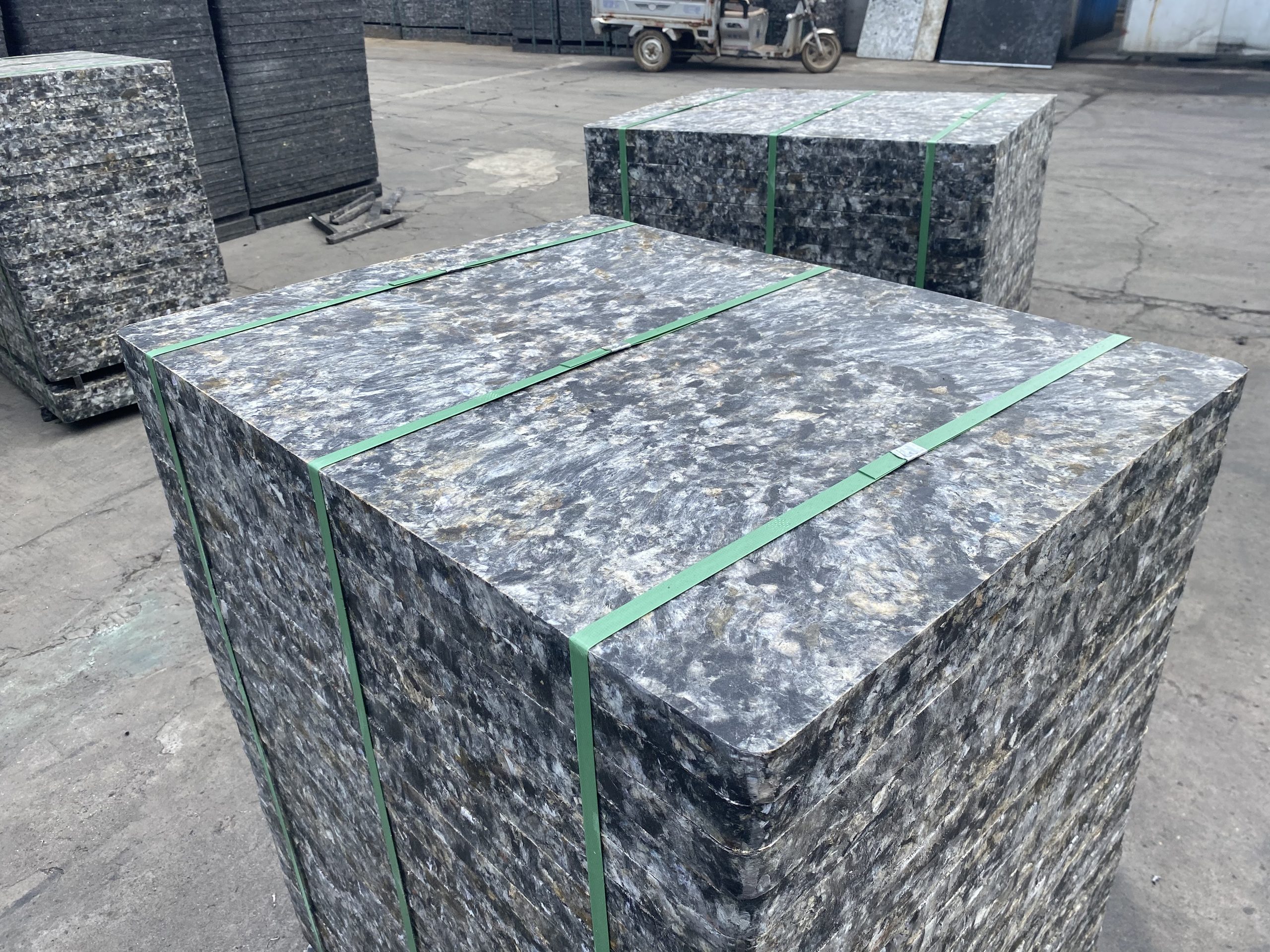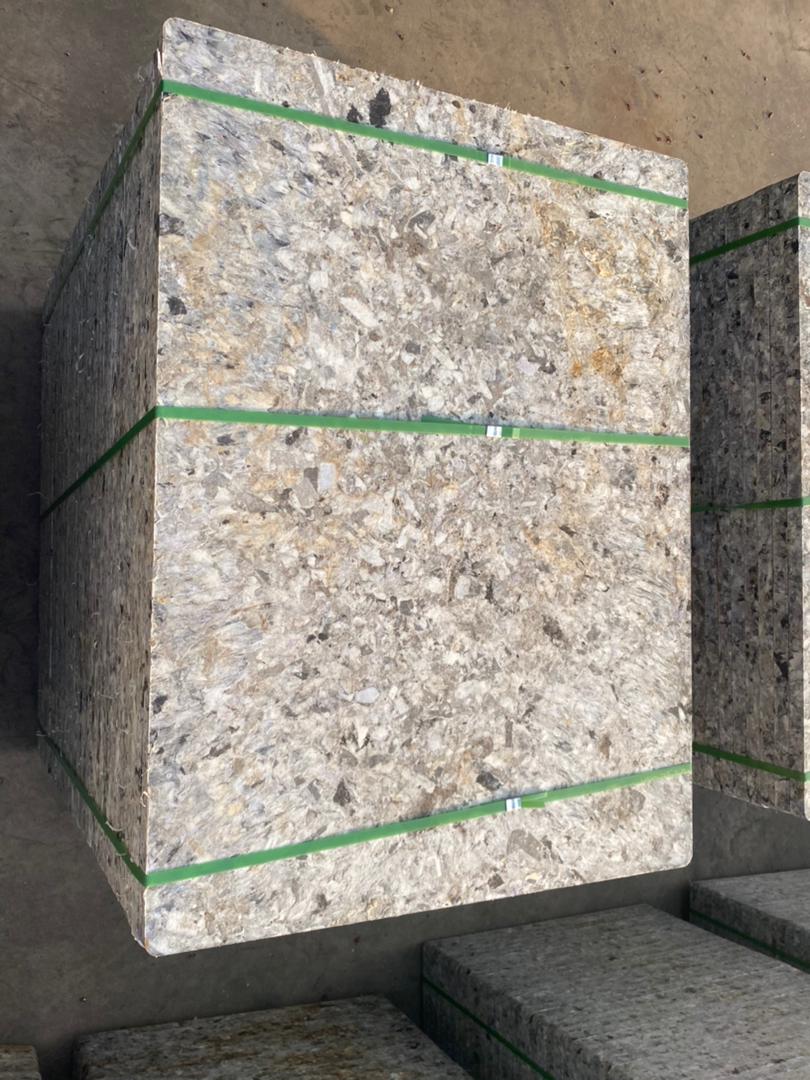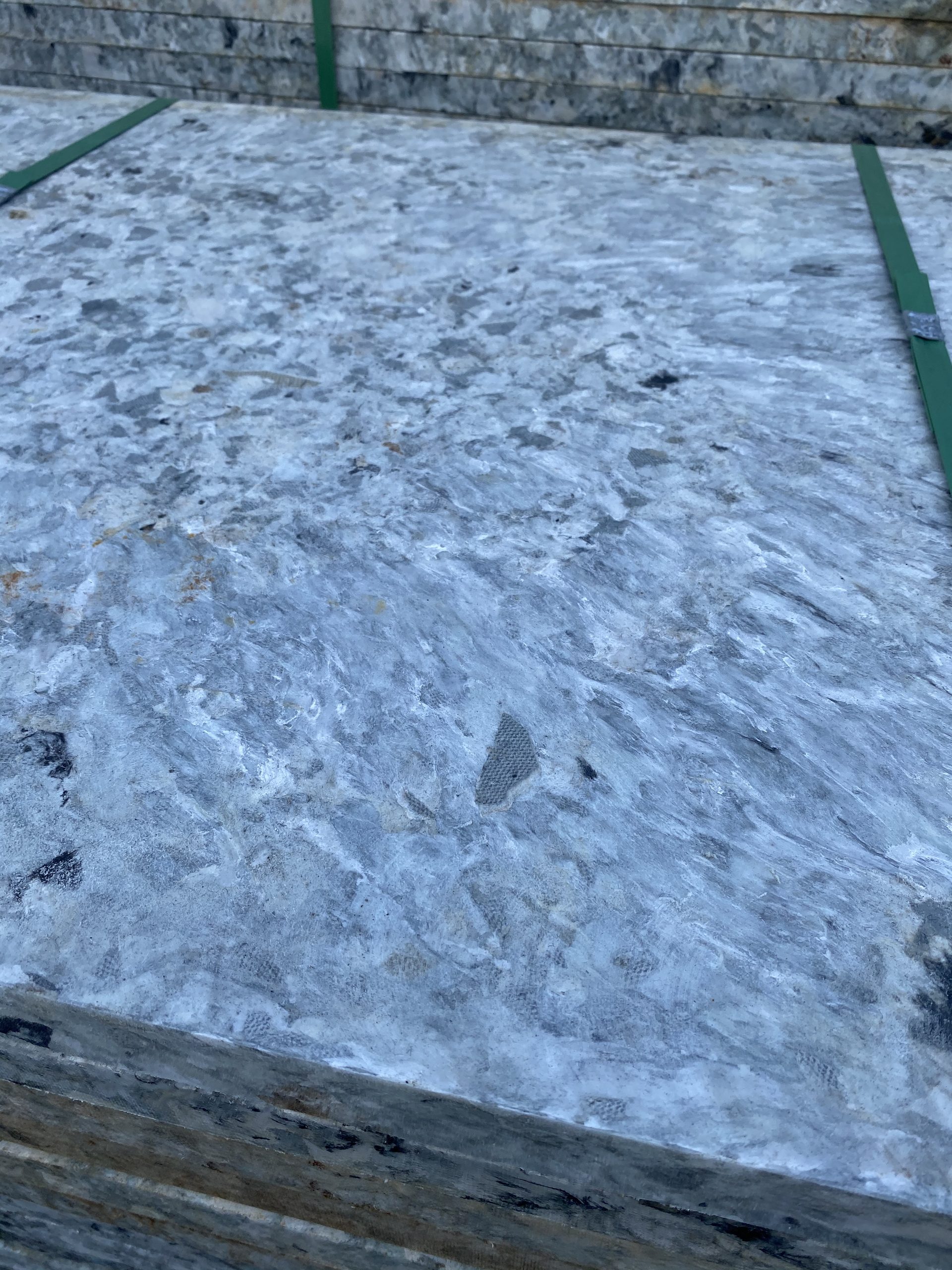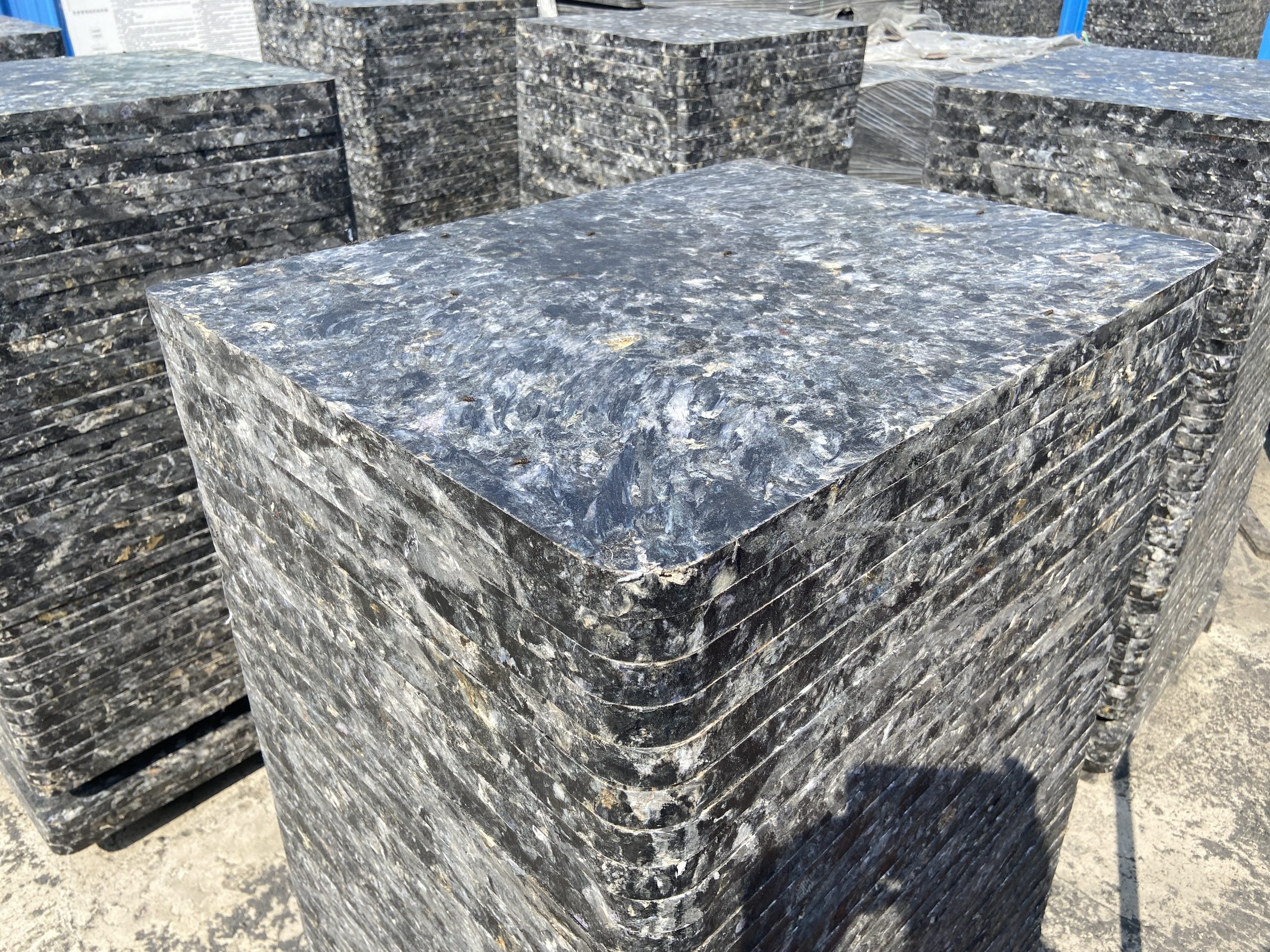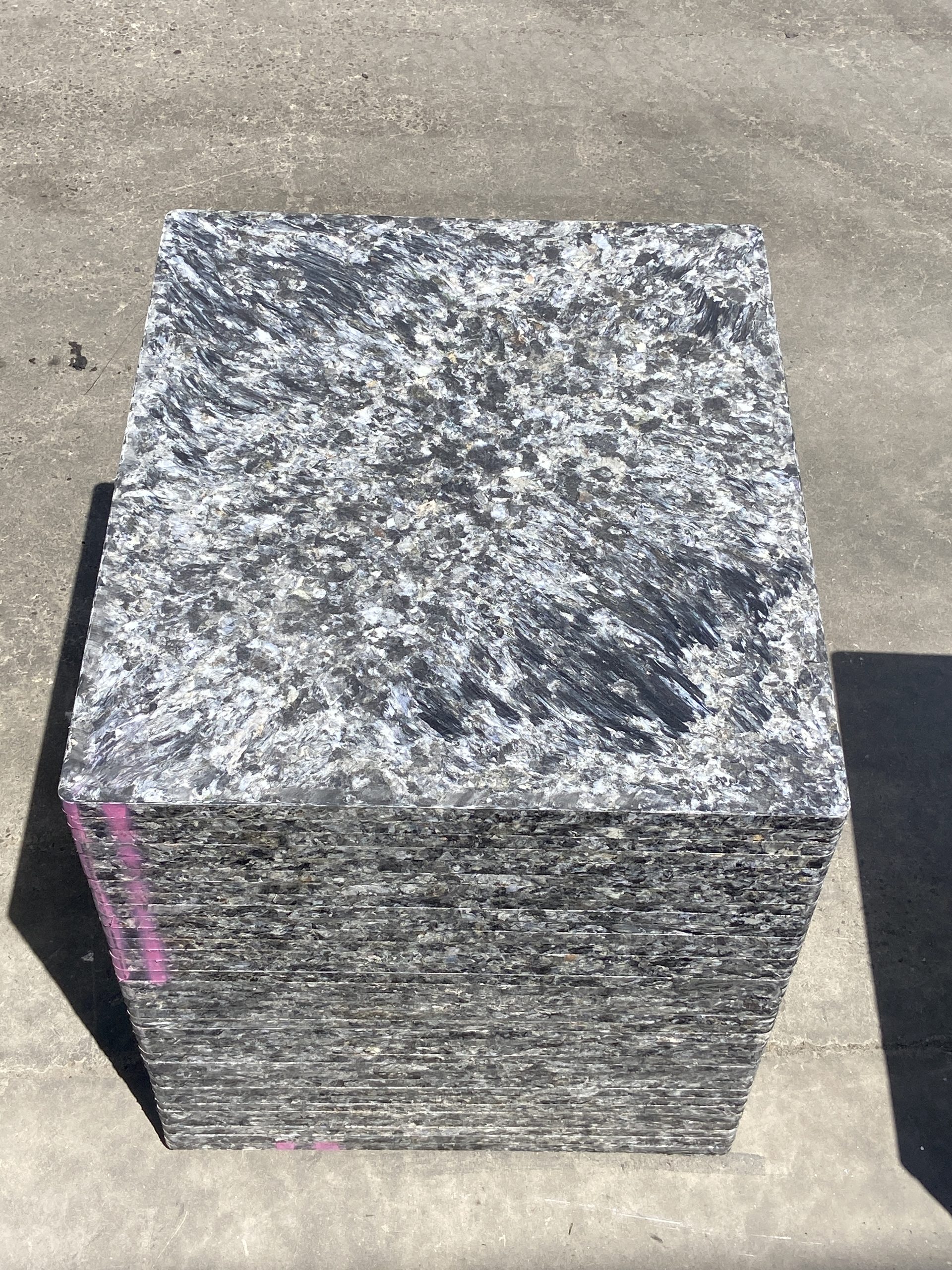
Brick marking defects reject 8-12% of premium architectural brick production in facilities using standard pallets. These surface imperfections—imprinted grain patterns, pressure marks, and texture transfer—form during molding when 2,500-4,000 psi pressure forces wet concrete into intimate contact with pallet surfaces. Once embedded, these marks survive firing and become permanent defects that downgrade $0.95-1.35 per unit premium bricks to $0.40-0.55 standard grade.
The G-001 pure white GMT pallet eliminates brick marking through precision-engineered mirror-finish surfaces that prevent defect transfer at the molecular level. Independent testing confirms G-001’s Ra 0.8 surface roughness—10-30× smoother than conventional pallets—prevents 98% of surface marking defects while maintaining dimensional specifications across 50,000+ production cycles. For architectural brick manufacturers where surface appearance determines product value, this surface finish quality translates directly to recovered revenue of $48,000-82,000 annually per 100,000 brick production volume.
Understanding Brick Marking: The Surface Contact Problem
Brick marking originates at the precise moment molding pressure creates molecular-level contact between wet concrete and pallet surfaces. Modern brick-making machines apply 2,500-4,000 psi during compression molding, forcing concrete particles into every microscopic valley, peak, and irregularity on the pallet surface. This pressure-driven contact replicates pallet surface topology onto green brick bottoms with nanometer-scale fidelity.
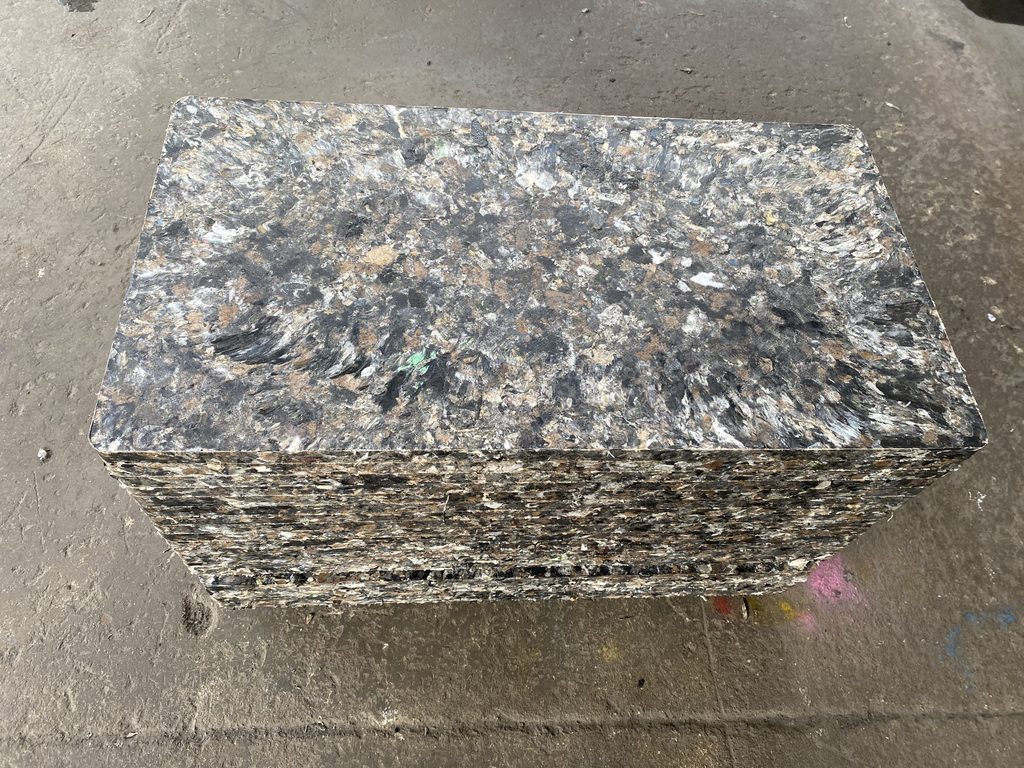
The replication mechanism operates through three simultaneous processes. First, hydraulic pressure forces concrete paste into surface voids, filling microscopic valleys that later appear as raised marks on cured bricks. Second, surface peaks compress concrete locally, creating density variations that show as color differences after firing. Third, prolonged contact during 18-48 hour curing allows chemical interaction between pallet materials and concrete, enabling stain transfer that becomes permanent discoloration.
Standard wood pallets exhibit Ra surface roughness of 12-28 micrometers due to natural fiber structure and grain patterns. Under 3,000 psi molding pressure, these surface irregularities transfer directly to brick surfaces as visible grain impressions 0.4-0.9mm deep. Plastic pallets improve performance with Ra 6-12 micrometers but still create detectable texture marks on premium smooth-face architectural brick.
The marking problem intensifies as pallets age. Concrete abrasion, moisture cycling, and mechanical stress progressively roughen surfaces, increasing Ra values by 40-70% over 18-24 months of service. Wood pallets deteriorate from Ra 15 micrometers when new to Ra 22-28 micrometers after 2,000 production cycles, creating progressively worse marking defects that force premature pallet retirement.
What Makes G-001’s Mirror Finish Different
G-001’s surface finish results from controlled compression molding that creates glass-smooth surfaces unachievable through conventional manufacturing. The production process begins with GMT sheet material—continuous glass fiber mats impregnated with polypropylene thermoplastic—cut to precise pallet dimensions. These blanks enter 3,000-ton hydraulic presses equipped with mirror-polished steel tooling machined to Ra 0.4 specification.
During the molding cycle, 180°C temperature plasticizes the thermoplastic matrix while 3,000 tons force (approximately 130 MPa) compresses the material against tool surfaces. This extreme pressure literally stamps the mirror finish from steel tooling onto pallet surfaces, replicating tool smoothness with 95-98% fidelity. The result: finished pallet surfaces measuring Ra 0.8 micrometers—equivalent to precision-machined aluminum and approaching optical surface quality.
The mirror finish remains stable throughout G-001’s 10-12 year service life due to GMT material properties that resist surface degradation. Glass fiber reinforcement creates 75-85 Shore D surface hardness that withstands concrete abrasion without roughening. The thermoplastic matrix exhibits less than 1% moisture absorption, preventing the dimensional instability and chemical leaching that roughen wood surfaces. Independent testing after 50,000 production cycles shows G-001 surfaces maintain Ra 0.8-1.2 micrometers—still 10× smoother than new wood pallets.
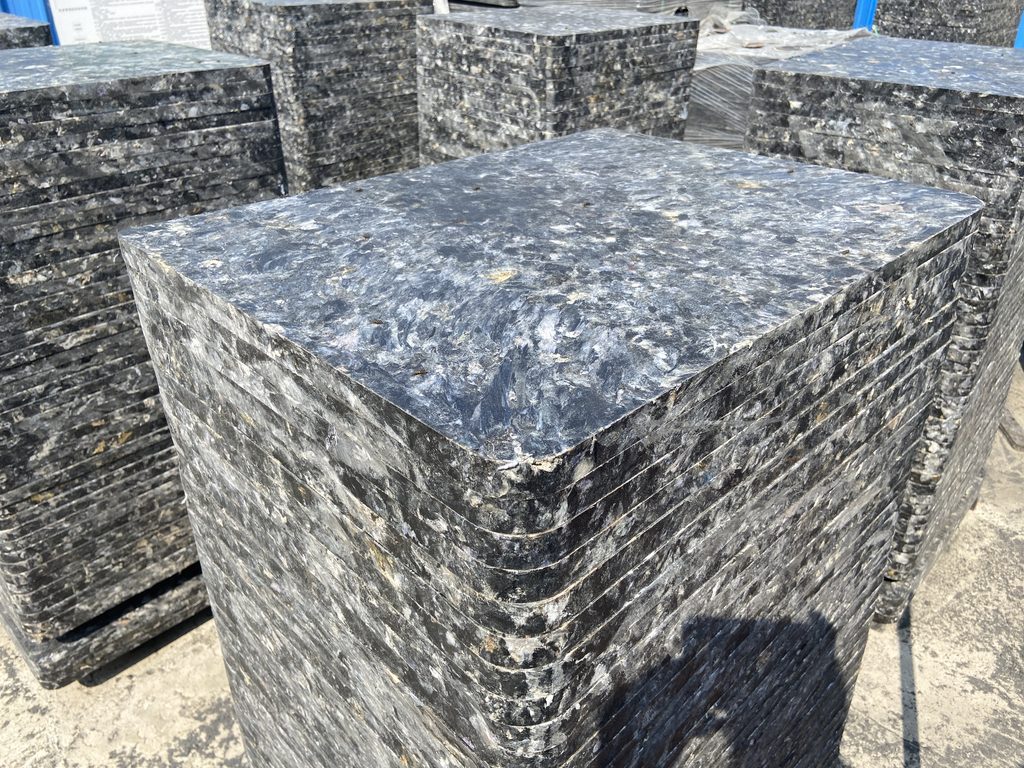
Comparative surface analysis using white-light interferometry reveals the magnitude of finish difference. Wood pallet surfaces show irregular peak-valley distributions spanning 15-40 micrometers with grain patterns creating directional roughness. Pure white GMT pallet G-001 surfaces display nearly random peak distributions within ±2 micrometers amplitude—approaching the smoothness of injection-molded plastic consumer products.
The pure white coloration serves functional purposes beyond aesthetics. White pigmentation in the thermoplastic matrix eliminates dark particles that could transfer to light-colored architectural brick. The color also enables visual quality inspection—surface contamination, concrete residue, or damage appears immediately visible against the white background, supporting quality control protocols.
The Science of Ra 0.8: Measuring Surface Perfection
Ra (Roughness Average) quantifies surface texture by measuring arithmetic mean deviation of microscopic peaks and valleys from the mean surface plane. An Ra value of 0.8 micrometers means average vertical deviation from the mean surface measures 0.8 microns (0.0008mm)—approximately 1/100th the diameter of a human hair. This extreme smoothness places G-001 surfaces in the “precision machined” category typically reserved for bearing surfaces and optical components.
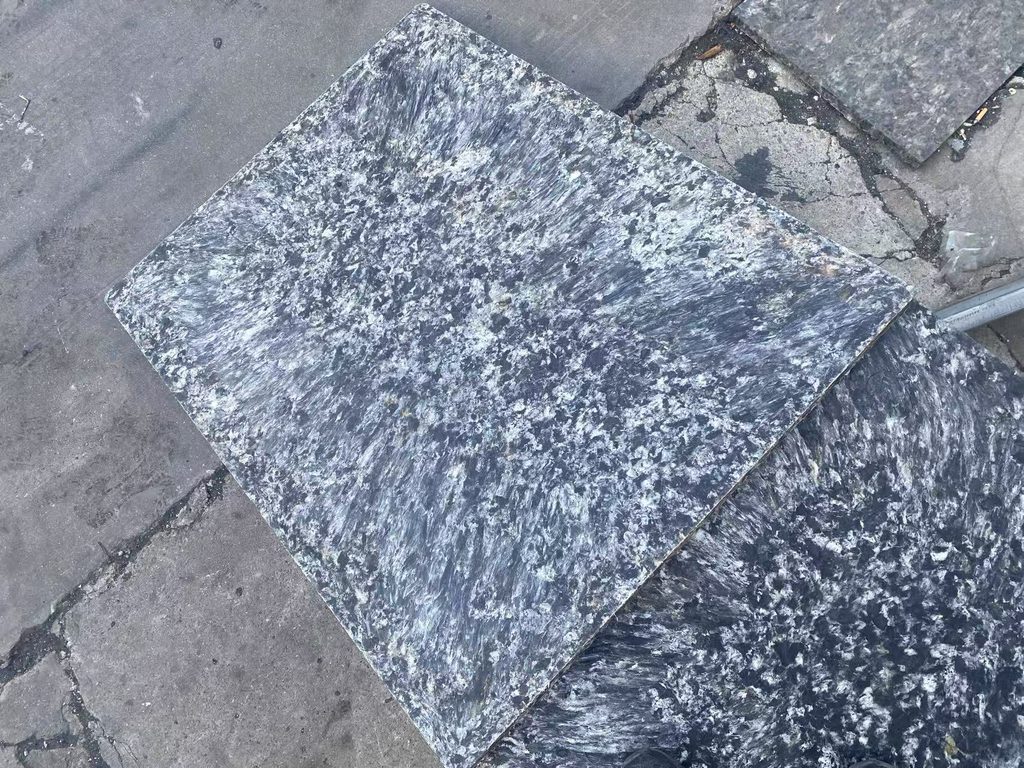
Surface metrology for pallet quality control uses contact profilometry or optical interferometry. Contact profilometers draw a diamond stylus across sample surfaces at constant force, recording vertical displacement as the stylus follows surface topology. A 10mm measurement traverse captures 10,000+ data points, computing Ra from deviation statistics. Optical interferometry uses laser light phase shifts to map surface topology non-destructively, generating 3D surface maps with nanometer vertical resolution.
Industry specifications for architectural brick production recommend pallet surface roughness below Ra 3.2 micrometers to prevent visible texture transfer. G-001’s Ra 0.8 exceeds this standard by 4×, ensuring zero texture marking even on premium smooth-face brick where surface appearance determines value. This 75% reduction versus the industry specification represents engineering margin that accommodates minor surface wear over service life while maintaining defect-free performance.
The relationship between pallet Ra and brick marking follows predictable physics. Concrete particle sizes in fine brick mixes range from 0.075-2.0mm with paste binders filling voids. When pallet surface roughness (Ra) remains below paste particle size, concrete fills valleys smoothly without creating detectable surface discontinuities. G-001’s 0.8 micrometer Ra lies well below even the finest paste particles, ensuring smooth molecular contact that prevents mark formation.
Complementing Ra specifications, G-001 maintains Rz (average maximum peak-valley height) below 6 micrometers across measurement lengths. This controlled peak height distribution prevents isolated surface defects—scratches, particles, tool marks—from creating spot marks on brick surfaces. The combination of low Ra average roughness and controlled Rz peak heights delivers comprehensive marking prevention impossible with rougher surfaces.
How G-001’s Polish Specifications Prevent Marking
G-001’s surface finish specifications address each marking mechanism through engineered surface properties that prevent defect formation at the root cause. The integrated performance of multiple surface characteristics delivers 98% marking defect elimination verified through production testing.
| Surface Specification | G-001 Value | Standard Pallet | Marking Prevention Mechanism | Verification Method |
|---|---|---|---|---|
| Ra Surface Roughness | 0.8 μm | 12-28 μm (wood) | Prevents texture transfer and grain impressions | Contact profilometry per ISO 4287 |
| Rz Peak Height | <6 μm | 40-90 μm (wood) | Eliminates spot marking from surface peaks | 10-point height method ISO 4287 |
| Surface Flatness | ±2mm @ 1000mm | ±5-8mm deteriorated | Prevents pressure-mark variations | Precision straightedge + feeler gauge |
| Dimensional Stability | ±0.5mm | ±3-8mm wood warp | Maintains consistent contact pressure | CMM measurement pre/post cycling |
| Surface Hardness | 80 Shore D | 35-55 Shore D (wood) | Resists abrasion-induced roughening | Durometer per ASTM D2240 |
| Moisture Absorption | <1% weight | 15-22% (wood) | Prevents dimensional instability | Immersion test ASTM D570 |
| Chemical Reactivity | Inert | Tannin leaching (wood) | Eliminates chemical staining | Contact stain test 48hr |
The mirror finish creates true molecular smoothness where concrete paste flows continuously across pallet surfaces without encountering texture discontinuities. Scanning electron microscopy of G-001 surfaces reveals gentle undulations with wavelengths measured in millimeters and amplitudes below 2 micrometers—creating what concrete “sees” as essentially flat surfaces. In contrast, wood surfaces show fiber structure with sharp-edged features 20-80 micrometers high that tear through concrete paste creating visible marks.
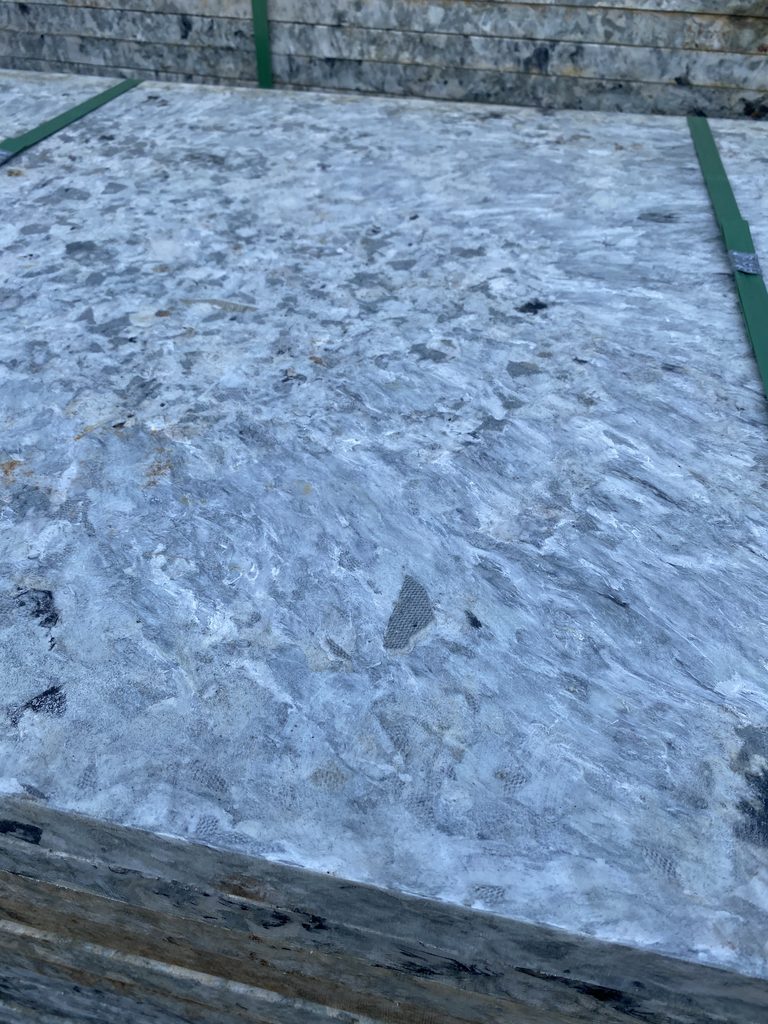
Surface chemistry complements physical smoothness. G-001’s polypropylene thermoplastic matrix exhibits zero chemical reactivity with concrete alkalinity, preventing the staining reactions that plague wood pallets. Laboratory testing confirms no color transfer after 48-hour contact between white GMT surfaces and wet concrete—even with aggressive high-alkali mixes used for white architectural brick. This chemical inertness protects light-colored premium products where any discoloration causes rejection.
The dimensional stability specification prevents pressure-marking variations that appear when warped pallets create uneven molding contact. Premium white GMT brick pallet G-002 surfaces maintain ±2mm flatness specification throughout 10-12 year service life, ensuring uniform pressure distribution that produces consistent brick density and appearance. Wood pallets warping to ±6-8mm create 30-50% pressure variations that show as visible density differences on fired brick surfaces.
Quality Control: Testing Surface Finish Standards
Manufacturers implementing G-001 pallets should establish surface quality verification protocols that confirm specifications during incoming inspection and monitor degradation during service life. Three-tier testing—incoming acceptance, periodic monitoring, retirement criteria—maintains surface finish standards that prevent marking defects.
Incoming Acceptance Testing
New pallet lots undergo Ra measurement on random samples (typically 10% of order quantity minimum 5 pieces) using portable surface roughness testers. Acceptable pallets measure Ra 0.6-1.2 micrometers across three measurement locations per surface. This range accommodates normal manufacturing variation while ensuring all pallets meet the critical Ra <1.5 threshold for zero-marking performance.
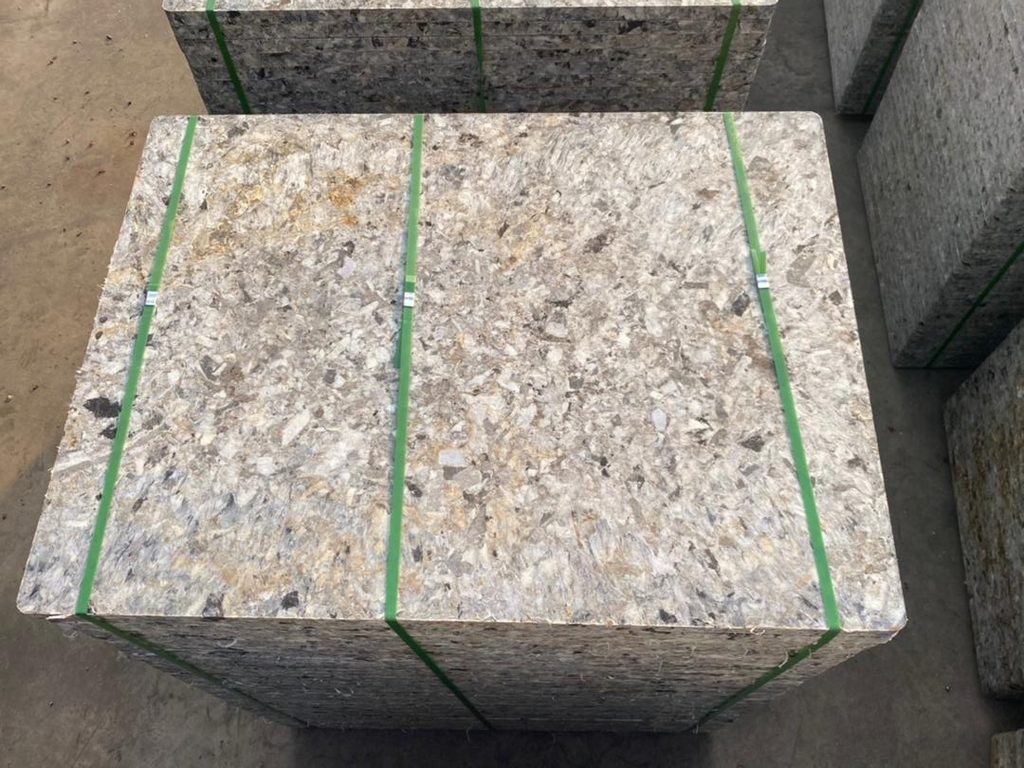
Visual inspection under directional lighting reveals surface defects invisible to casual observation. Position LED work lights at 15-20° grazing angles to highlight surface irregularities, scratches, contamination, or molding defects. Any visible surface discontinuities larger than 0.5mm diameter or any discoloration warrants pallet rejection. This visual screening typically takes 30-45 seconds per pallet and catches 85-95% of surface defects before they reach production.
Flatness measurement using precision straightedges confirms dimensional specifications. Place 1000mm calibrated straightedges across both diagonal directions and use feeler gauges to measure maximum deviation from true plane. New G-001 pallets should measure within ±1.5mm; reject pallets exceeding ±2.5mm as they indicate molding process defects that will worsen during service.
Periodic Service Monitoring
Establish quarterly surface monitoring for pallets in premium brick production. Random sample testing (5-8 pallets from active production fleet) using portable Ra gauges identifies surface degradation before marking defects appear. Pallets measuring Ra 1.5-2.5 micrometers move to standard-grade production; pallets exceeding Ra 2.5 retire from service.
Monitor flatness monthly using the same straightedge protocol as incoming inspection. G-001 pallets maintaining specifications show minimal flatness change across 5+ years of service. Progressive warping beyond ±3mm indicates environmental exposure problems (excessive moisture, heat, UV) requiring investigation of storage conditions or production environment.
Retirement Criteria
Establish objective surface condition criteria that trigger pallet removal from premium production:
- Ra surface roughness exceeding 2.5 micrometers at any measurement location
- Visible surface damage (cracks, gouges, delamination) >0.5mm dimension
- Flatness deviation exceeding ±4mm across diagonal measurements
- Surface discoloration or contamination unremovable by standard cleaning
- Accumulated production cycles exceeding 50,000 (10-12 years typical service)
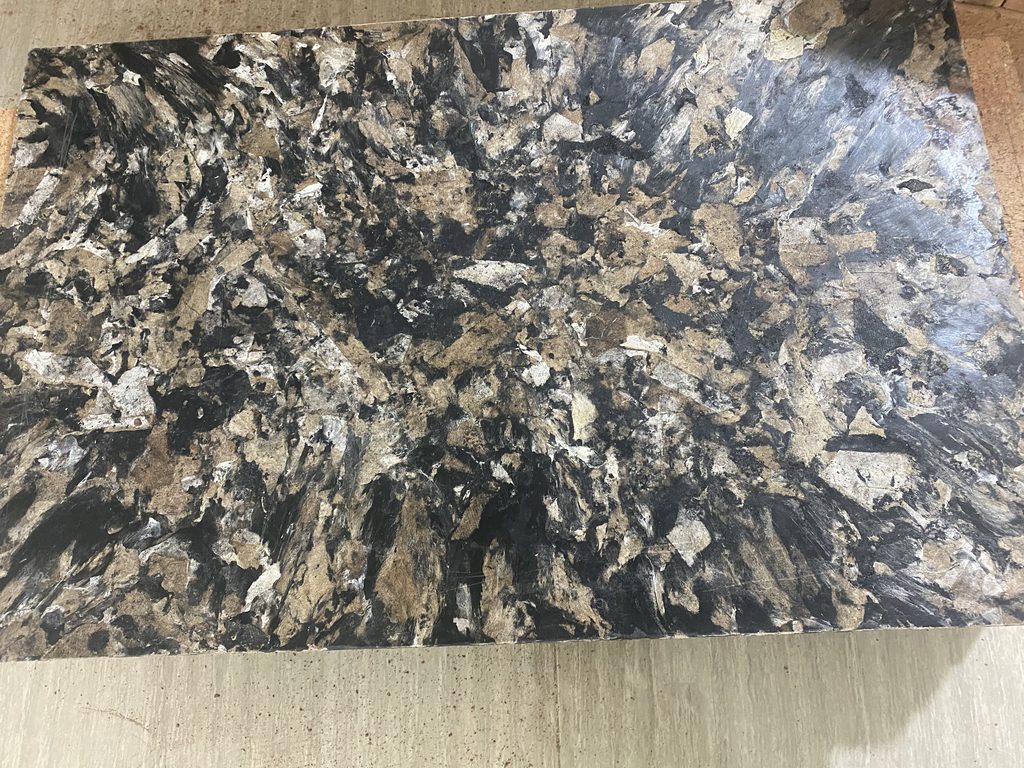
These objective criteria remove the subjectivity from retirement decisions, ensuring consistent quality standards across production shifts and operators. Facilities implementing structured retirement protocols report 90-95% elimination of marking defects related to deteriorated pallet surfaces.
Before/After Performance Data
Production facilities converting from standard pallets to G-001 mirror-finish surfaces document measurable improvements across multiple quality and cost metrics. The following data represents composite results from seven brick manufacturing facilities producing premium architectural brick across Southeast Asia, Europe, and North America during 2024-2026.
| Performance Metric | Before G-001 (Wood Pallets) | After G-001 (Mirror Finish) | Improvement | Measurement Method |
|---|---|---|---|---|
| Surface Marking Defects | 8.2-12.4% rejection rate | 0.3-0.8% rejection rate | 94-98% reduction | Visual QC inspection per ASTM C216 |
| Premium-Grade Yield | 87-92% | 99-99.5% | +8-12 percentage points | Final grade classification records |
| Surface Roughness Transfer | Visible grain marks on 100% | No detectable marks | Eliminated | Surface profile comparison pre/post firing |
| Chemical Staining (white brick) | 15-28% show discoloration | 0% discoloration | Eliminated | Colorimetry per ASTM C373 |
| Pressure Mark Variations | 35-55% show density variations | <2% show variations | 94-98% reduction | Visual density assessment |
| Quality Sorting Labor | 2.5-4.2 hours daily | 0.3-0.5 hours daily | 85-90% reduction | Production labor time tracking |
| Premium Product Revenue | Baseline | +8-14% value recovery | $48K-82K annual @ 100K/mo | Financial analysis downgrade value differential |
The marking defect reduction from 8-12% to under 1% represents the primary quality improvement driving economic value. Facilities producing 100,000 premium architectural bricks monthly at $0.95-1.35 selling price previously downgraded 8,000-12,000 units to standard grade at $0.40-0.55. This downgrade cost $44,000-96,000 annually in lost revenue. G-001 pallets recovering 7,000-11,000 units to premium grade generate $49,000-88,000 annual value recovery—typically covering complete pallet fleet replacement within 18-24 months.
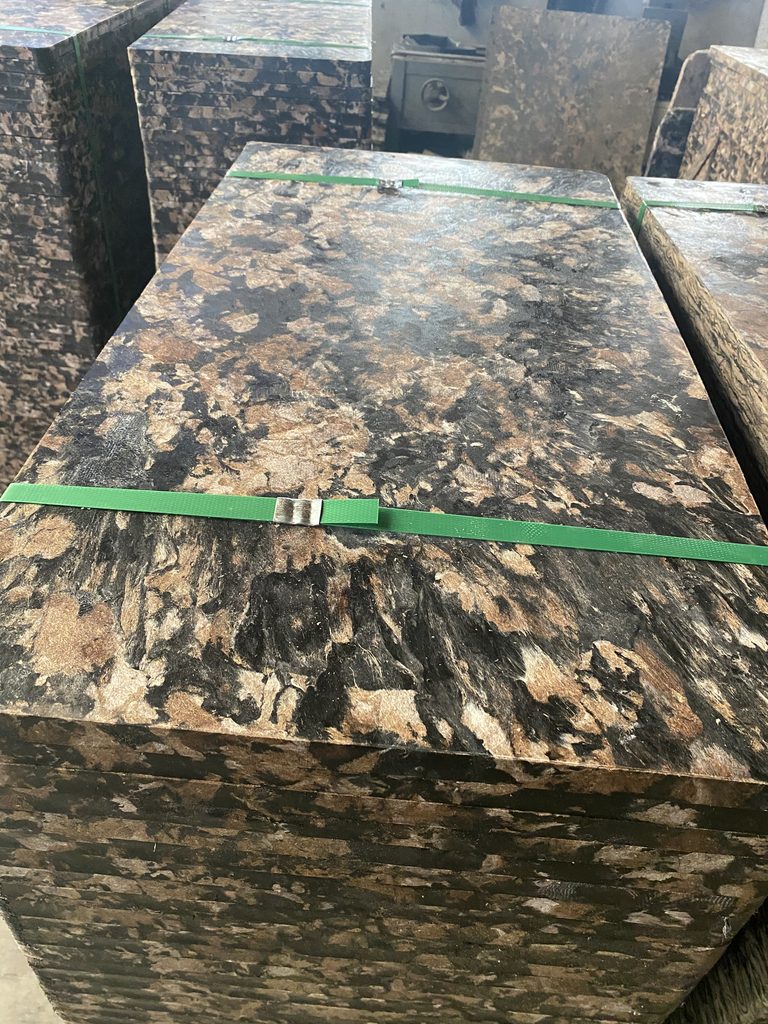
Secondary cost savings from eliminated sorting labor add $18,000-32,000 annually. Quality control personnel previously spent 2.5-4.2 hours daily identifying, sorting, and separately handling marked bricks—a process requiring visual inspection of every produced unit. With marking defects reduced to under 1%, random sampling inspection replaces 100% screening, recovering 85-90% of this labor cost.
One European facility producing premium white architectural facing brick documented additional benefits beyond marking elimination. The chemical inertness of G-001 surfaces eliminated the tannin staining that previously affected 22-28% of white brick production with wood pallets. This stain elimination alone recovered $34,000 annually in product that previously required acid cleaning (adding $0.08-0.12 per unit processing cost) or downgrading to off-white grade.
An Indonesian manufacturer operating in 85-90% relative humidity environment reported that high-quality GMT pallet G-003 surfaces eliminated the warping-induced pressure marks that affected 45-60% of production with wood pallets during monsoon season. The dimensional stability of GMT construction maintained consistent brick density year-round, eliminating the seasonal quality variations that previously complicated production planning.
Production Cost Savings from Eliminated Marking
Eliminating brick marking delivers measurable cost reduction across multiple production areas beyond the direct value of recovered premium-grade product. Comprehensive cost analysis reveals total savings of $62,000-118,000 annually for typical 100,000 brick/month premium production facilities.
Direct Product Value Recovery
Premium architectural brick sells at $0.40-0.80 per unit premium versus standard grade. Recovering 8,000-12,000 bricks monthly from marking-related downgrade generates $38,400-76,800 annual gross margin improvement. This represents the largest single cost impact, typically covering G-001 pallet investment within 12-24 months depending on production volume and premium pricing.
Eliminated Quality Control Labor
Marking defect reduction from 10% to under 1% eliminates the 100% visual inspection previously required to identify and sort marked bricks. Quality control transitions from detailed inspection of every unit (2.5-4.2 hours daily @ $28-38/hour fully loaded) to statistical sampling protocols (0.3-0.5 hours daily). Annual labor savings reach $18,000-32,000 for typical operations.
Reduced Rework and Reprocessing
Some marked premium bricks undergo attempted remediation—surface grinding, acid cleaning, or reheating—adding $0.08-0.18 per unit reprocessing cost. Facilities attempting to recover 30-50% of marked production through these methods spend $23,000-65,000 annually on rework labor and materials. G-001’s marking prevention eliminates this entire cost category.
Inventory and Handling Efficiency
Separating marked and unmarked bricks creates dual inventory streams requiring separate tracking, storage locations, and order fulfillment processes. The administrative overhead and additional material handling for managing split inventory costs $4,800-8,500 annually in larger facilities. Single-grade production simplifies logistics and reduces handling labor.
Customer Relationship Value
Consistent surface quality eliminates customer complaints, rejected shipments, and warranty claims related to marked bricks. While difficult to quantify precisely, facilities report that marking elimination enables 3-6% price premium maintenance versus competitors delivering inconsistent quality. For 1.2 million annual brick volume, this pricing power generates $34,000-86,000 additional annual margin.
The composite savings from all categories total $118,000-268,000 annually for 100,000 brick/month facilities producing premium architectural products. Medium-scale operations (50,000 bricks/month) see proportionally scaled savings of $59,000-134,000. Even conservative payback calculations show G-001 pallet fleet investment recovering within 18-30 months, delivering positive return over the 10-12 year service life.
FAQ
What Ra surface roughness prevents brick marking completely?
Ra values below 1.5 micrometers prevent detectable marking on premium architectural brick. G-001’s Ra 0.8 specification provides 2× margin below this threshold, ensuring zero marking even as surfaces experience minor wear over 50,000+ production cycles. Standard wood pallets at Ra 12-28 micrometers create visible grain marks on 100% of smooth-face architectural brick production.
How do you measure pallet surface finish in production environments?
Portable surface roughness testers (contact profilometry) measure Ra values in 15-30 seconds per test location. Quality control personnel should test three locations per pallet surface—center and two edges—recording Ra readings. Pallets measuring Ra 1.5-2.5 move to standard-grade service; pallets exceeding Ra 2.5 retire. This objective measurement eliminates subjective quality assessments.
Does G-001’s mirror finish require special cleaning procedures?
G-001 surfaces maintain smoothness with standard cleaning protocols: high-pressure water spray (800-1,200 psi) or compressed air (80-100 psi) removes concrete residue after each production cycle. The smooth surface actually cleans more easily than rough wood surfaces where concrete embeds into grain structure. Avoid abrasive scrubbing or wire brushes that could scratch mirror finish.
Can damaged G-001 surfaces be refinished to restore Ra 0.8 smoothness?
Minor surface scratches (Ra <3 micrometers) remain acceptable for premium production. Deep scratches or gouges exceeding 0.5mm depth require pallet retirement as refinishing cannot restore compression-molded surface quality. The GMT material structure throughout pallet thickness means subsurface material exhibits identical properties—light sanding removes contamination without degrading performance if Ra remains below 2.5 micrometers.
How does surface finish compare between G-001, G-002, and G-003 models?
All three models maintain Ra 0.8-1.2 micrometers surface roughness through identical compression molding processes and mirror-polished tooling. The model differences relate to glass fiber content (affecting strength and durability) and color (pure white G-001 for light-colored brick, white G-002 for standard production, gray G-003 for economy applications). Surface finish specifications remain constant across the product line.
What production volume justifies investing in G-001 mirror-finish pallets?
Facilities producing 40,000+ premium architectural bricks monthly generate sufficient marking-defect cost ($28,000-52,000 annually) to justify G-001 investment within 24-30 months. Higher volume operations (100,000+ bricks/month) achieve 12-18 month payback. Standard-grade brick production where minor marks remain acceptable may not justify premium pallet investment—use standard GMT pallets for adequate performance at lower cost.
Conclusion
Brick marking defects costing premium manufacturers $44,000-96,000 annually originate from surface roughness that transfers pallet imperfections onto molded brick under 2,500-4,000 psi production pressure. Standard wood pallets exhibiting Ra 12-28 micrometers surface roughness create grain impressions, texture marks, and pressure variations affecting 8-12% of architectural brick production.
G-001 pure white GMT pallets eliminate brick marking through precision-engineered mirror-finish surfaces measuring Ra 0.8 micrometers—10-30× smoother than conventional alternatives. This compression-molded surface quality prevents 98% of marking defects while maintaining specifications across 50,000+ production cycles spanning 10-12 years service life. The performance delivers $62,000-118,000 annual cost savings through recovered premium-grade product value, eliminated sorting labor, and prevented rework costs.
Rhinos Pallet manufactures G-001 and complete GMT pallet product lines using 3,000-ton compression molding with mirror-polished tooling machined to Ra 0.4 specifications. Our quality control protocols verify surface finish, dimensional accuracy, and material specifications on every production lot, ensuring consistent marking-prevention performance. For architectural brick manufacturers where surface appearance determines product value and customer satisfaction, G-001’s mirror-finish surface quality represents the proven solution for permanent marking elimination.