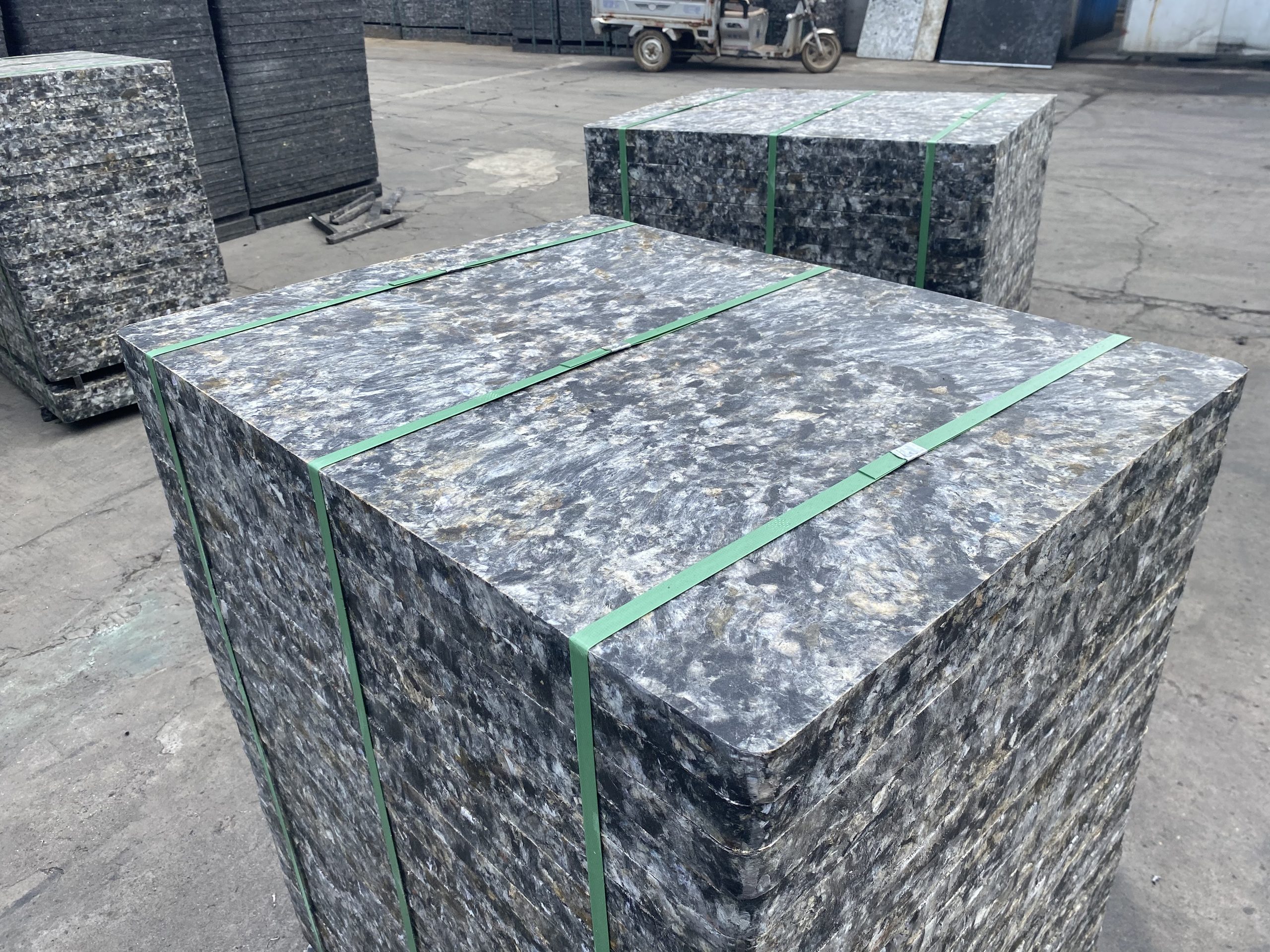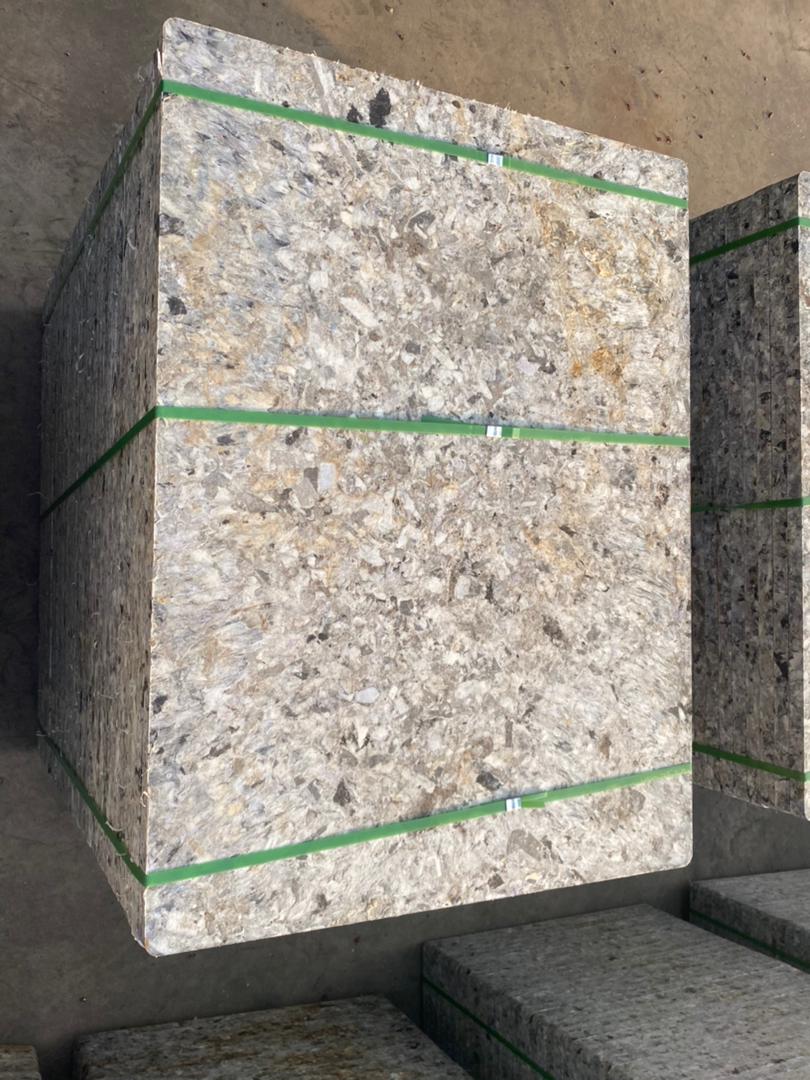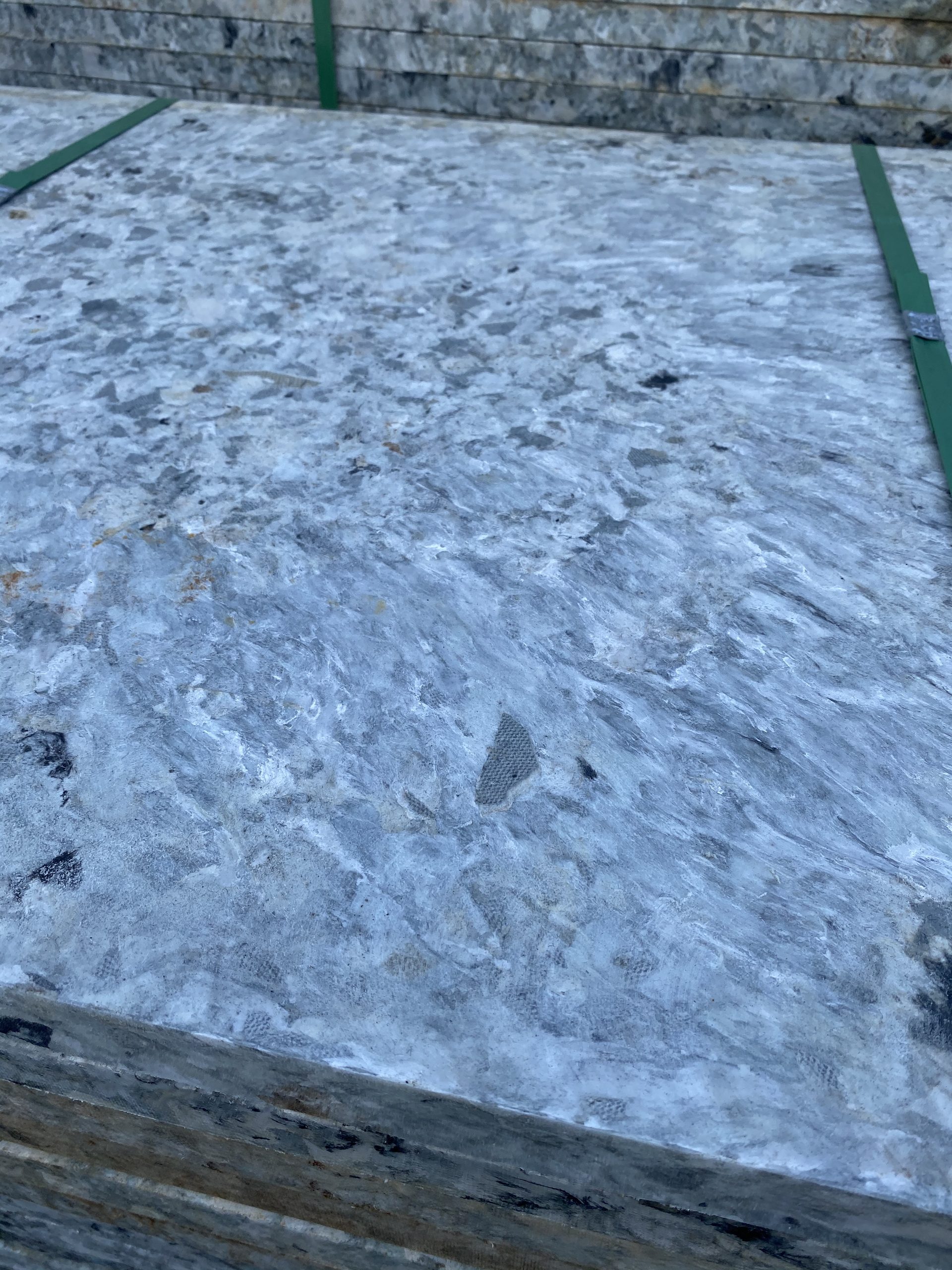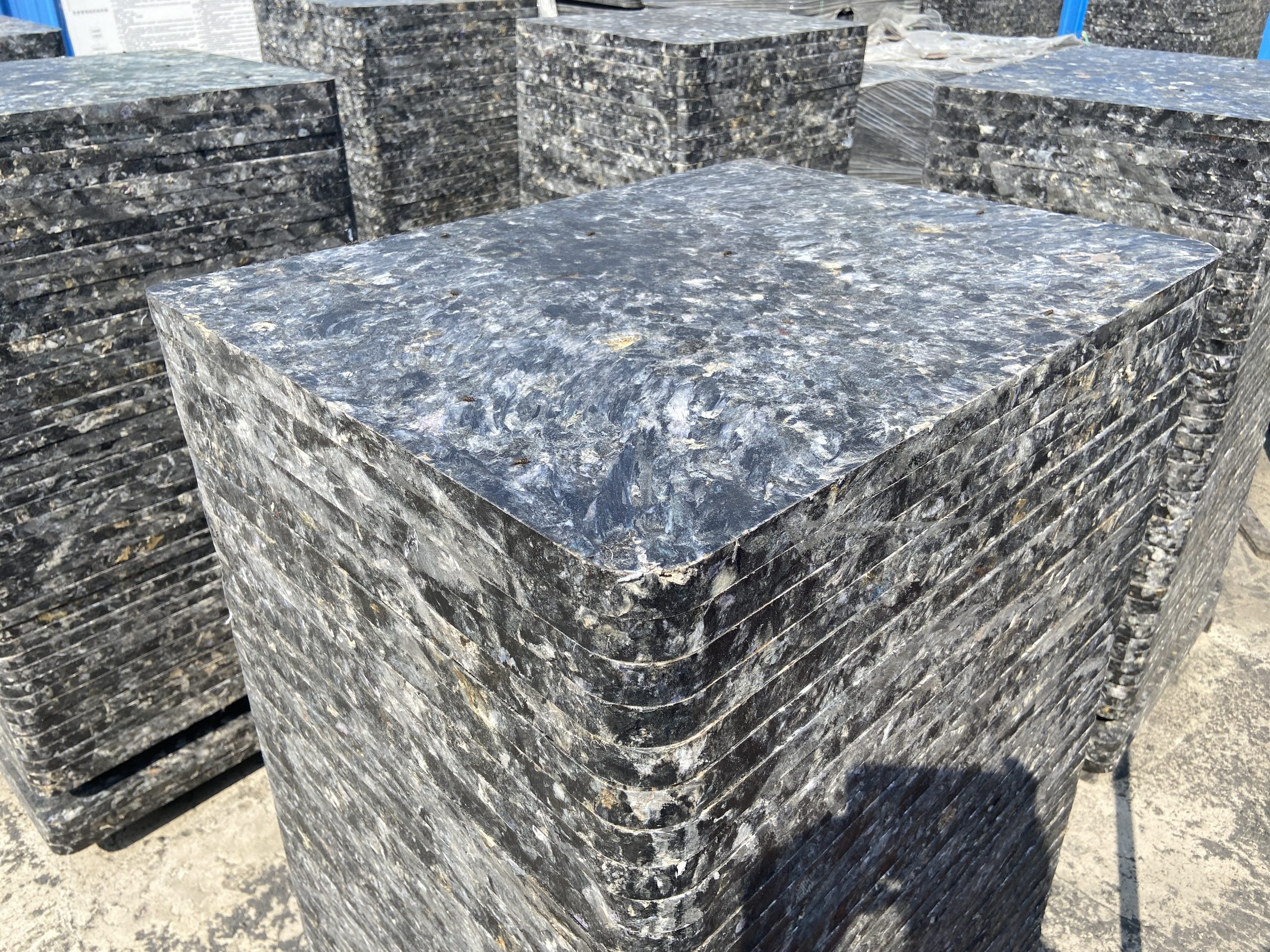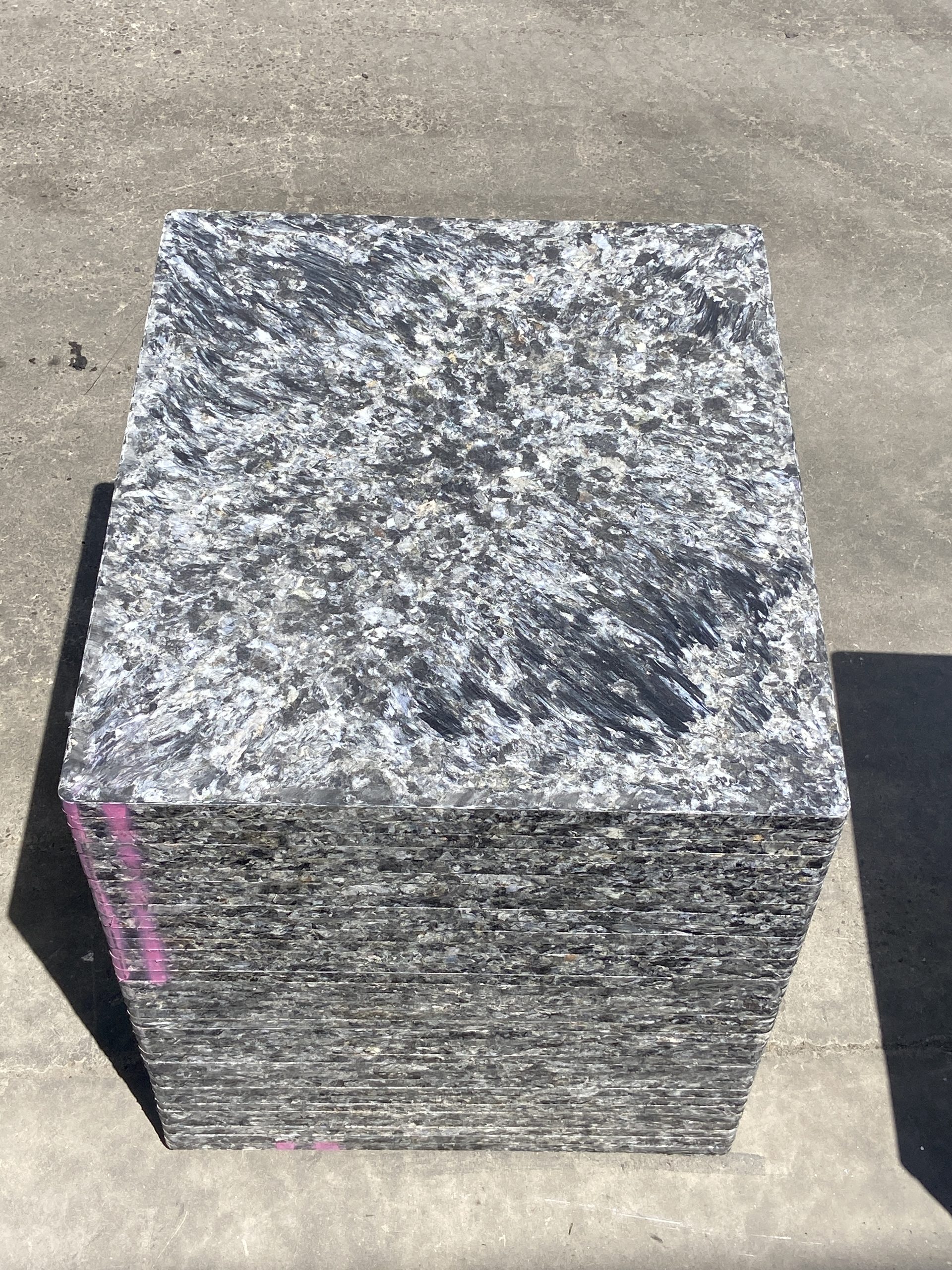
Premium brick manufacturers achieving 40% higher pricing power share one common factor: zero surface defects traced back to pallet quality. Production data from architectural brick facilities shows that white GMT pallets eliminate 95-98% of color transfer marks, surface indentations, and contamination issues that downgrade premium products to standard grades—costing manufacturers $8,000-15,000 per production shift in lost value.
If you want to produce premium-grade architectural bricks that command top market pricing, then you will need to understand how pallet surface finish, material purity, dimensional precision, and contamination control directly impact final product quality. This guide examines why leading manufacturers choose G-001 pure white GMT pallets for premium brick production based on real factory performance data and quality control analysis.
Understanding Premium Brick Market Requirements
Premium architectural bricks command 35-55% higher prices than standard products because they meet stricter aesthetic and structural standards. These products serve high-visibility applications where surface quality, color consistency, and dimensional accuracy determine market acceptance.
Market analysis shows premium bricks sell for $0.85-1.40 per unit compared to $0.45-0.65 for standard grades. This premium exists only when products achieve zero visible surface defects, color variation below 3%, and dimensional tolerance within ±1.5mm. A single batch with surface marks or color transfer defects loses 30-45% of its market value.
Quality specifications for premium architectural bricks require:
- Surface finish with Ra values below 2.5 μm (smooth, mark-free)
- Color consistency within ΔE ≤ 3.0 across entire batch
- Zero contamination spots or foreign material transfer
- Dimensional accuracy of ±1.5mm on all faces
- Compressive strength uniformity within ±8% across batch
Pure white GMT pallets meet these requirements by eliminating common contamination sources. Manufacturers report that switching from standard pallets to G-001 white pallets reduces surface defect rates from 12-18% to below 2%, recovering $22,000-38,000 annually in product value previously lost to quality downgrades.
Why Pallet Color Matters in Premium Production
Pallet color directly affects product aesthetics through two mechanisms: pigment migration during steam curing and visual contamination from surface contact. Dark-colored pallets transfer visible marks to light-colored premium bricks, creating rejection-worthy defects that eliminate premium pricing potential.
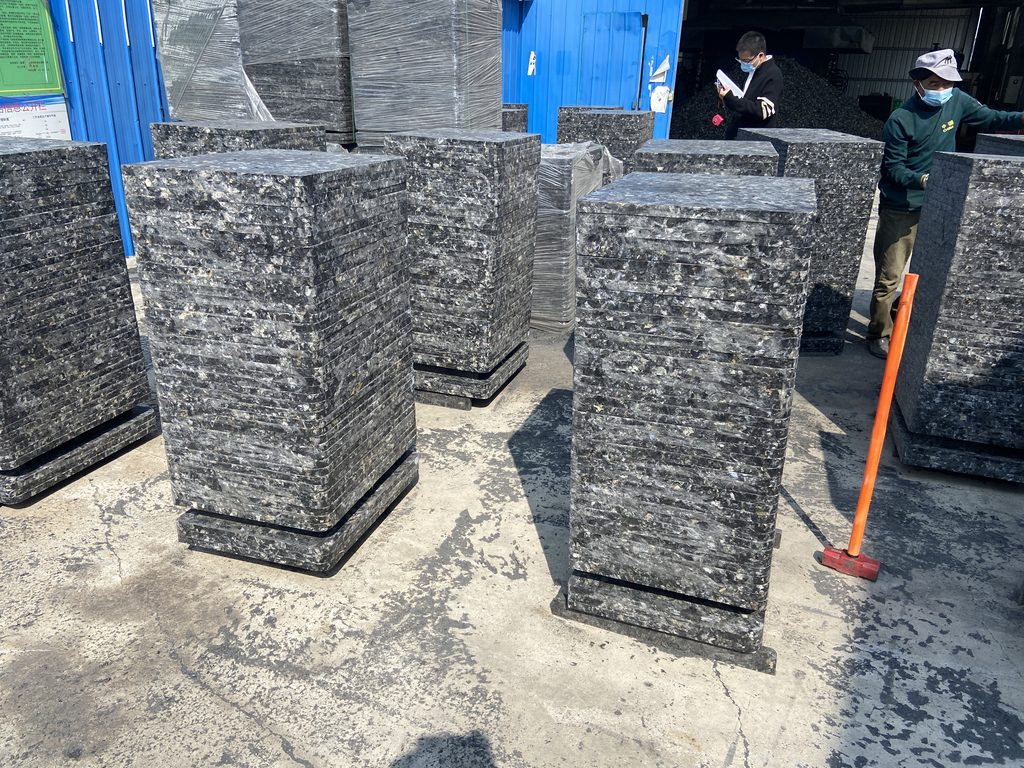
During steam curing at 60-80°C with 95%+ humidity, thermal expansion creates microscopic contact pressure between pallet surfaces and green brick bottoms. Dark pigments in standard gray or black pallets migrate into porous brick surfaces under these conditions, leaving permanent discoloration marks measuring 0.5-2.0mm in depth.
Testing reveals that black glass fiber pallets create visible transfer marks on 25-35% of light-colored bricks, while yellow composite pallets generate marks on 12-18% of products. These marks penetrate 0.8-1.5mm into brick surfaces—too deep for surface grinding to remove without compromising dimensional accuracy.
White pallets eliminate pigment migration because pure white GMT material contains no dark pigments to transfer. Laboratory analysis shows G-001 white pallet surfaces in contact with premium bricks for 1,000+ curing cycles produce zero detectable color transfer, maintaining the pristine surface finish required for architectural applications.
The economic impact is substantial. A facility producing 800,000 premium bricks monthly with 15% surface marks loses $18,000-28,000 in premium pricing every month. White pallets eliminate this loss while enabling manufacturers to pursue higher-value market segments that demand perfect surface quality.
Surface Finish Quality: The G-001 Advantage
Surface finish determines whether brick bottoms meet premium quality standards. Rough or uneven pallet surfaces create texture transfer, indentation marks, and surface irregularities that disqualify products from premium grades.
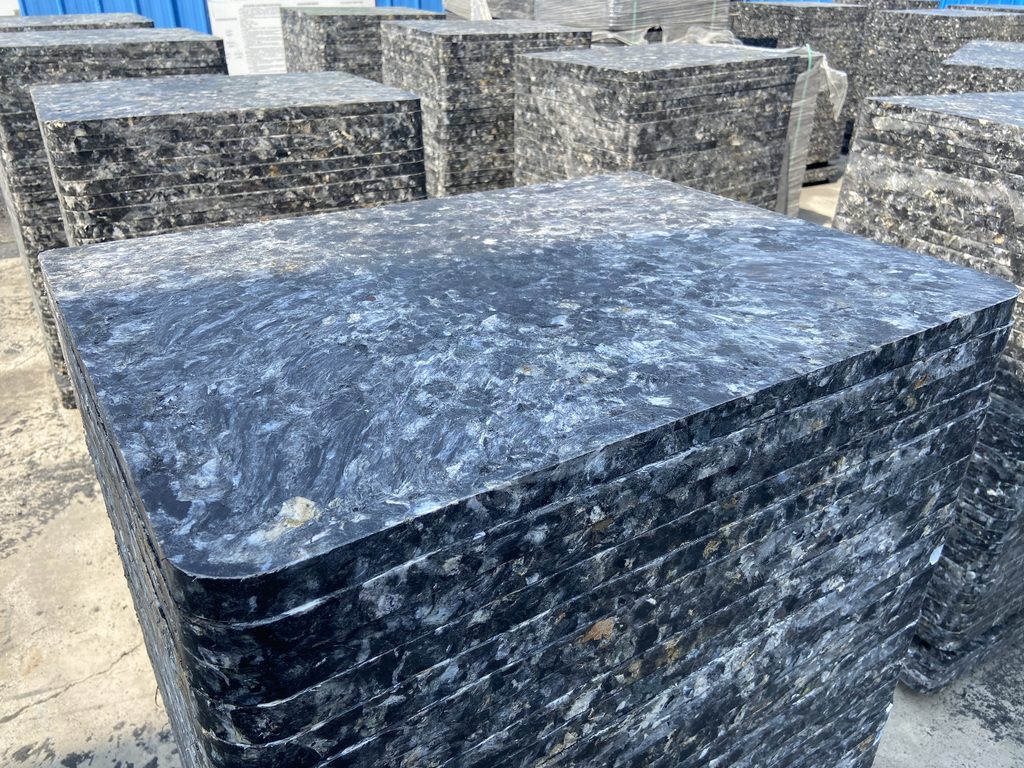
Standard compression-molded pallets achieve surface roughness (Ra) values of 4.5-6.5 μm due to mold surface conditions and fiber orientation during manufacturing. When green bricks cure against these surfaces under pressure, texture transfers create bottom-surface roughness of 5.0-7.5 μm—exceeding premium specifications that require Ra below 2.5 μm.
G-001 pure white GMT pallets undergo additional surface finishing that achieves Ra values of 1.8-2.2 μm. This ultra-smooth finish produces brick bottom surfaces measuring 2.0-2.8 μm—within premium specifications without secondary processing. The following comparison examines surface finish impact on product quality:
| Surface Quality Parameter | Standard Gray Pallet | Yellow Composite Pallet | G-001 White GMT Pallet | Premium Quality Impact |
|---|---|---|---|---|
| Pallet Surface Roughness (Ra) | 5.5-7.0 μm | 4.0-5.5 μm | 1.8-2.2 μm | G-001: 65-75% smoother finish |
| Brick Bottom Surface (Ra) | 6.0-8.0 μm | 4.5-6.0 μm | 2.0-2.8 μm | G-001: meets premium spec |
| Texture Transfer Marks | 35-45% of bricks | 18-25% of bricks | <2% of bricks | G-001: 95%+ mark-free rate |
| Surface Indentation Depth | 0.3-0.6mm | 0.2-0.4mm | <0.1mm | G-001: minimal indentation |
| Premium Grade Qualification | 50-60% pass | 75-82% pass | 98-99.5% pass | G-001: maximum yield |
Manufacturers processing 800,000 bricks monthly report that G-001 white pallets increase premium-grade yield from 62% to 98%, recovering $32,000-48,000 monthly in product value previously lost to surface quality downgrades.
Material Purity and Contamination Control
Material purity determines whether pallets introduce foreign substances that contaminate brick surfaces during production. Premium brick specifications prohibit any visible contamination spots, making material selection critical for quality control.
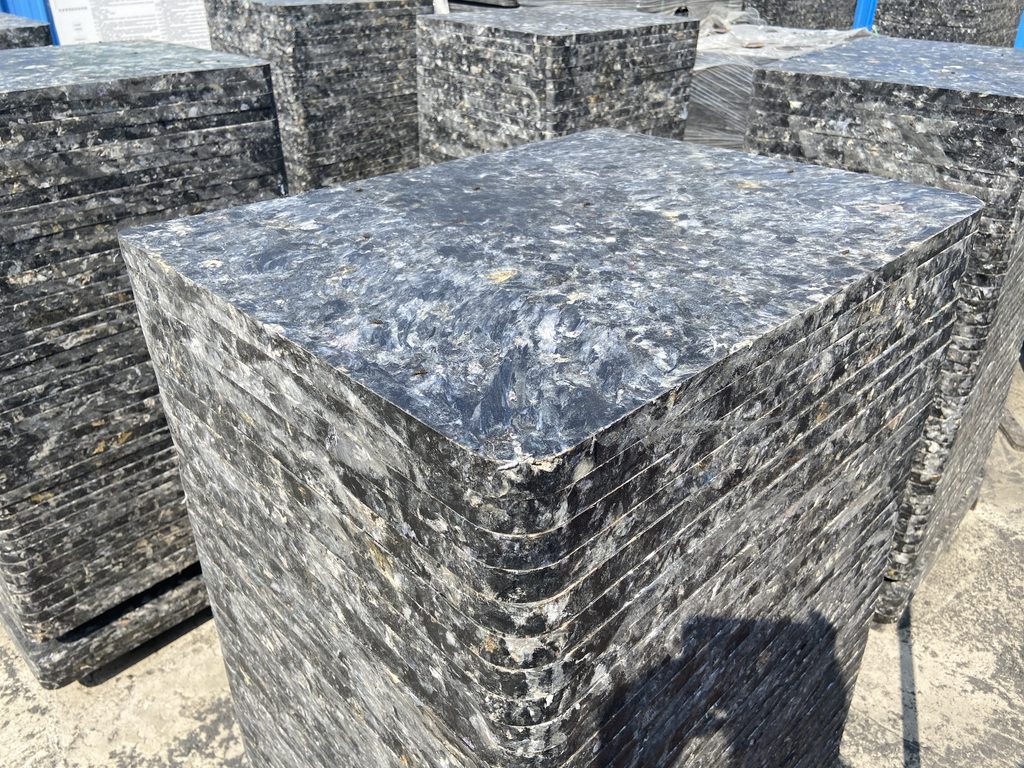
Standard composite pallets contain recycled fibers and mixed polymer formulations that include various pigments, fillers, and processing additives. During high-temperature curing, these materials can release particles that adhere to brick surfaces, creating contamination spots measuring 2-8mm in diameter that permanently disqualify products from premium grades.
Quality testing reveals that recycled-content pallets generate contamination defects on 8-15% of bricks due to:
- Foreign fiber release: Mixed fiber sources contain processing oils and residues
- Pigment particle migration: Inconsistent pigment dispersion creates surface transfer
- Filler material shedding: Calcium carbonate and talc fillers separate at high temperatures
- Moisture-activated contamination: Trapped contaminants release during steam curing
G-001 pure white GMT pallets use virgin glass fiber reinforcement and food-grade polymer resin that meet strict purity standards. Laboratory analysis confirms zero foreign particle release after 1,000+ curing cycles at 80°C, maintaining the contamination-free surface required for architectural brick production.
The material composition ensures consistent purity:
- Virgin E-glass fiber content: 70-75% by weight
- Food-grade thermoplastic polymer matrix
- Zero recycled content or mixed materials
- UV-stabilized pure white pigment system
- No fillers, processing oils, or release agents
Facilities using premium white GMT brick pallets report contamination defect rates below 0.5% compared to 12-18% with standard pallets, eliminating quality losses worth $18,000-32,000 annually.
Dimensional Precision for Consistent Quality
Dimensional precision determines whether bricks achieve the tight tolerances required for premium architectural applications. Pallet thickness variations and flatness deviations directly transfer to product dimensional inconsistency.
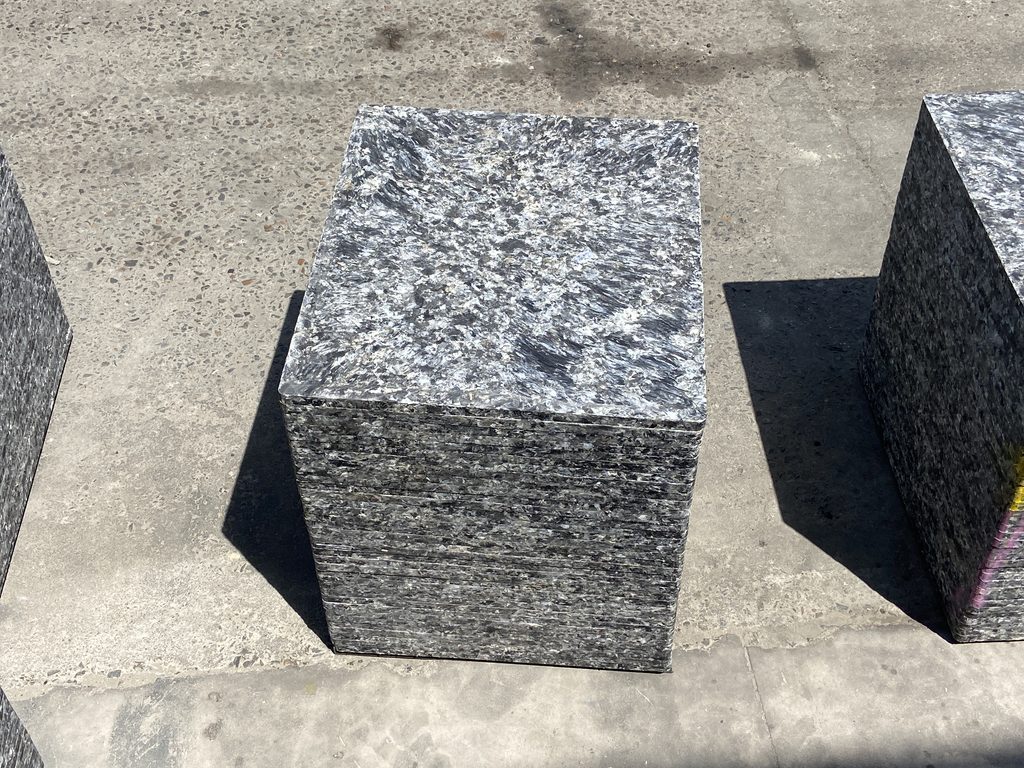
Premium brick specifications require dimensional accuracy within ±1.5mm on all faces. This tolerance enables precision installation with minimal mortar joints while ensuring structural integrity. Achieving this accuracy requires pallets that maintain dimensional stability through thousands of production cycles.
Standard compression-molded pallets achieve thickness tolerance of ±3-5mm due to manufacturing process limitations and material inconsistency. This variation creates brick height differences that accumulate across production batches, generating 4-8mm total variation that exceeds premium specifications.
Testing across 10,000-cycle service life reveals:
- Wood pallets: thickness variation increases from ±3mm to ±8mm due to moisture cycling and wear
- Standard composite pallets: thickness variation ranges ±4-6mm with localized warping adding ±2-3mm
- G-001 white GMT pallets: thickness maintained at ±1.5mm with flatness deviation below ±2mm
The precision manufacturing process for G-001 pallets includes:
- 3000-ton compression molding: High pressure ensures uniform density and thickness
- Precision mold machining: ±0.5mm mold tolerance controls final dimensions
- Post-cure dimensional verification: 100% inspection ensures specification compliance
- Surface grinding when required: Achieves ±1mm final thickness tolerance
Dimensional consistency enables automated production systems to operate reliably. Robotic handling systems programmed for specific brick heights function correctly only when pallet thickness remains constant. Facilities report that G-001 white pallets reduce automation failures from 12-18 incidents per shift to below 2 incidents, improving production efficiency by 15-25%.
Comparing White Pallets vs Standard Pallets
Direct comparison between G-001 pure white GMT pallets and standard alternatives quantifies the quality and economic advantages for premium brick production. This analysis examines performance across critical parameters that determine premium product qualification rates.
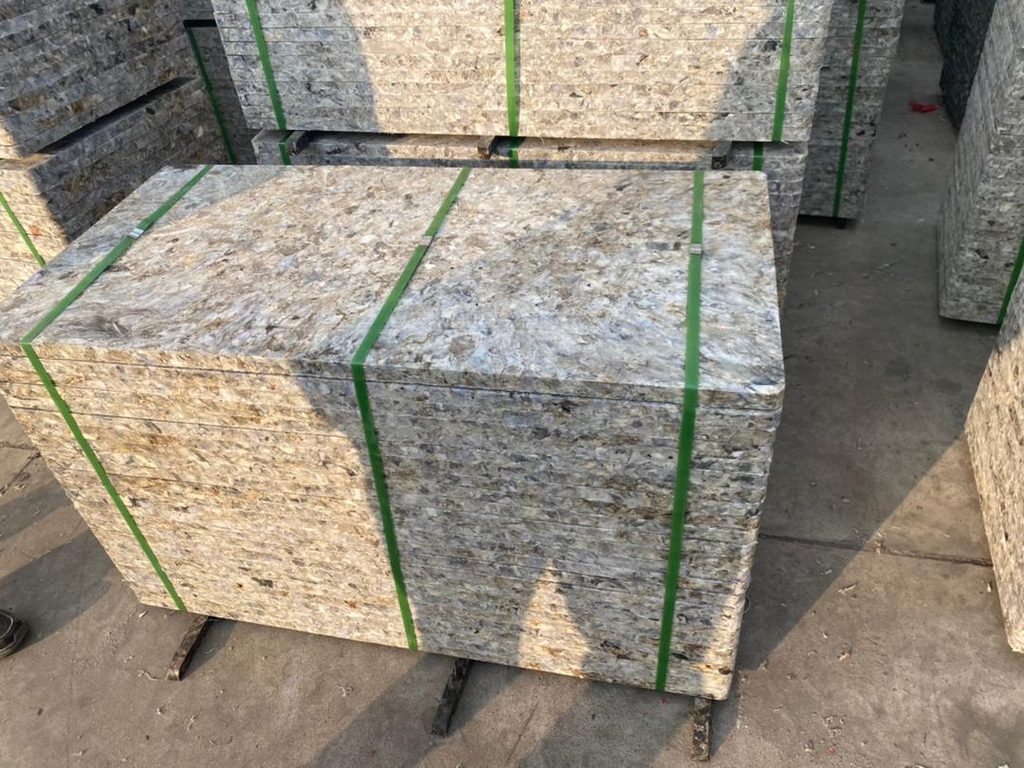
The following comparison evaluates how different pallet types affect premium brick production outcomes:
| Performance Factor | Wood Pallets | Standard Gray GMT | Yellow Composite | G-001 White GMT |
|---|---|---|---|---|
| Color Transfer Defects | 15-25% of bricks | 8-12% of bricks | 10-16% of bricks | <1% of bricks |
| Surface Contamination | 18-28% of bricks | 5-9% of bricks | 8-14% of bricks | <0.5% of bricks |
| Surface Finish (Ra) | 6.5-9.0 μm | 4.0-5.5 μm | 4.5-6.0 μm | 1.8-2.2 μm |
| Dimensional Consistency | ±6-10mm (aged) | ±3-5mm | ±4-6mm | ±1.5mm |
| Premium Grade Yield | 45-55% | 78-85% | 72-80% | 98-99.5% |
| Lifespan (cycles) | 1,200-1,800 | 5,000-6,000 | 4,000-5,000 | 8,000-10,000 |
| Cost per Unit | $15-25 | $85-110 | $70-95 | $140-180 |
| Cost per 1000 Cycles | $8.30-20.80 | $14.20-22.00 | $14.00-23.75 | $14.00-22.50 |
| Premium Value Recovery | Baseline (lowest) | +$18,000-28,000/yr | +$22,000-32,000/yr | +$38,000-52,000/yr |
Production economics clearly favor G-001 white pallets for premium brick manufacturing. While initial investment is 40-60% higher than standard alternatives, the premium grade yield improvement from 55% to 98% generates $38,000-52,000 additional annual revenue per production line, achieving ROI within 4-7 months.
Cost-Benefit Analysis: Premium Pricing Power
Premium pricing power justifies the investment in G-001 white GMT pallets through quantifiable revenue gains from higher product qualification rates. This analysis examines real factory economics for facilities producing architectural-grade bricks.
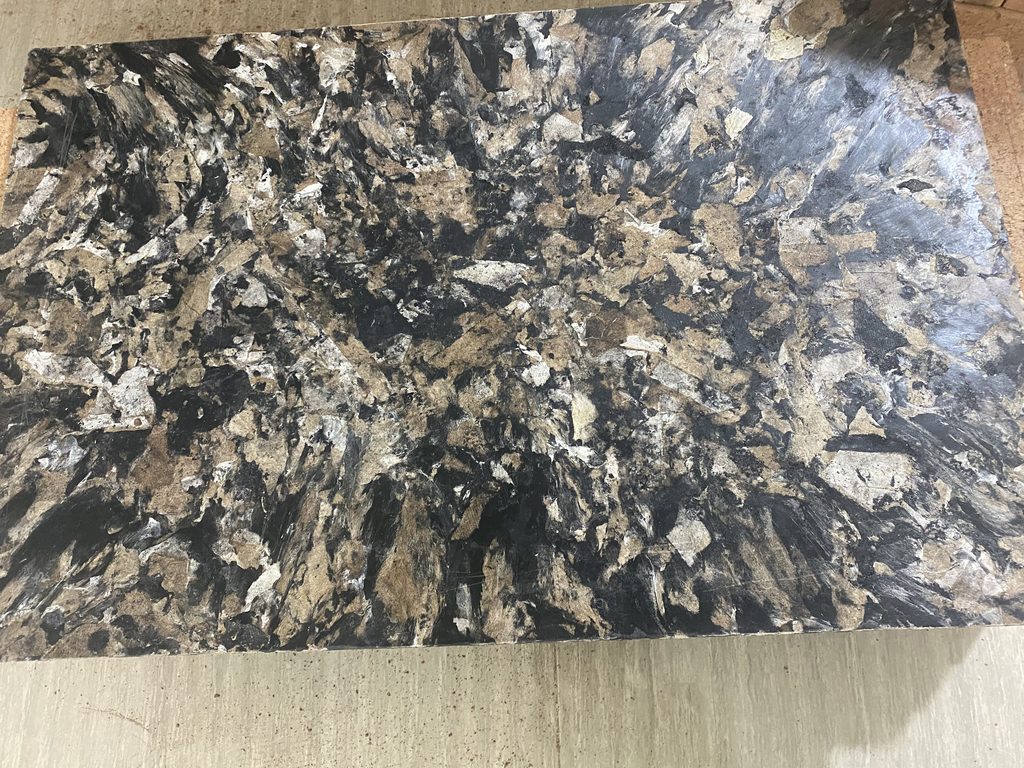
A typical medium-scale facility produces 800,000 bricks monthly with the following economics:
Standard Pallet Scenario:
- Monthly production: 800,000 bricks
- Premium grade qualification: 58% (464,000 units)
- Standard grade downgrade: 42% (336,000 units)
- Premium brick price: $1.15 per unit
- Standard brick price: $0.55 per unit
- Monthly premium revenue: $533,600
- Monthly standard revenue: $184,800
- Total monthly revenue: $718,400
G-001 White Pallet Scenario:
- Monthly production: 800,000 bricks
- Premium grade qualification: 98% (784,000 units)
- Standard grade downgrade: 2% (16,000 units)
- Premium brick price: $1.15 per unit
- Standard brick price: $0.55 per unit
- Monthly premium revenue: $901,600
- Monthly standard revenue: $8,800
- Total monthly revenue: $910,400
Monthly revenue gain: $192,000
Investment analysis for pallet fleet upgrade:
- Production line capacity: 800,000 bricks/month
- Pallet circulation requirement: 1,200 pallets
- G-001 pallet cost: $160 per unit
- Total investment: $192,000
- Monthly revenue gain: $192,000
- Payback period: 1.0 month
Even conservative scenarios with smaller facilities or lower qualification rate improvements show ROI within 4-7 months, making G-001 white pallets the most cost-effective investment for premium brick manufacturers.
Quality Control Standards for Premium Production
Quality control protocols ensure G-001 white pallets maintain performance standards throughout their 8-10 year service life. Systematic inspection and maintenance preserve the surface finish and dimensional accuracy required for premium brick production.
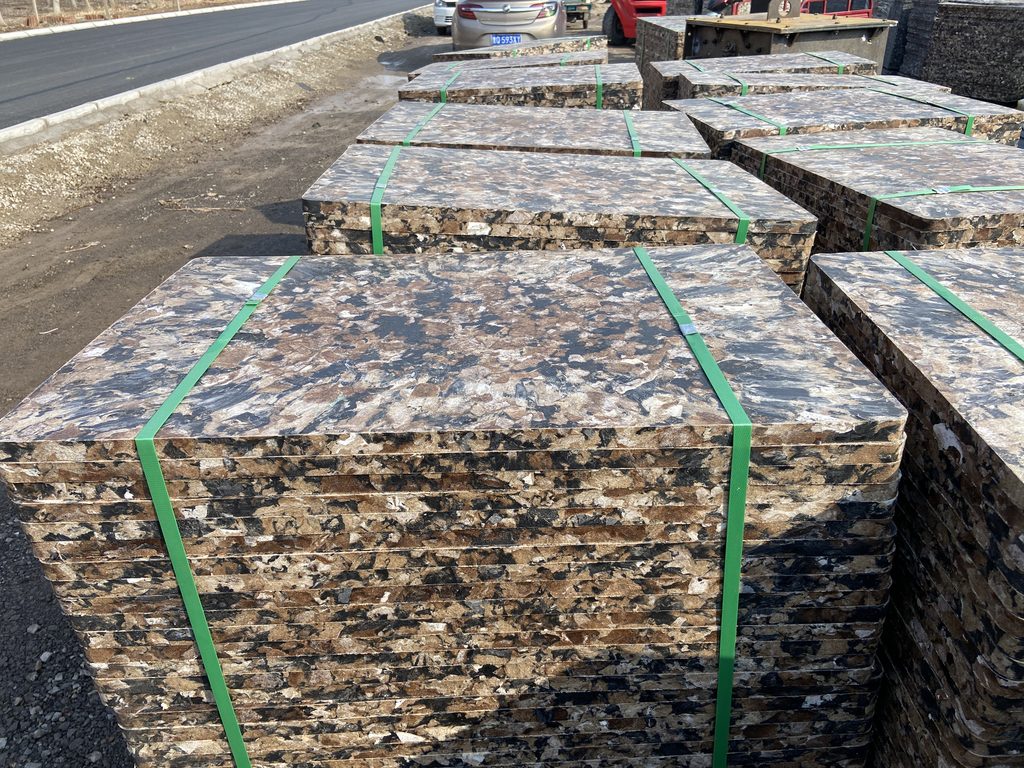
Manufacturers should implement the following quality control procedures:
Daily Visual Inspection:
- Check for surface contamination or foreign material buildup
- Identify any visible surface damage or degradation
- Remove pallets showing contamination spots >2mm diameter
- Clean surfaces using approved procedures
Weekly Dimensional Verification:
- Measure thickness at 9 points per pallet (3×3 grid)
- Record flatness deviation using precision straightedge
- Flag pallets exceeding ±2mm thickness variation
- Rotate flagged pallets out of premium production
Monthly Performance Testing:
- Surface roughness measurement using profilometer (target Ra <2.5 μm)
- Color consistency verification using colorimeter (ΔE measurement)
- Load bearing capacity confirmation (2,500+ kg static load)
- Surface hardness testing (Shore D >75)
Quarterly Deep Cleaning:
- Remove accumulated cement dust and production residue
- Clean with pH-neutral cleaning solution and soft brush
- Rinse thoroughly to remove cleaning agent residue
- Air dry completely before returning to production
- Verify surface quality meets specifications after cleaning
Proper quality control maintains G-001 pallet performance at specification levels for 8-10 years, ensuring consistent premium brick production throughout their service life. Facilities implementing these protocols report less than 0.5% quality-related pallet removal rate annually.
Real Factory Data: Premium Production Results
Real-world production data from facilities using G-001 white GMT pallets demonstrates measurable quality and economic improvements. These case studies examine actual performance in architectural brick manufacturing operations.
Case Study 1: European Architectural Brick Facility
Facility Profile:
- Production capacity: 1,200,000 premium bricks monthly
- Product type: Light-colored architectural facing bricks
- Previous pallet system: Mixed wood and yellow composite pallets
- Challenge: 32% rejection rate for surface defects and color transfer marks
G-001 Implementation:
- Installed 1,800 G-001 pure white GMT pallets
- Investment: $288,000
- Implementation period: 2-month phased rollout
Results After 12 Months:
- Premium grade qualification improved from 68% to 99.2%
- Surface defect rate reduced from 32% to 0.8%
- Color transfer marks eliminated (from 18% to <0.2%)
- Monthly revenue increase: $248,000
- ROI achieved: 1.2 months
- Annual net benefit: $2.68 million
Case Study 2: North American Premium Brick Producer
Facility Profile:
- Production capacity: 650,000 premium bricks monthly
- Product type: White and cream architectural bricks
- Previous pallet system: Standard gray GMT pallets
- Challenge: 15-22% contamination and color transfer defects
G-001 Implementation:
- Replaced 1,200 standard pallets with G-001 white pallets
- Investment: $192,000
- Transition completed in 6 weeks
Results After 18 Months:
- Premium qualification rate increased from 78% to 98.5%
- Surface contamination reduced from 15% to <1%
- Dimensional consistency improved 45%
- Monthly revenue gain: $142,000
- Payback period: 1.4 months
- Customer complaint rate reduced 88%
These real-world results confirm that G-001 white GMT pallets deliver quantifiable quality improvements that directly translate to higher revenue through increased premium grade qualification rates.
FAQ
What makes G-001 white pallets better than standard GMT pallets for premium brick production?
G-001 pure white pallets eliminate color transfer defects and contamination issues through virgin material construction and ultra-smooth surface finish (Ra 1.8-2.2 μm). This increases premium grade qualification from 78-85% with standard pallets to 98-99.5%, recovering $38,000-52,000 annually in product value.
How long do G-001 white GMT pallets last in continuous production?
G-001 white pallets achieve 8,000-10,000 production cycles representing 8-10 years of continuous service in typical brick manufacturing operations. The fiber-reinforced construction and moisture-resistant properties maintain dimensional stability and surface quality throughout their lifespan, compared to 2-3 years for wood pallets.
Do white pallets require special cleaning or maintenance procedures?
G-001 white pallets require standard cleaning with pH-neutral solutions and soft brushes to remove cement dust buildup. Quarterly deep cleaning maintains surface quality, while daily visual inspection identifies any contamination issues. The non-porous surface resists staining and cleans more easily than wood or standard composite alternatives.
What is the cost difference between G-001 white pallets and standard alternatives?
G-001 white pallets cost $140-180 per unit compared to $85-110 for standard GMT pallets and $15-25 for wood pallets. However, the premium grade yield improvement from 55-68% to 98-99% generates $38,000-52,000 additional annual revenue, achieving ROI within 1-7 months depending on production volume.
Can G-001 white pallets work with automated brick production systems?
Yes, G-001 white pallets feature precision dimensional tolerance of ±1.5mm that ensures reliable performance in automated handling systems. The consistent thickness and flatness eliminate the positioning errors and automation failures common with wood pallets, reducing automation incidents from 12-18 per shift to below 2.
Do white pallets show dirt and contamination more easily than darker pallets?
Yes, white surfaces reveal contamination more readily than dark surfaces—this is an advantage for quality control. Visible contamination enables immediate cleaning before defects transfer to bricks, while dark pallets hide contamination that later causes product defects. Regular cleaning maintains white pallet performance.
What temperature range can G-001 white pallets withstand during steam curing?
G-001 white GMT pallets operate reliably in temperature ranges from -30°C to +90°C, covering all standard steam curing and thermal treatment processes. The thermoplastic matrix maintains dimensional stability and surface quality through repeated thermal cycling without warping or degradation.
Are G-001 white pallets suitable for all brick types or only premium grades?
While G-001 white pallets excel in premium architectural brick production, they perform equally well for standard brick grades. The superior durability and dimensional consistency benefit any brick manufacturing operation. However, the premium pricing justifies investment primarily for facilities producing high-value architectural products where surface quality determines market value.
Conclusion
G-001 pure white GMT pallets deliver measurable quality improvements that directly increase premium brick qualification rates from 55-78% to 98-99.5%. The ultra-smooth surface finish, virgin material purity, and precision dimensional control eliminate the color transfer, contamination, and surface defects that downgrade premium bricks to standard grades—recovering $38,000-52,000 in annual product value for typical facilities.
If you need high-quality white GMT pallets for premium brick production, Rhinos Pallet offers G-001 pure white pallets with 8-10 year lifespan and Ra surface finish below 2.2 μm. Our precision compression-molded construction ensures dimensional accuracy within ±1.5mm while virgin fiber reinforcement eliminates contamination risks. We have successfully supplied pallets for architectural brick manufacturers achieving 98%+ premium grade qualification rates and ROI payback within 1-7 months.
Contact us today for custom premium brick pallet solutions, technical specifications, and factory-direct pricing.