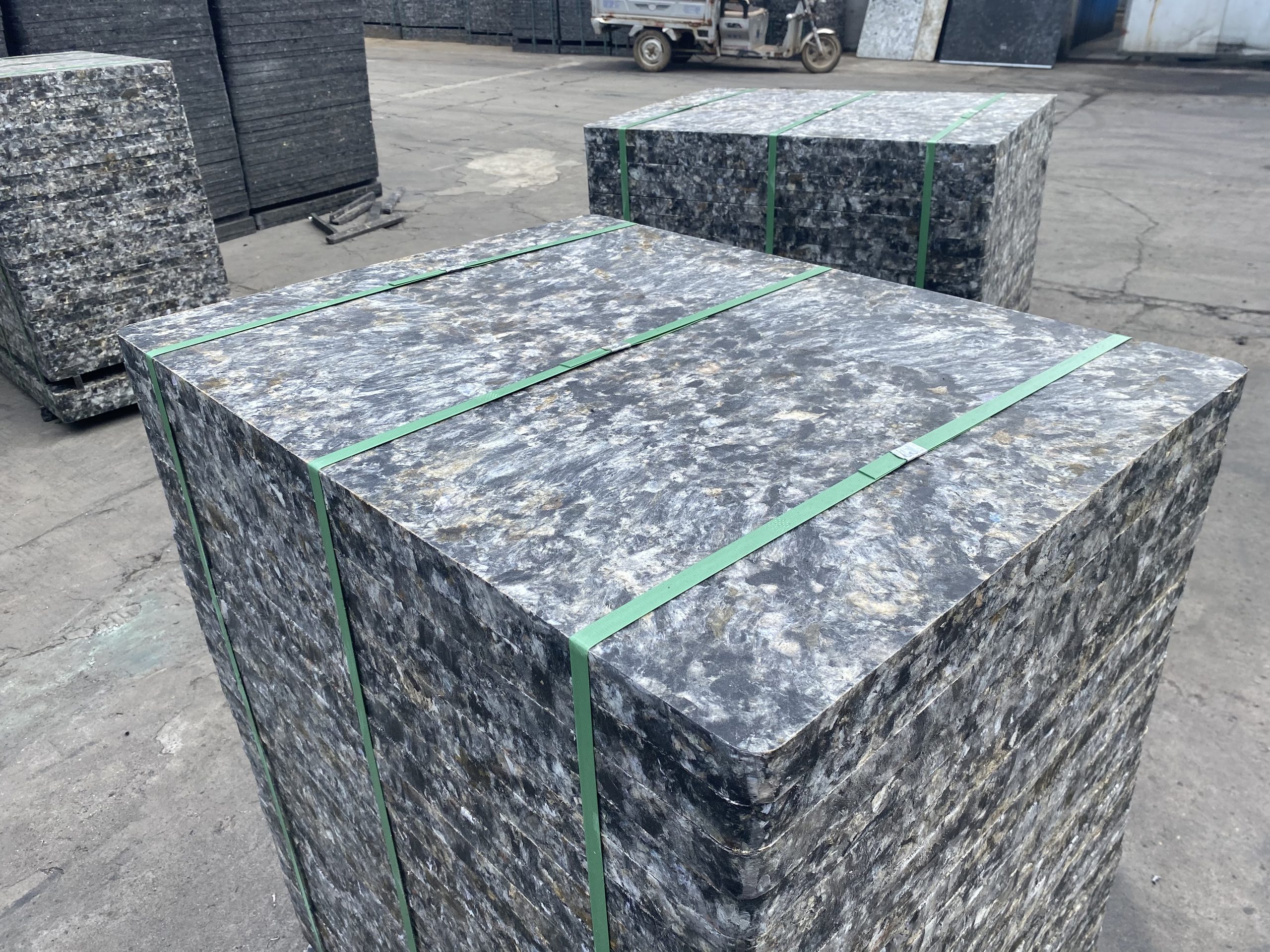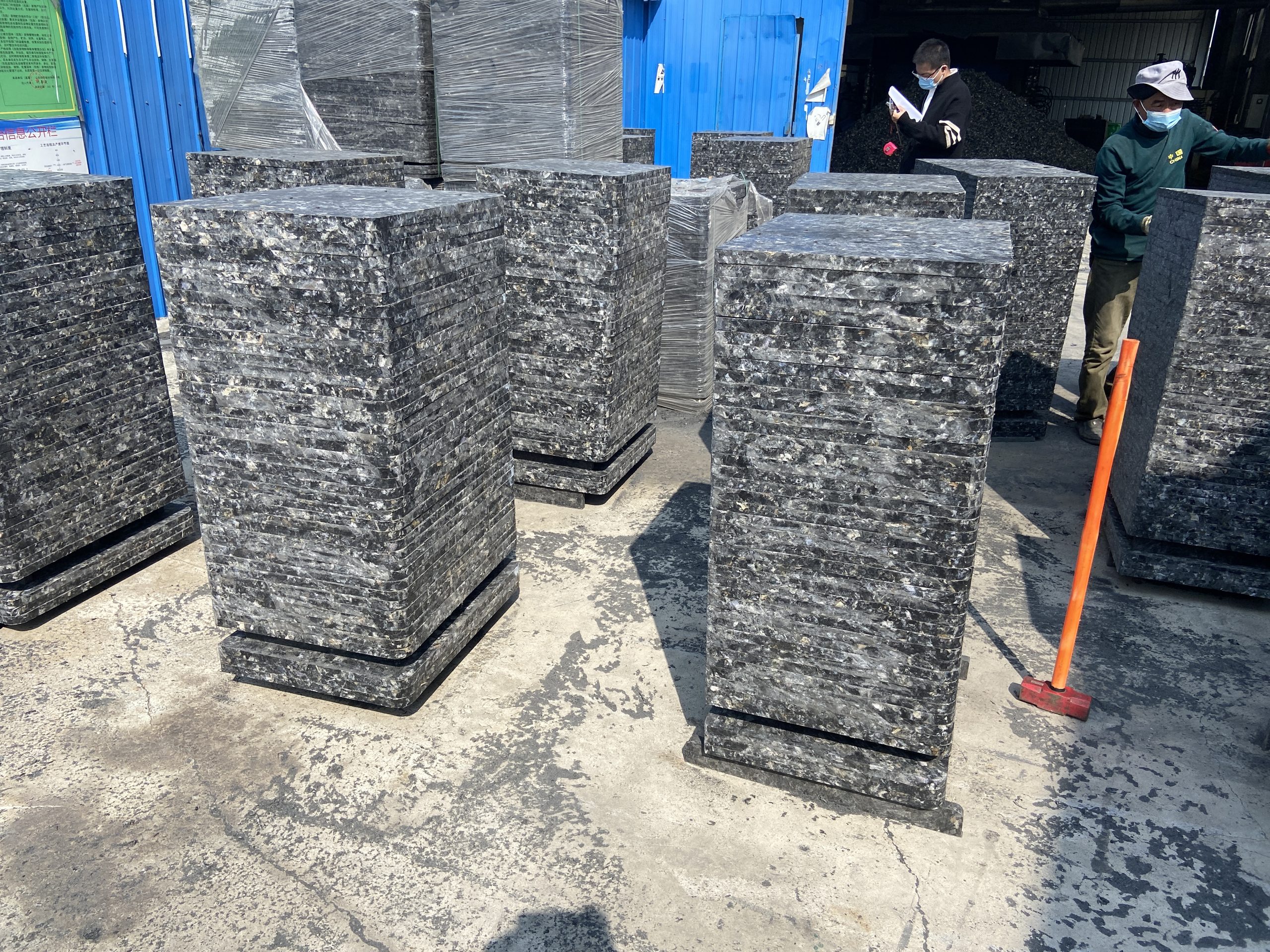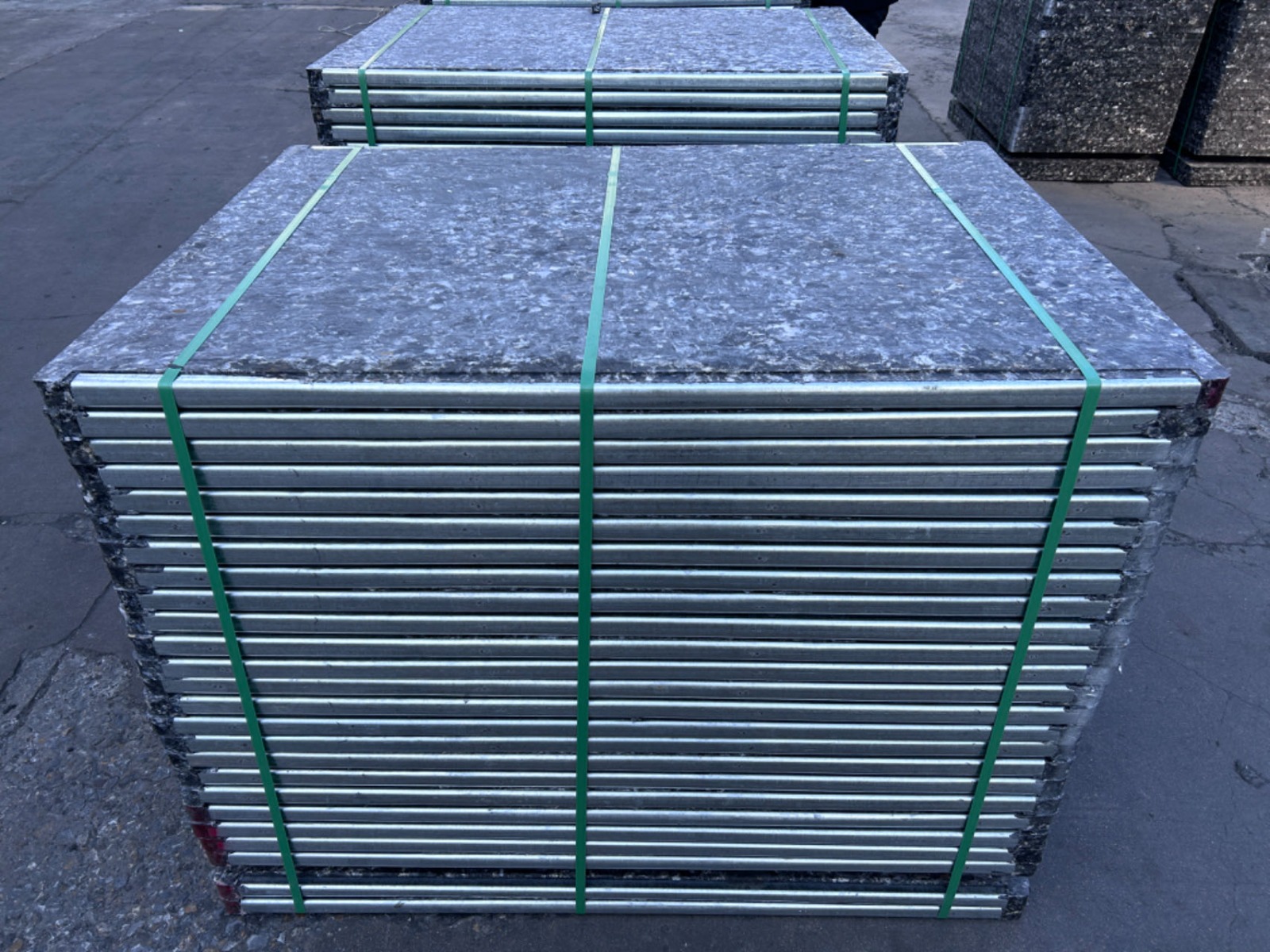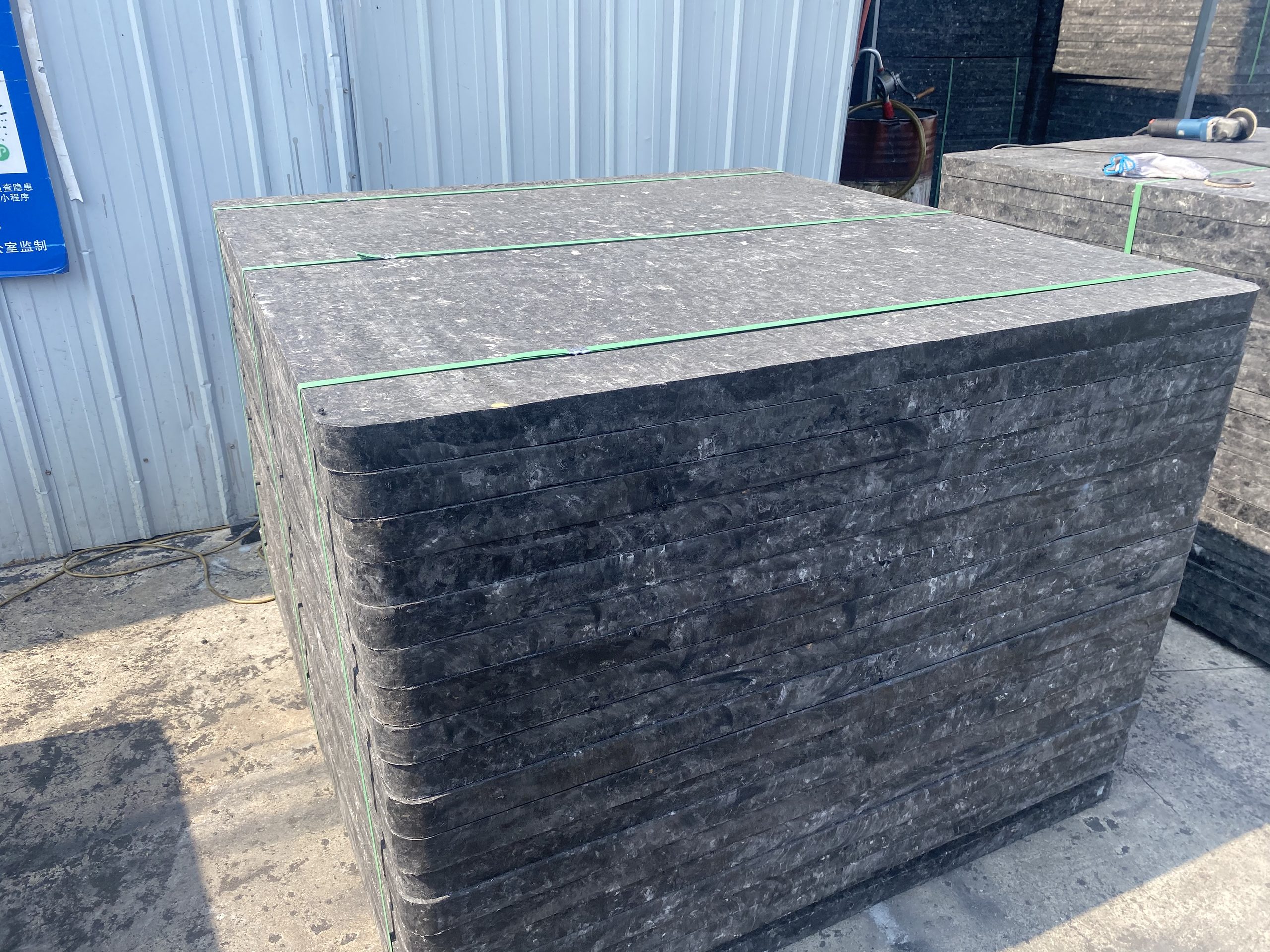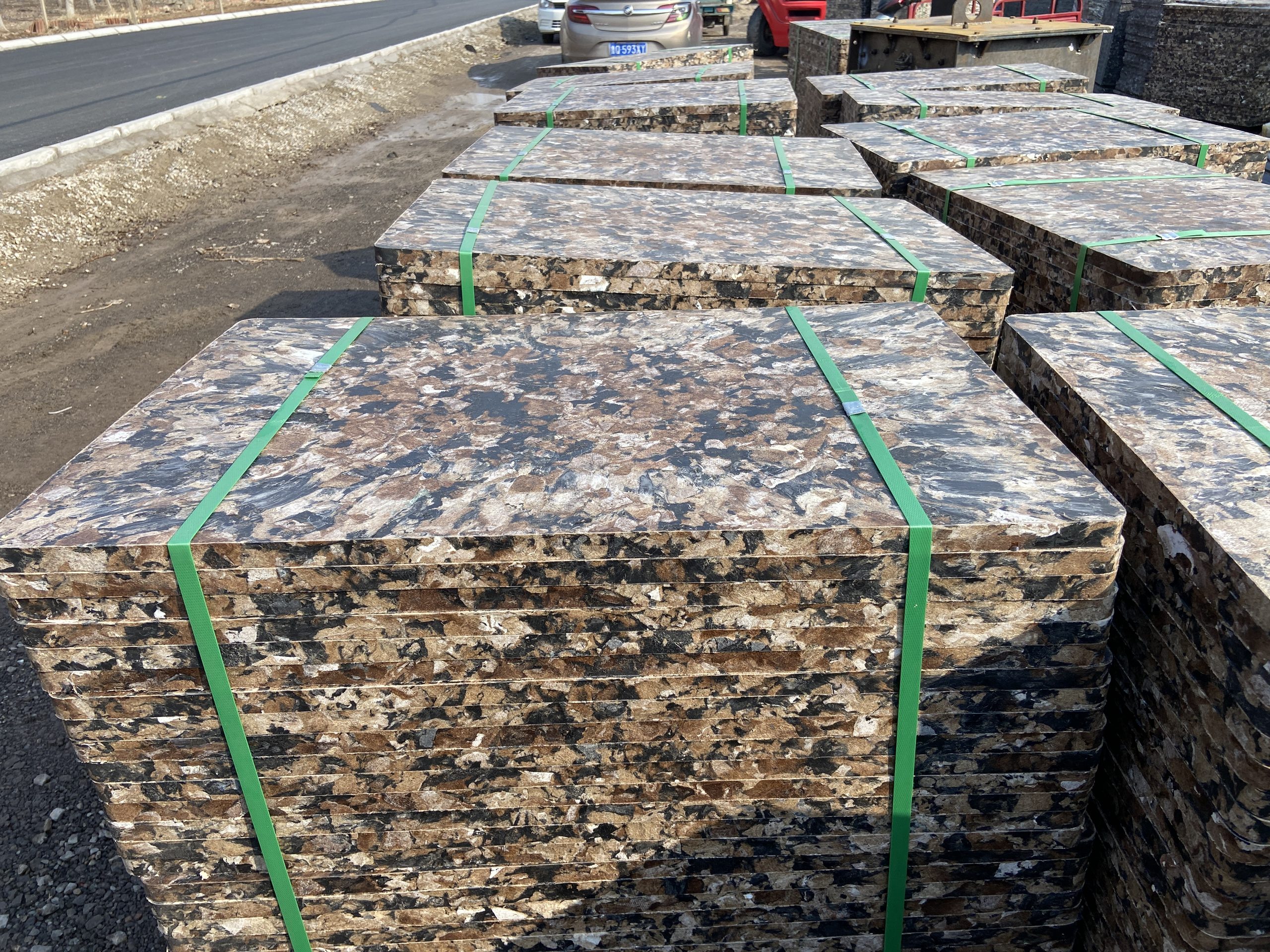
The global brick manufacturing sector is experiencing a fundamental shift in pallet technology as the traditional wooden pallet market faces mounting pressure from advanced composite alternatives. With the broader pallet market reaching $102.60 billion in 2025 and brick production expanding to meet infrastructure demands, manufacturers face a critical equipment decision that impacts operational costs for the next decade. The specialized brick pallet segment—dominated by wooden platforms for over 50 years—now confronts disruption from glass fiber reinforced GMT pallets delivering 8-10 year service life versus wood’s 18-24 month replacement cycle.
Market Size and Growth Projections
The global pallet market demonstrates steady expansion with projections reaching $98.4 billion by 2034 at 3.9% CAGR. Within this broader market, brick manufacturing pallets represent a specialized segment driven by construction industry growth, particularly in emerging markets. The global bricks market valued at $1.79 trillion in 2025 and forecasted to reach $2.43 trillion by 2035 creates substantial downstream demand for production equipment including pallets.
Brick manufacturers consume pallets at rates proportional to production volume. A medium-scale facility producing 50,000 bricks daily requires 400-600 pallets in continuous rotation. Traditional wooden pallets priced at $15-25 per unit require replacement every 18-24 months, generating recurring procurement costs of $3,000-7,500 annually per facility. GMT composite alternatives priced at $45-75 per unit deliver 8-10 year operational life, shifting the total cost of ownership equation.
Asia-Pacific captures 40% of global brick production, with India and China driving $15 trillion in construction spending. This regional concentration influences pallet demand patterns, as tropical humidity and high-temperature curing processes accelerate wooden pallet deterioration. Southeast Asian facilities report wood warpage within 6-9 months under 85-95% humidity conditions, creating 25-40% higher replacement frequency compared to temperate climates.
| Market Segment | 2025 Value | 2034 Projection | CAGR | Key Drivers |
|---|---|---|---|---|
| Global Pallet Market | $102.6B | $132.3B | 5.3% | E-commerce, logistics automation |
| Brick Industry Pallets | $2.1-2.8B (est.) | $3.5-4.2B (est.) | 4.8-5.2% | Construction growth, material upgrades |
| GMT/Composite Pallets | $420-560M (est.) | $980M-1.2B (est.) | 8.5-9.5% | Durability advantages, ROI recognition |
North America accounts for 36.9% of global pallet market share in 2025, though brick production pallets represent a smaller proportion due to regional construction material preferences favoring concrete and alternative building systems. European markets emphasize sustainability compliance, with Germany and Netherlands implementing circular economy mandates affecting pallet material selection.
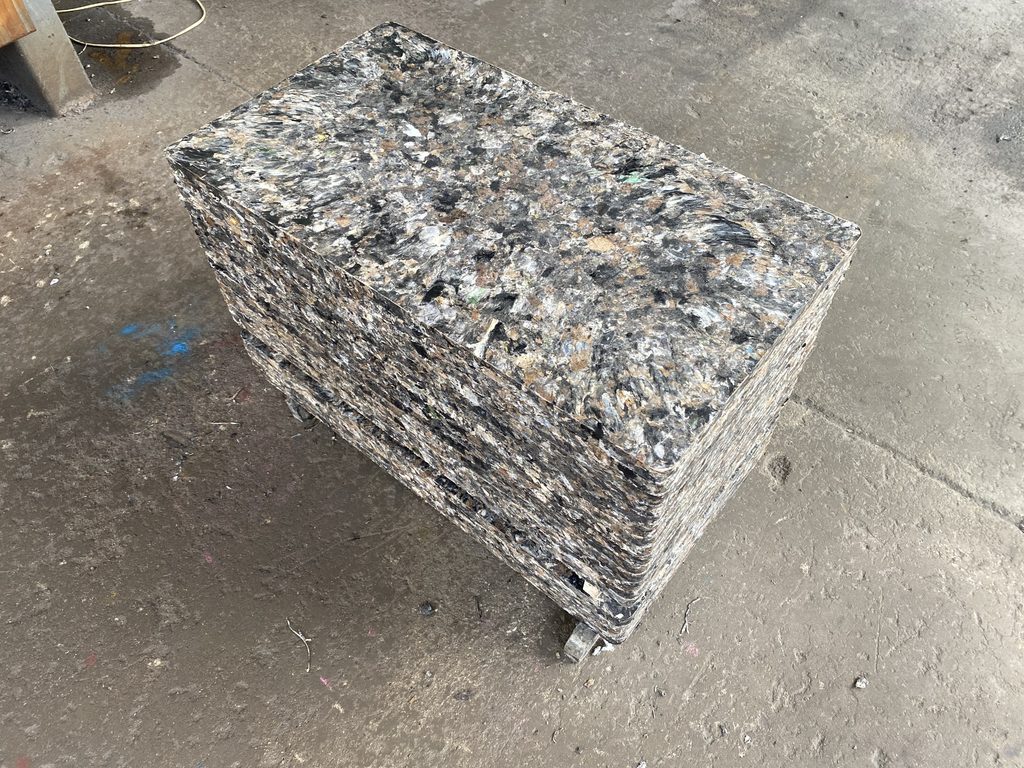
The specialized brick pallet market exhibits different growth dynamics than generic shipping pallets. Production line pallets remain facility-specific rather than circulating through supply chains, creating replacement demand tied directly to manufacturing capacity expansion and equipment lifecycle management. Automated brick lines commissioning worldwide since 2023 require precision-tolerance pallets, accelerating GMT adoption in new installations while legacy facilities continue wood usage pending capital upgrade cycles.
Regional Market Analysis
Asia-Pacific dominates brick pallet demand with India, China, Vietnam, and Indonesia representing 65-70% of specialized manufacturing pallet consumption. India’s construction sector growth at 7.2% annually through 2030 drives brick production capacity additions, particularly in Maharashtra, Gujarat, and Uttar Pradesh industrial clusters. Brick manufacturers in these regions report 30-45% production line utilization increases when transitioning from deteriorated wooden pallets to GMT alternatives, directly impacting throughput capacity.
China’s environmental regulations implemented 2022-2025 restricted domestic hardwood harvesting, increasing wood pallet costs 35-45% and accelerating composite material adoption. Government infrastructure programs—including Belt and Road construction—sustain brick demand despite residential construction sector adjustments. Chinese automated brick lines increasingly spec GMT pallets as standard equipment, with 60-70% of new installations since 2024 selecting fiber-reinforced pallets over traditional wood.
Middle East and North Africa brick production concentrated in Egypt, Saudi Arabia, UAE experiences extreme temperature operating conditions (+45-55°C ambient) where wooden pallets dry, crack, and warp within 12-18 months. Regional manufacturers report 40-50% faster degradation rates compared to temperate climates, making GMT’s temperature stability (-30°C to +80°C operational range) particularly advantageous. Saudi Vision 2030 infrastructure projects and Egyptian urban development programs sustain regional brick demand through 2035.
African markets present cost-sensitivity characteristics with initial capital investment constraints limiting GMT adoption despite long-term ROI advantages. Nigerian, Kenyan, and South African brick producers predominantly use wood or bamboo pallets priced $8-15, replacing every 15-20 months. Educational initiatives demonstrating lifecycle cost analysis show 18-24 month payback periods for GMT upgrades, gradually increasing composite market penetration in established facilities.
| Region | 2025 Market Share | Primary Materials | Average Replacement Cycle | Growth Drivers |
|---|---|---|---|---|
| Asia-Pacific | 62% | Wood (70%), GMT (22%), Bamboo (8%) | 18-22 months | Infrastructure spending, automation |
| Europe | 15% | Wood (55%), GMT (35%), Recycled (10%) | 24-30 months | Sustainability mandates, quality standards |
| North America | 8% | Wood (80%), GMT (15%), Plastic (5%) | 20-24 months | Automated production adoption |
| Middle East/Africa | 12% | Wood (85%), GMT (10%), Other (5%) | 14-18 months | Extreme climate conditions |
| Latin America | 3% | Wood (90%), GMT (5%), Other (5%) | 16-20 months | Cost constraints, emerging adoption |
European markets emphasize dimensional accuracy and surface finish quality, with German and Dutch brick manufacturers requiring ±0.3mm tolerances for automated stacking systems. These precision requirements exceed wooden pallet capabilities after 8-12 months of use, creating natural GMT adoption drivers in premium product segments. EU circular economy directives favor materials with end-of-life recycling pathways, benefiting GMT’s 25-45% glass fiber content enabling mechanical grinding and reprocessing.
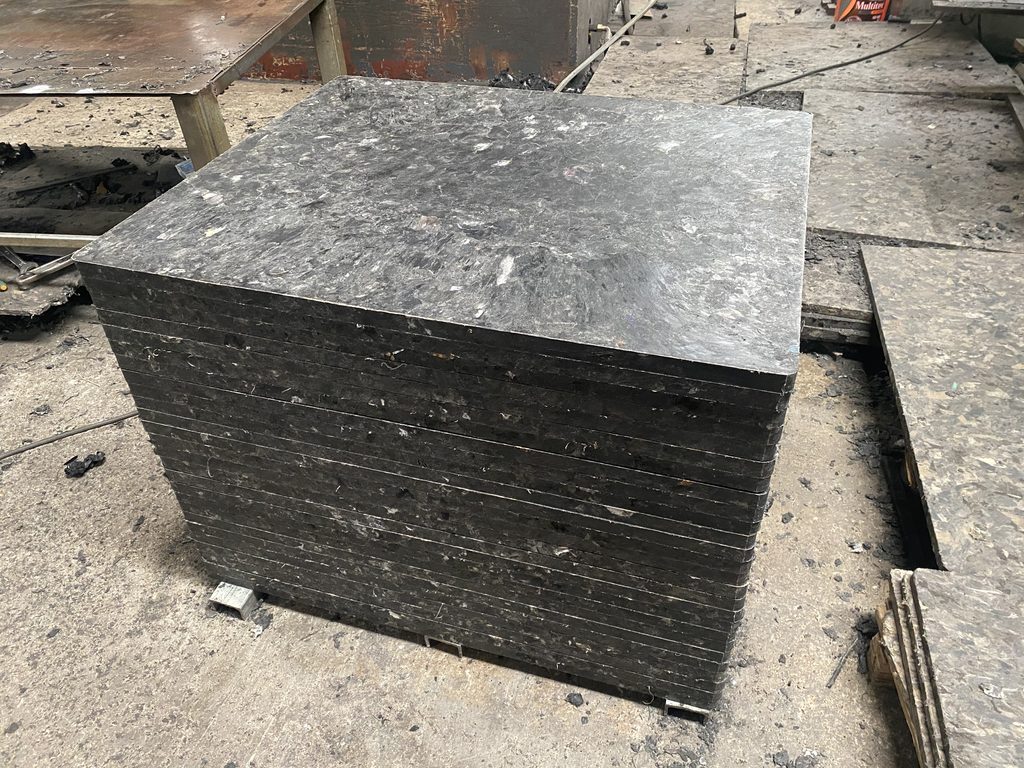
Latin American markets centered in Brazil, Mexico, and Colombia demonstrate emerging GMT awareness with adoption rates below 5% as of 2025. Regional brick producers face capital availability constraints and limited technical knowledge about composite pallet lifecycle economics. Market education efforts and financing options—including equipment leasing and supplier credit programs—represent growth enablers for 2026-2030 market development.
Material Technology Trends
The brick manufacturing pallet market undergoes material composition evolution driven by performance requirements, cost structures, and operational durability demands. Traditional wooden pallets dominated 90%+ market share through 2020, declining to 70-75% by 2025 as composite alternatives demonstrate measurable advantages in high-throughput production environments.
GMT (Glass Mat Thermoplastic) pallets comprise 25-45% glass fiber reinforced thermoplastic matrix, delivering structural integrity across temperature extremes and humidity conditions that degrade wood. The material maintains dimensional stability within ±0.2mm tolerances throughout 8-10 year operational life, supporting automated brick handling systems requiring consistent positioning accuracy. Manufacturers report zero warpage incidents with GMT compared to 15-25% annual wood warpage rates in high-humidity facilities.
Material composition directly impacts operational performance metrics. Wood pallets absorb 12-18% moisture content in humid environments, increasing weight 2-3 kg per unit and introducing dimensional variance that causes automated stacker misalignment. GMT’s closed-cell structure absorbs <0.5% moisture, maintaining consistent weight (8-12 kg depending on size) and preventing surface mold growth that transfers to brick products. This moisture resistance eliminates the product marking and discoloration issues wood pallets cause on light-colored or premium surface finish bricks.
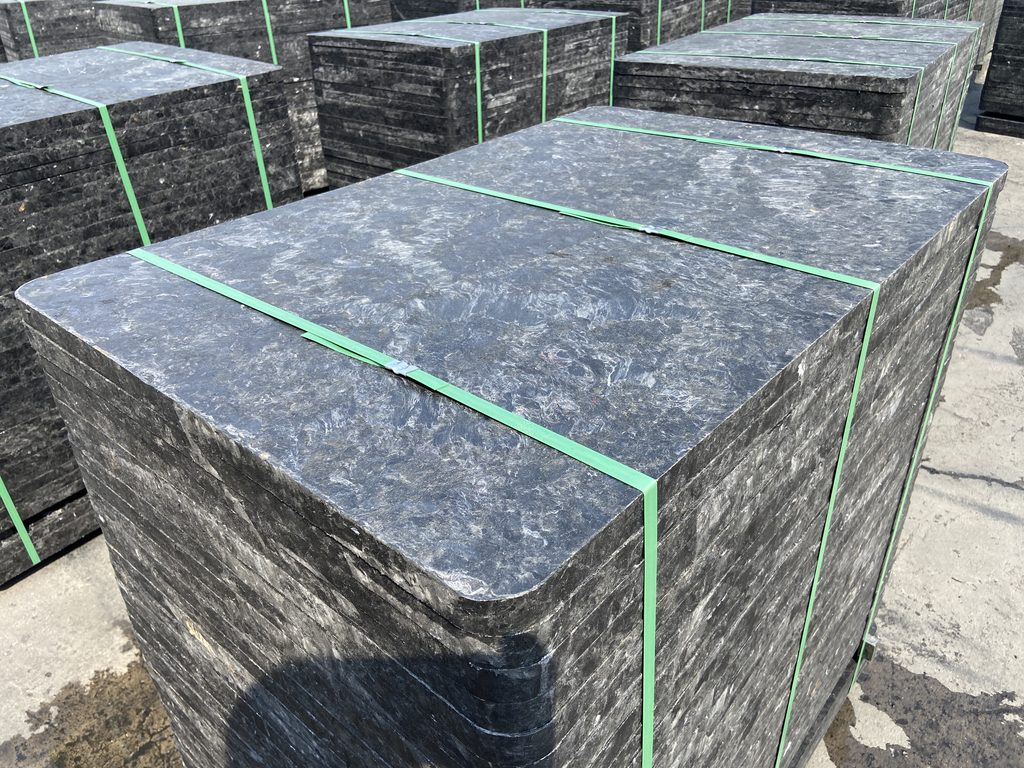
Surface texture engineering represents emerging GMT technology. Traditional smooth finish GMT pallets now compete with micro-textured surfaces designed to reduce brick adhesion while maintaining structural support. This surface innovation addresses the primary wood pallet advantage—natural porosity preventing brick sticking—through engineered texture patterns that release products cleanly without requiring wood’s inherent grain structure.
Glass fiber content ratios influence performance characteristics and price points. Entry-level GMT pallets contain 25-30% glass fiber priced $45-55, offering 6-8 year life. Premium formulations with 40-45% glass fiber priced $65-75 deliver 10-12 year durability and support higher load cycles suitable for automated high-speed production lines. Manufacturers select formulations based on production intensity, with facilities running 20-24 hours daily opting for higher glass content grades.
Recycled content integration represents developing GMT technology. Current GMT pallets incorporate 10-15% post-industrial recycled thermoplastic, with R&D efforts targeting 25-30% recycled content without performance degradation. This development addresses sustainability positioning while reducing raw material costs 8-12%, potentially narrowing the price gap with wooden alternatives. Closed-loop recycling programs where manufacturers accept end-of-life GMT pallets for 15-25% credit toward new purchases support circular economy models.
Alternative materials including bamboo composite, recycled plastic, and aluminum-edged fiber boards capture niche market segments. Bamboo pallets priced $12-18 offer environmental positioning but deliver only 24-30 month operational life in tropical conditions. Pure recycled plastic pallets lack the structural rigidity required for automated stacking, limiting application to manual production lines. Aluminum-edged designs priced $80-95 target premium segments requiring maximum durability in extreme conditions.
Automation and Industry 4.0 Integration
Brick manufacturing automation accelerates globally as labor costs rise and production efficiency requirements intensify. Automated production lines commissioning since 2022 introduce pallet performance requirements that traditional wooden platforms cannot consistently meet. Robotic brick handling systems require positioning accuracy within ±0.5mm, dimensional consistency across thousands of operational cycles, and RFID/barcode compatibility for inventory tracking—capabilities GMT pallets deliver while wood cannot maintain over multi-year timeframes.
Industry 4.0 implementation in brick manufacturing encompasses automated molding, robotic stacking, intelligent curing management, and real-time quality monitoring. Each automation component introduces pallet interface requirements. Automated guided vehicles (AGVs) transporting pallets between production stages require consistent weight and dimensional characteristics—wood pallets varying 15-20% in weight due to moisture absorption cause AGV handling errors. GMT’s consistent 8-12 kg weight enables reliable robotic manipulation throughout operational life.
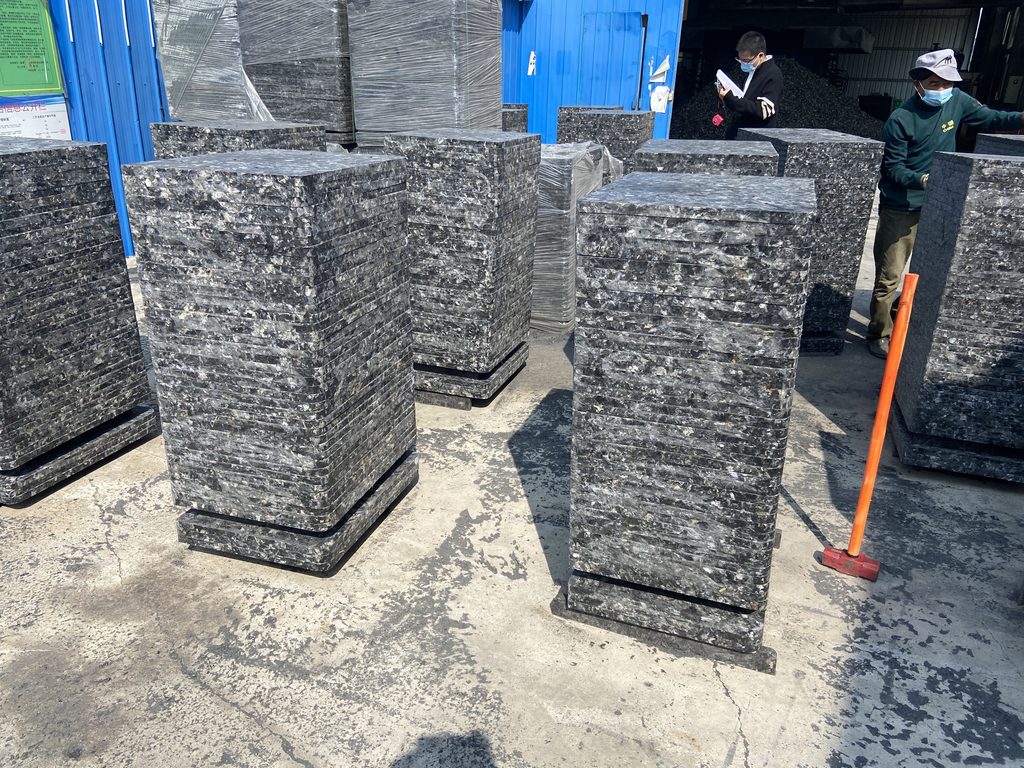
Smart pallet technology emerges as manufacturers embed RFID chips or printed barcodes enabling production tracking, curing time monitoring, and inventory management integration. GMT pallets accommodate embedded RFID tags without structural compromise, while wooden pallet humidity and temperature cycling degrades adhesive-mounted tags within 6-12 months. This tracking capability enables automated curing systems to monitor individual pallet positions, ensuring proper cure cycles before brick removal and reducing quality defects 20-30%.
Automated stacking systems represent the most pallet-dependent production stage. High-speed robotic stackers positioning 80-120 bricks per minute require pallet surface flatness within ±0.3mm across the entire platform. Wooden pallets develop 2-4mm warpage within 8-12 months, causing stacker positioning errors, brick misalignment, and increased breakage rates. Facilities report 15-25% breakage reduction when transitioning automated lines from degraded wooden pallets to GMT alternatives.
Vision system integration in quality control processes requires consistent pallet positioning for accurate brick inspection. Camera-based defect detection systems calibrated to specific pallet heights experience 30-40% false detection rates when wooden pallet warpage introduces vertical variance. GMT’s dimensional stability eliminates this variable, enabling reliable automated quality inspection throughout the pallet’s 8-10 year operational life.
The palletizing technology trends for 2026 emphasize collaborative robots, AI-driven optimization, and predictive maintenance systems. Brick manufacturers implementing these technologies require pallet infrastructure capable of supporting sensor integration, consistent performance metrics, and multi-year operational reliability—requirements favoring GMT adoption in automated facility upgrades.
Competitive Landscape
The global brick pallet manufacturing sector comprises regional suppliers, specialized equipment manufacturers, and material technology companies. Market structure differs significantly from standard shipping pallet industries due to brick production pallets’ specialized dimensions, material requirements, and facility-specific customization needs.
Asian manufacturers dominate production capacity with Chinese, Indian, and Vietnamese companies supplying 70-75% of global brick pallet volume. These suppliers typically operate as subsidiaries or divisions of brick machine equipment manufacturers, offering integrated equipment packages including molding machines, curing systems, and pallets. This vertical integration creates customer acquisition advantages but limits independent pallet technology innovation.
European suppliers focus on premium GMT formulations and engineering support services rather than competing on volume production. German and Italian manufacturers emphasize technical consultation, helping brick producers optimize pallet specifications for automated production lines and premium surface finish requirements. These suppliers command 40-50% price premiums over Asian commodity wooden pallets by demonstrating measurable ROI through reduced breakage rates and extended operational life.
Rhinos Pallet exemplifies specialized brick pallet manufacturing focused exclusively on GMT composite technology rather than diversified wood-plastic-metal product lines. This specialization enables material formulation optimization, production process refinement, and application-specific engineering support that generalist pallet manufacturers cannot match. Customer case studies demonstrate quantified results including 50% breakage reduction, 10+ year operational life, and 18-24 month payback periods that establish clear differentiation from commodity wooden alternatives.
Market consolidation trends remain limited as of 2025, with regional suppliers maintaining local market dominance through established brick machine equipment relationships and distributor networks. Cross-border M&A activity stays minimal due to product customization requirements, shipping cost economics, and local market knowledge advantages. Future consolidation more likely occurs vertically—brick machine manufacturers acquiring pallet suppliers—rather than horizontal combination of competing pallet producers.
Competitive differentiation increasingly emphasizes total cost of ownership rather than initial purchase price. Wooden pallet suppliers competing on $15-25 price points face displacement as brick manufacturers recognize lifecycle economics favor $45-75 GMT alternatives delivering 4-6x longer operational life. This market education process accelerates in regions with established automated production, while price-focused competition continues in manual production markets with limited capital availability.
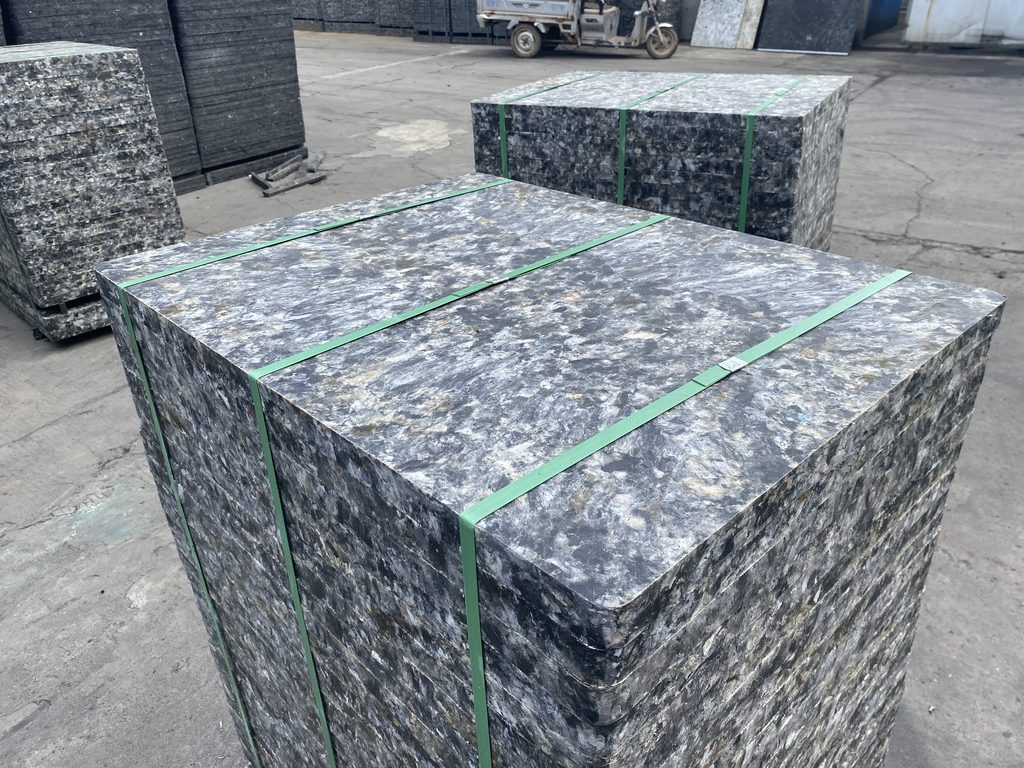
Technology barriers to entry remain moderate. GMT pallet manufacturing requires compression molding equipment, glass fiber materials sourcing, and quality control processes—capital investment of $500,000-1.5M establishes viable production capacity. However, market access barriers prove higher due to brick machine equipment manufacturer relationships, regional distributor networks, and technical support capabilities required for automated production applications.
Investment Opportunities
The brick pallet market transition from wooden to composite materials creates distinct investment opportunities across the value chain. Equipment manufacturers, material suppliers, and brick producers each face capital allocation decisions with measurable financial returns based on current market dynamics and technology trajectories.
For brick manufacturers, GMT pallet investment demonstrates clear ROI metrics. A medium-scale facility operating 400 pallets pays $6,000-10,000 for wooden inventory replacing every 18-24 months ($3,000-5,000 annually), versus $18,000-30,000 GMT investment lasting 8-10 years ($1,800-3,000 annually). This 40-50% per-year cost reduction generates 18-24 month payback periods before accounting for reduced breakage rates (10-20% improvement) and increased production efficiency (5-10% throughput gains). Financial analysis demonstrates automated facilities achieve 12-18 month payback, while manual operations extend to 24-30 months.
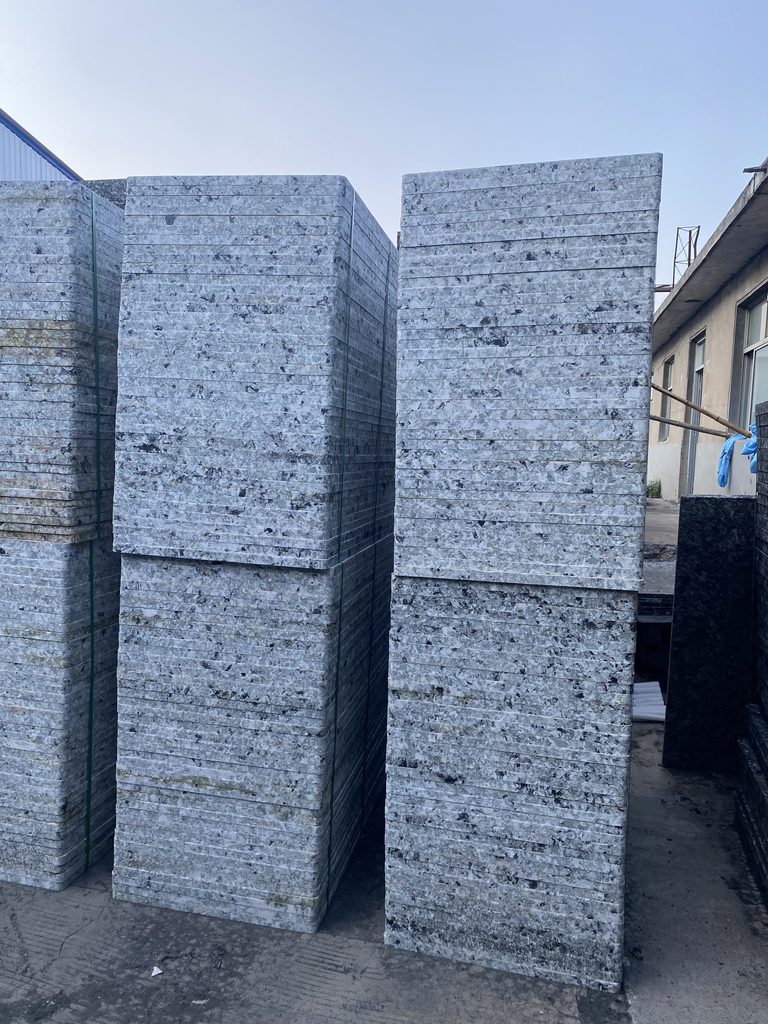
Regional market development opportunities exist in Africa, Latin America, and emerging Asian markets where GMT adoption remains below 10%. Market entry strategies require technical education programs, financing solutions, and demonstration projects proving performance advantages. Suppliers establishing regional distribution networks and technical support capabilities in Nigeria, Kenya, Brazil, and Mexico position for 15-25% annual growth rates through 2030 as these markets mature beyond price-only procurement decisions.
Technology innovation investment focuses on recycled content integration, surface engineering, and smart pallet capabilities. GMT formulations incorporating 25-30% post-consumer recycled content without performance degradation address sustainability positioning while reducing material costs 8-12%. Surface texture patents enabling improved brick release characteristics create defensible competitive advantages. RFID integration supporting Industry 4.0 manufacturing systems opens premium market segments willing to pay 15-20% premiums for tracking capabilities.
Brick machine equipment manufacturers face strategic investment decisions regarding pallet technology integration. Companies offering complete production line packages including optimized pallets capture higher customer lifetime value versus equipment-only sales. Developing automated systems specifically designed for GMT pallet characteristics—including robotic handling optimized for consistent weight/dimensions, stacking systems calibrated for flatness tolerances, and curing racks sized for specific pallet configurations—creates equipment-pallet synergies that improve overall system performance.
Material suppliers providing glass fiber reinforcements, thermoplastic resins, and recycling services support GMT pallet production growth. Glass fiber consumption for brick pallets represents emerging demand beyond traditional composite applications in automotive, construction, and consumer goods. Suppliers developing optimized fiber lengths, surface treatments, and cost-effective grades specifically for pallet applications capture growth in this specialized segment.
Challenges and Barriers
Market adoption challenges persist despite GMT pallets’ demonstrable performance and economic advantages. Initial capital investment requirements create procurement barriers, particularly for small-to-medium brick manufacturers operating with limited working capital and prioritizing immediate cash flow over lifecycle cost optimization. A facility requiring 400-600 pallets faces $18,000-45,000 GMT investment versus $6,000-15,000 for wooden alternatives—3-4x capital outlay creating financial approval barriers even when ROI calculations favor composite materials.
Market education gaps limit adoption in regions where brick manufacturers lack exposure to lifecycle cost analysis methodologies. Traditional procurement practices focus on per-unit purchase price rather than total cost of ownership calculations incorporating replacement frequency, breakage reduction, and efficiency gains. Wooden pallet suppliers maintain competitive advantages through established relationships, immediate availability, and simple procurement processes versus GMT suppliers requiring technical consultation and customized specifications.
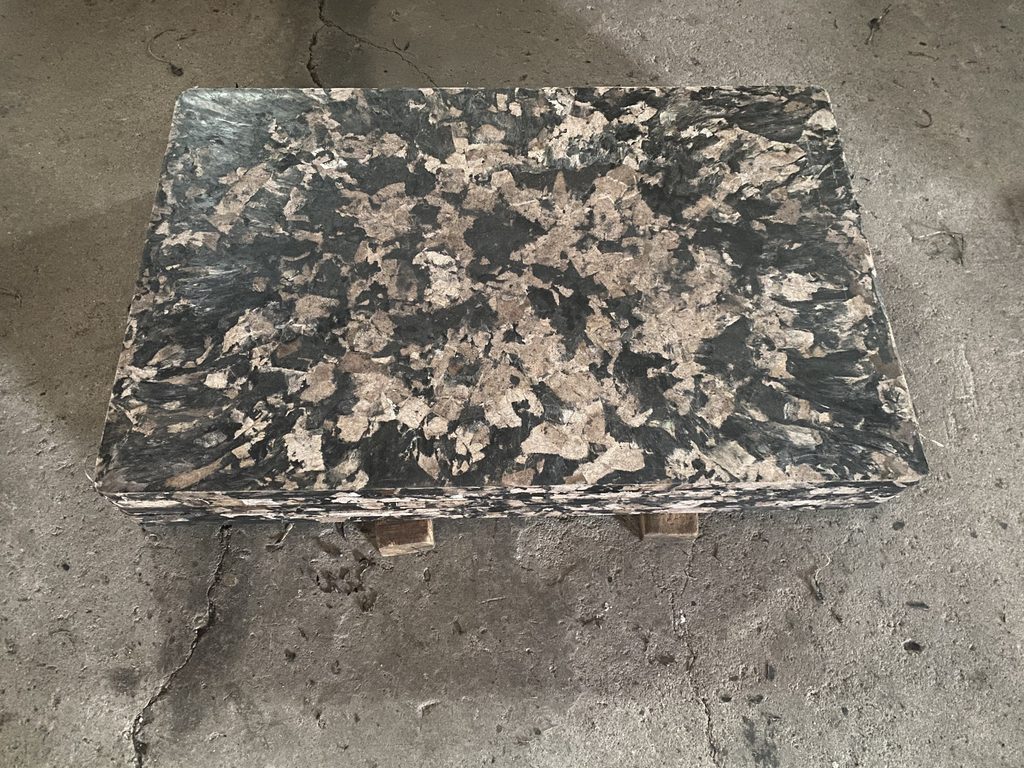
Performance perception challenges exist where manufacturers experienced early-generation GMT products with quality issues. Pre-2020 GMT pallets from low-quality suppliers occasionally exhibited delamination, edge cracking, or surface texture problems that created negative perceptions persisting despite current-generation improvements. Overcoming these legacy perceptions requires demonstration programs, trial periods, and case study documentation showing current GMT performance standards.
Supply chain availability varies significantly by region. Asian markets benefit from local GMT manufacturing capacity enabling 2-4 week delivery timeframes. African, Latin American, and some Middle Eastern markets face 8-12 week import lead times, creating inventory management challenges and favoring locally-available wooden alternatives despite inferior performance characteristics. Establishing regional distribution centers and local manufacturing partnerships addresses this barrier but requires substantial supplier investment.
Technical support requirements exceed wooden pallet commodities. GMT pallets perform optimally when brick machine settings, curing conditions, and handling procedures align with material characteristics. Manufacturers transitioning from wood to GMT may require process adjustments including release agent formulations, curing temperature optimization, and automated handling system calibration. Suppliers lacking technical support capabilities—common among distributors focused on wooden pallets—struggle to support customers through transition periods.
Standardization limitations create procurement complexity. Brick machines vary dimensionally by manufacturer, vintage, and customization, requiring pallet specifications matching specific equipment. This customization prevents commodity-style purchasing and standard inventory stocking, increasing GMT procurement complexity versus one-size-fits-most wooden pallets. Industry standardization efforts remain limited as brick machine manufacturers maintain proprietary specifications.
Environmental and recycling infrastructure gaps exist in some markets. While GMT pallets contain 25-45% recyclable glass fiber, actual recycling programs remain limited to established markets with mature waste management systems. Manufacturers in developing regions face end-of-life disposal challenges, as GMT materials don’t biodegrade like wood but lack accessible recycling infrastructure. This creates lifecycle environmental concerns that sustainability-focused manufacturers must address.
Future Outlook
The brick pallet market trajectory through 2030 points toward continued GMT adoption driven by automation proliferation, lifecycle cost recognition, and sustainability mandates. Current 20-25% GMT market share in specialized brick production pallets projects to 40-45% by 2030 as automated facilities become standard for new installations and existing manual operations upgrade equipment during regular capital refresh cycles.
Automation adoption represents the primary GMT adoption driver. Robotic brick production systems commissioning globally require pallet performance characteristics that wooden alternatives cannot consistently deliver throughout multi-year operational cycles. Industry forecasts project 35-40% of global brick production capacity will operate automated systems by 2030, up from 15-20% in 2025. This automation wave creates natural GMT adoption as equipment manufacturers increasingly spec composite pallets as standard components in production line packages.
Material technology advancement continues with recycled content integration, smart pallet capabilities, and surface engineering innovations. GMT formulations targeting 30-35% post-consumer recycled content by 2028 address sustainability positioning while reducing material costs. RFID-enabled pallets supporting production tracking, quality traceability, and inventory management become standard in premium automated facilities. Surface texture patents enabling improved brick release and reduced product marking create competitive differentiation opportunities.
Regional market development follows predictable patterns as emerging markets mature through initial resistance, early adoption among leading manufacturers, and eventual mainstream acceptance. African and Latin American markets currently in early resistance phase should reach early adoption stage 2027-2029 as educational initiatives, case studies, and financing programs address initial barriers. Middle Eastern markets more advanced in adoption cycles due to extreme climate conditions accelerating wood deterioration should reach 30-40% GMT penetration by 2028.
Competitive landscape evolution likely includes vertical integration as brick machine equipment manufacturers acquire or develop in-house pallet production capabilities. This integration creates complete production system optimization where machines, pallets, curing equipment, and automation components work as engineered systems rather than assembled components. Such integration disadvantages independent pallet suppliers unless they establish strong technical differentiation and customer relationships.
Sustainability regulations increasingly influence material selection decisions. European markets implement circular economy mandates requiring documented recycling pathways for production equipment. Asian markets adopt environmental standards limiting wood waste and encouraging durable material alternatives. These regulatory trends favor GMT’s recyclable composition and extended operational life versus wood’s shorter lifecycle and limited recycling infrastructure.
Price dynamics may shift as GMT production scales and recycled content integration reduces material costs. Current 3-4x price premium for GMT versus wood could narrow to 2.5-3x by 2028-2030, further improving payback periods and reducing capital investment barriers. Conversely, wooden pallet prices face upward pressure from forest preservation policies, environmental regulations, and labor cost increases in primary producing regions.
FAQ
What is driving brick pallet market growth?
Brick pallet market growth stems from global construction industry expansion, particularly in Asia-Pacific infrastructure development, combined with manufacturers upgrading from wooden pallets to GMT composites for improved durability and automation compatibility. The broader pallet market reaching $102.60 billion in 2025 reflects logistics and manufacturing growth that extends to specialized brick production applications.
How do GMT pallets compare to wooden pallets in total cost?
GMT pallets priced $45-75 deliver 8-10 year operational life versus wood pallets at $15-25 lasting 18-24 months. For a 400-pallet facility, GMT costs $1,800-3,000 annually versus wood at $3,000-5,000 annually—a 40-50% reduction in per-year expenses with 18-24 month payback periods. Additional savings from reduced breakage (10-20% improvement) and increased efficiency strengthen the economic case for GMT.
Which regions show the strongest GMT adoption?
Asia-Pacific markets, particularly automated facilities in China, India, and Southeast Asia, demonstrate highest GMT adoption rates at 20-25% market share. European markets emphasize premium GMT grades for precision applications. Middle Eastern manufacturers adopt GMT rapidly due to extreme temperatures accelerating wood deterioration. African and Latin American markets remain below 10% adoption due to capital constraints and market education gaps.
What pallet specifications do automated brick lines require?
Automated production requires dimensional accuracy within ±0.3-0.5mm, consistent weight (8-12 kg) for robotic handling, surface flatness preventing stacking errors, and multi-year durability maintaining these tolerances throughout operational life. Wooden pallets develop 2-4mm warpage within 8-12 months, causing automated system failures, while GMT maintains specifications throughout 8-10 year service life.
How do environmental regulations affect pallet material selection?
European circular economy mandates favor materials with documented recycling pathways, benefiting GMT’s 25-45% glass fiber content enabling mechanical grinding and reprocessing. China’s forest preservation policies increased wood costs 35-45%, accelerating composite adoption. Sustainability-focused manufacturers emphasize GMT’s 10+ year life generating lower per-year carbon emissions versus wood’s frequent replacement cycles.
What are the main barriers to GMT pallet adoption?
Initial capital investment requiring 3-4x higher outlay than wood creates the primary barrier, particularly for small-medium manufacturers with limited working capital. Market education gaps regarding lifecycle cost analysis, regional supply chain availability challenges in developing markets, and legacy performance perceptions from early-generation products also limit adoption rates.
Conclusion
The global brick pallet market stands at a material technology inflection point where composite alternatives demonstrate clear performance and economic advantages over traditional wooden platforms that dominated the industry for five decades. With the broader pallet market reaching $102.60 billion and specialized brick manufacturing pallets representing a growing segment driven by $1.79 trillion in brick production, manufacturers face strategic equipment decisions with decade-long operational and financial implications.
GMT pallets delivering 8-10 year service life, 40-50% lower annual costs, and dimensional stability supporting automated production systems create compelling value propositions that overcome 3-4x initial price premiums through 18-24 month payback periods. Regional adoption patterns reflect infrastructure development, automation implementation, and climate conditions, with Asia-Pacific leading at 20-25% market penetration while emerging markets remain below 10% due to capital and education barriers.
Industry trends through 2030 point toward continued GMT adoption driven by automation proliferation, lifecycle cost recognition, sustainability mandates, and technology advances including recycled content integration and smart pallet capabilities. Manufacturers, suppliers, and equipment companies navigating this transition capture competitive advantages through early adoption, technical innovation, and market positioning emphasizing total cost of ownership rather than initial purchase price. Those maintaining traditional procurement practices focused solely on upfront costs risk operational disadvantages as automated production systems and precision quality requirements increasingly demand GMT’s performance characteristics.
Looking to understand if GMT pallets fit your production requirements? Explore our complete product line or review customer case studies demonstrating quantified performance improvements across different facility types and regional conditions.