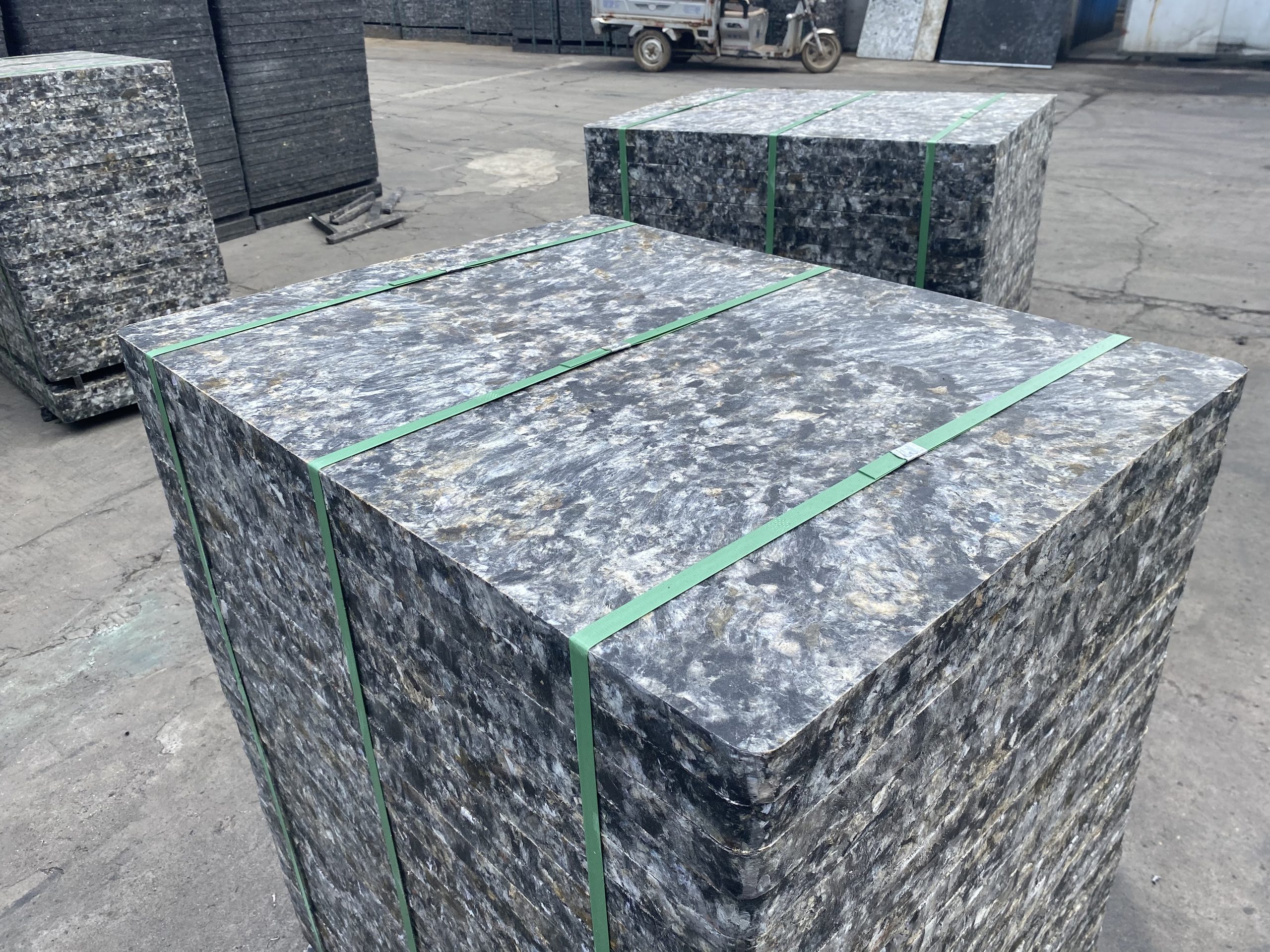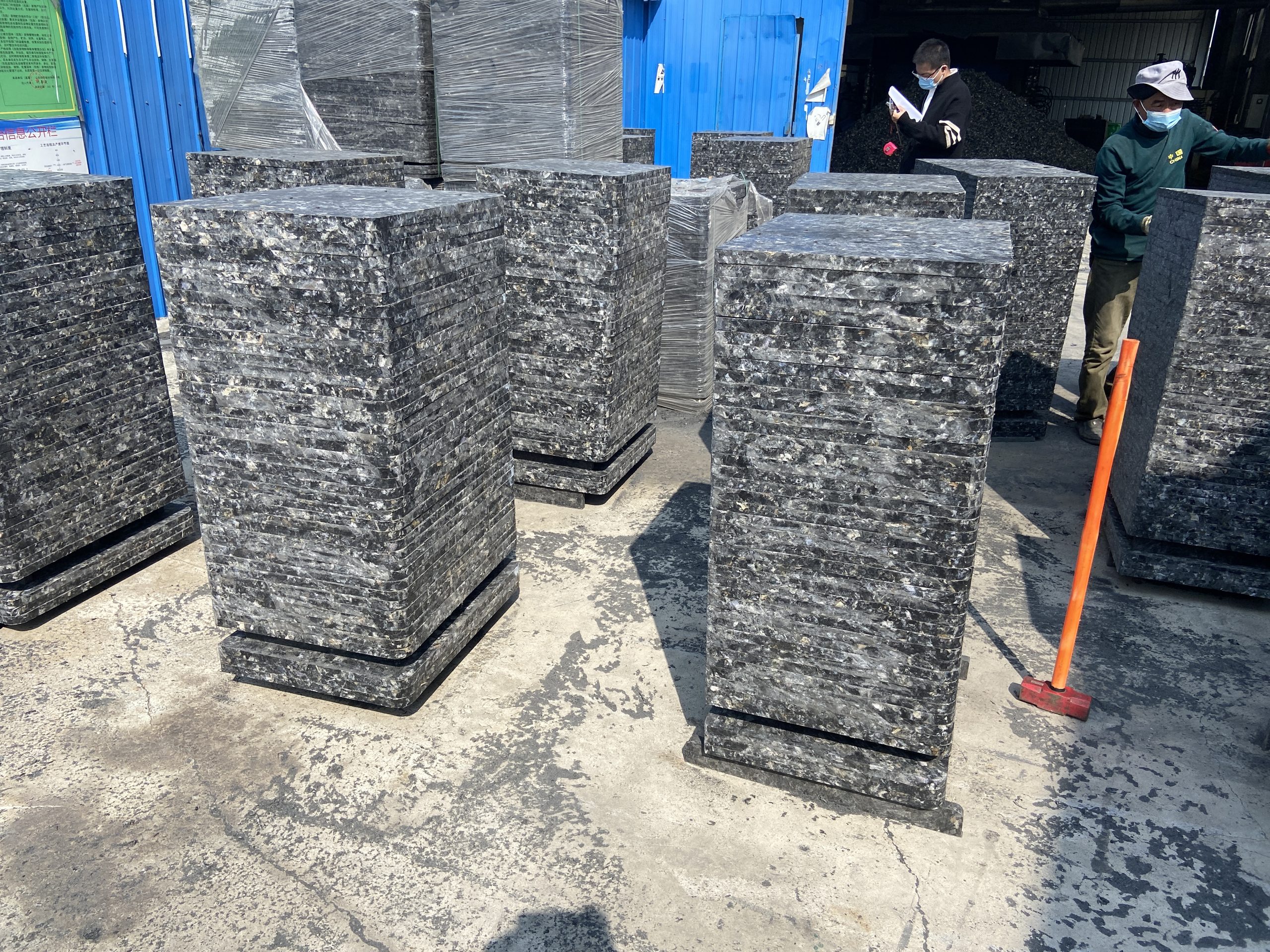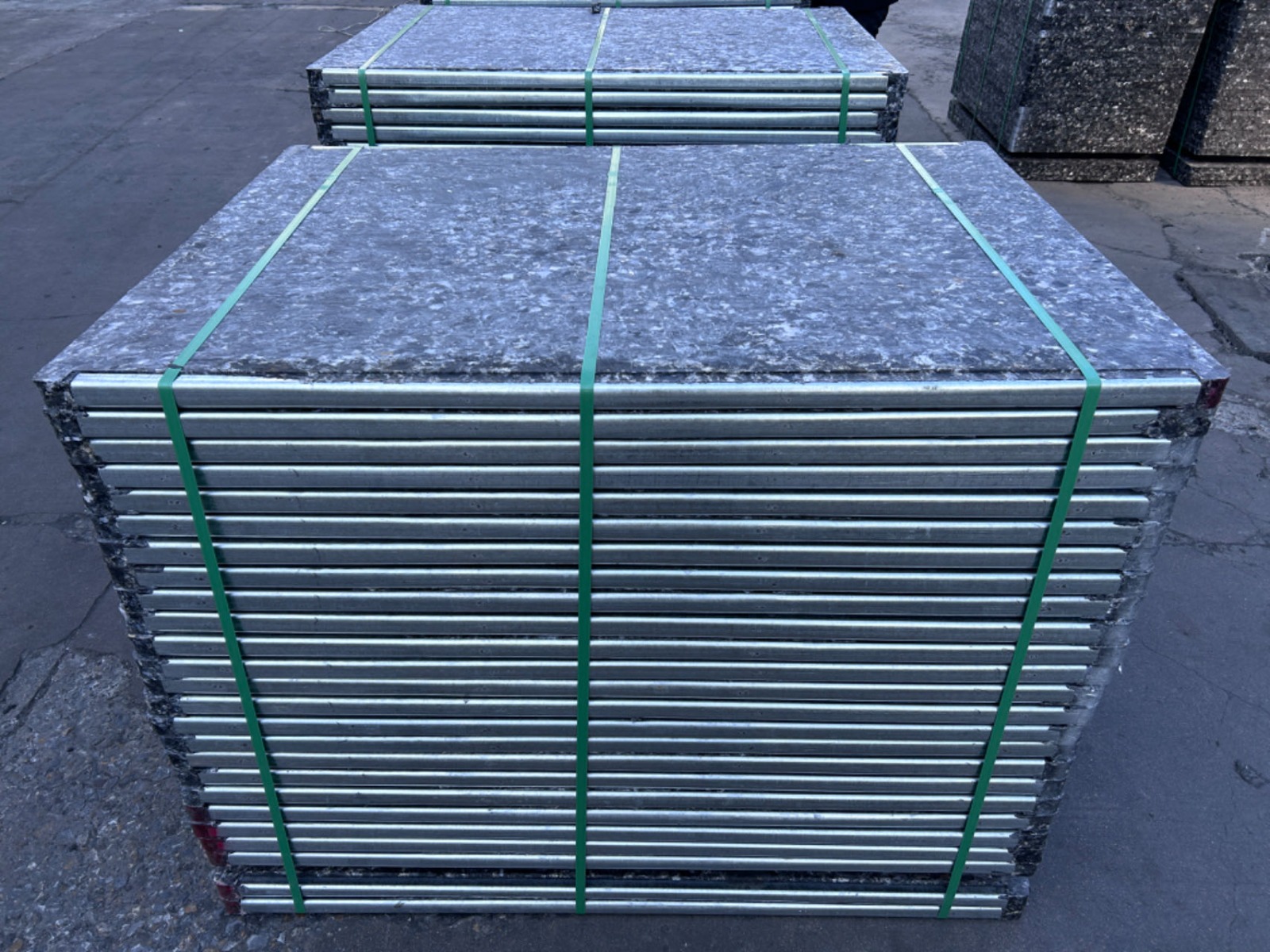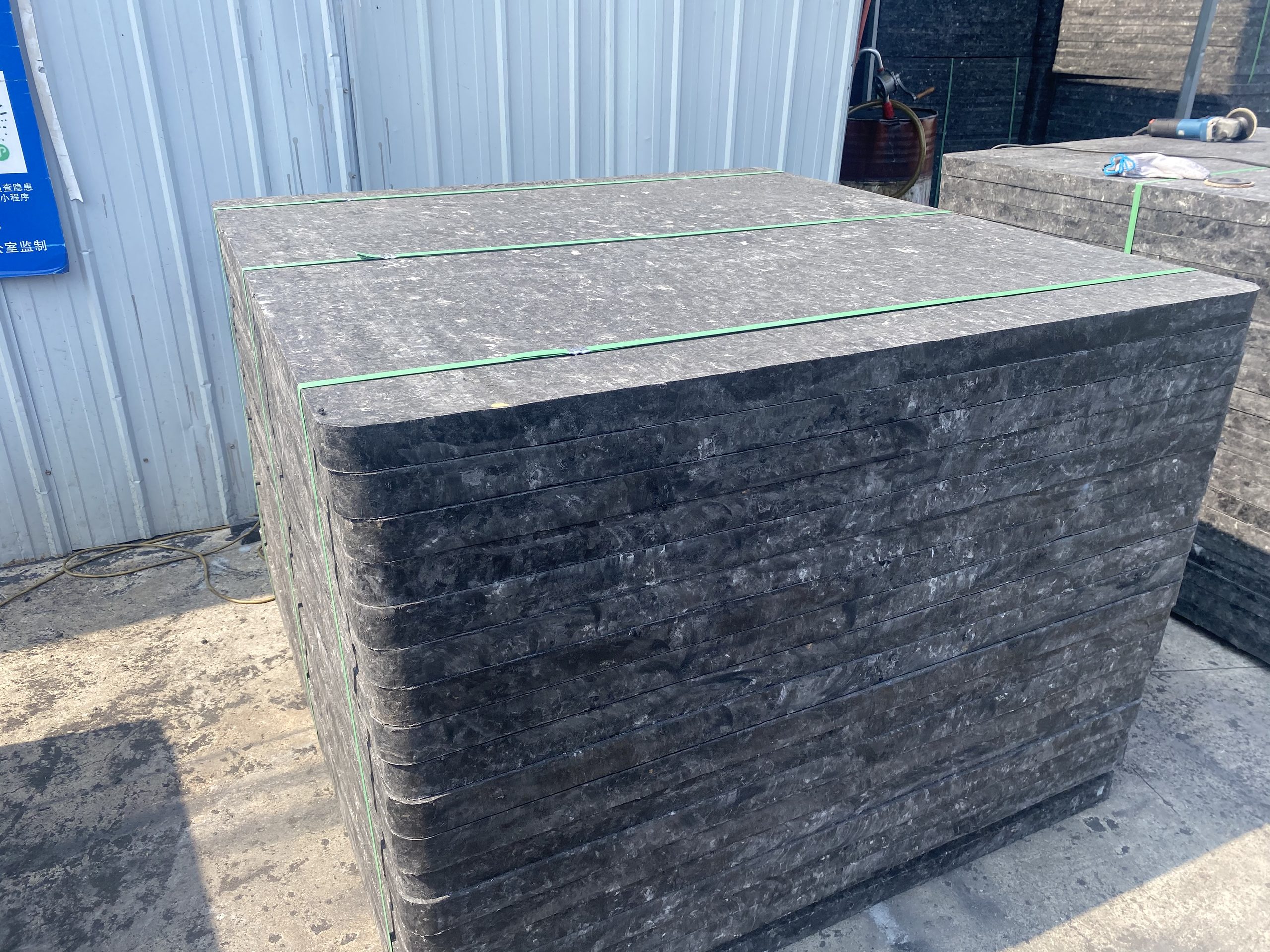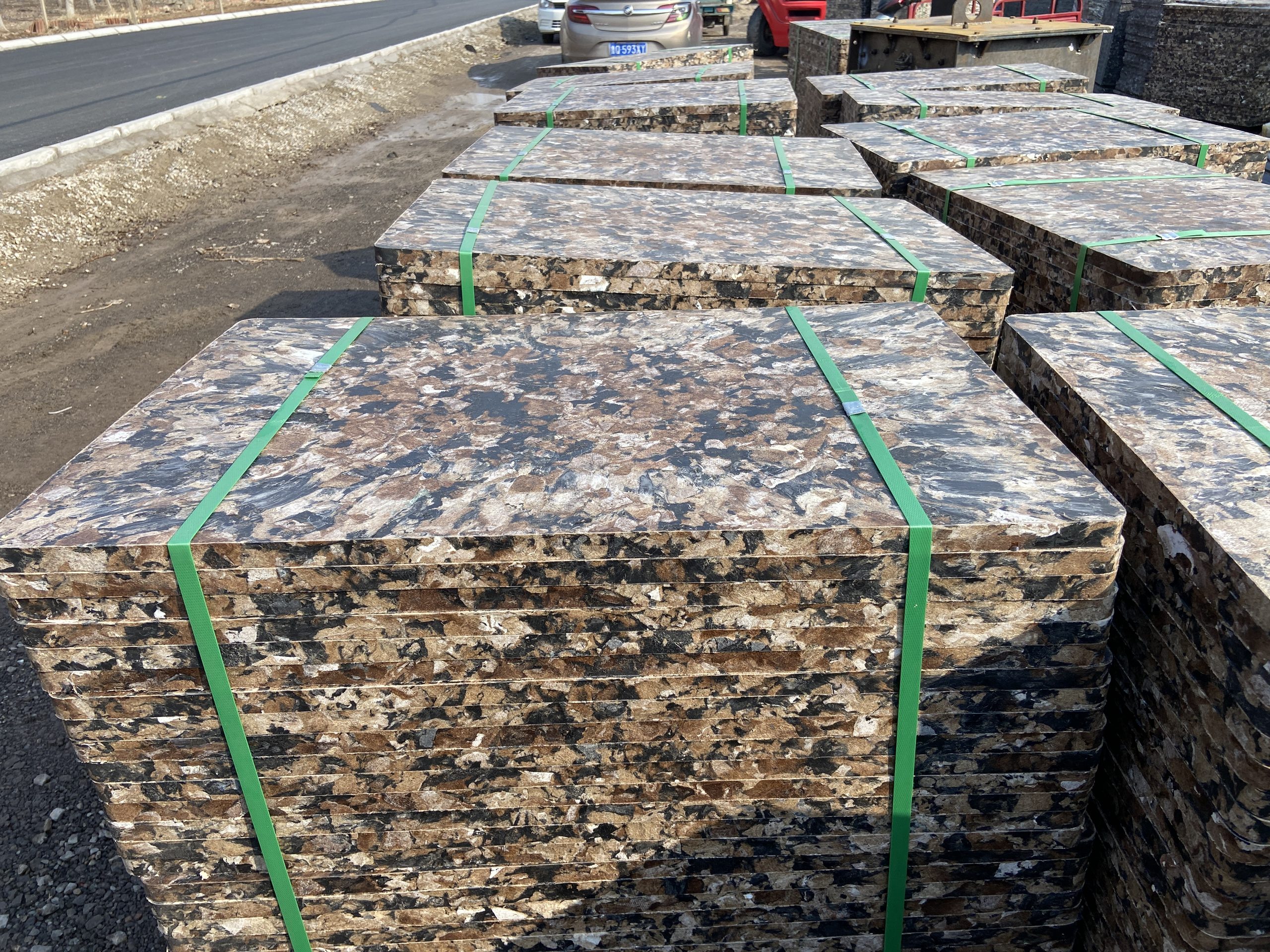
The global bricklaying robot market is projected to surge from $34.5 million in 2026 to $293.9 million by 2034, driven by automation adoption. The pallets supporting every brick are evolving from passive platforms into intelligent data nodes—tracking production metrics, predicting maintenance needs, and optimizing factory workflows through IoT connectivity that reduces operational costs by 15-25%.
This guide examines how RFID-enabled pallets, sensor-driven analytics, and cloud integration are reshaping brick production, delivering measurable ROI through breakage reduction, predictive maintenance, and production optimization.

Smart Pallet Technology: Core IoT Components
Industry 4.0 adoption in manufacturing reached 47% worldwide by early 2026. Smart pallets embed four core technologies:
RFID identification provides unique digital identity. Ultra-high frequency (UHF) tags embedded in GMT composite pallets transmit codes to readers at production checkpoints. These passive tags require no batteries, activating when passing through reader fields.
Sensor payloads capture operational data. Weight sensors monitor load distribution, temperature sensors track thermal exposure during curing, accelerometers identify rough handling, and humidity sensors flag moisture accumulation where composite pallets outperform wood alternatives.
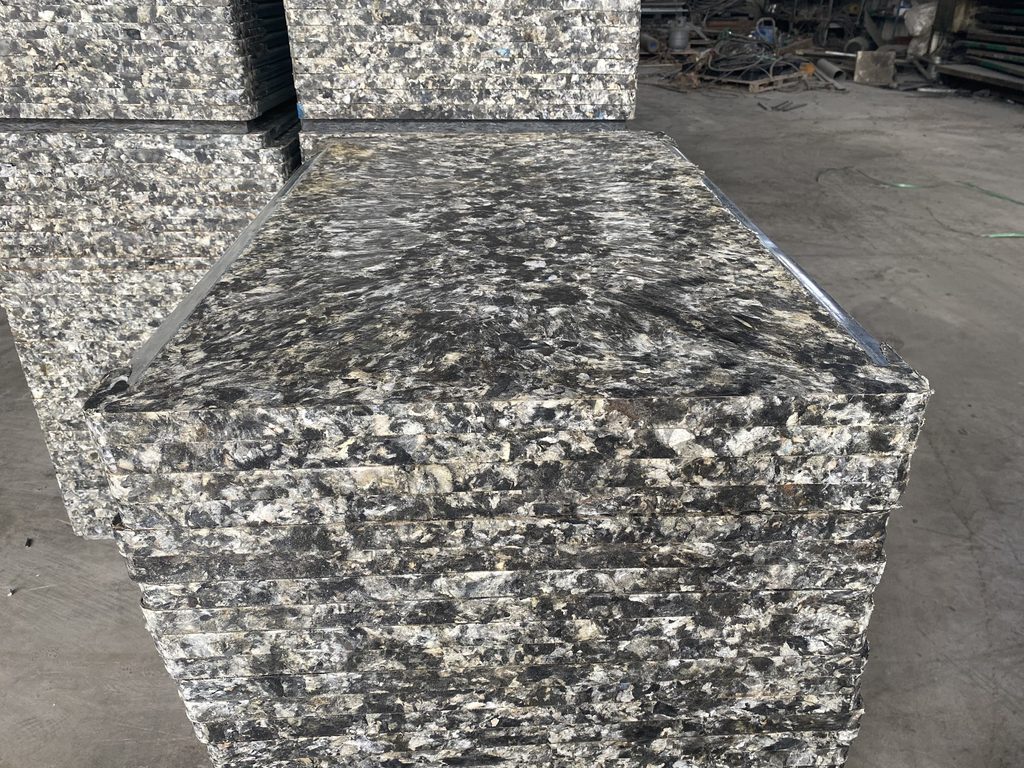
Wireless communication transmits data to factory networks via 5G private networks or Wi-Fi 6, eliminating hardwired connections that constrain production line reconfiguration.
Edge computing processes data locally before cloud transmission, reducing bandwidth costs by 75-85% while maintaining full analytical capability.
| Component | Function | Power Source | Lifespan |
|---|---|---|---|
| UHF RFID Tag | Identification & location tracking | Passive (reader-powered) | 15-20 years |
| Weight/Temp Sensors | Load & thermal monitoring | Battery or energy harvesting | 3-5 years (battery) |
| Wireless Module (5G/Wi-Fi) | Data transmission | Battery or PoE | 3-7 years |
The technology stack balances functionality with harsh environment durability, surviving 3,000-5,000 production cycles over 10-12 year pallet lifespans.
RFID Tracking for Production Visibility
RFID implementation captures pallet movement from molding through shipping. Levvel’s concrete block production system demonstrates practical application: RAIN RFID readers mounted on cranes automatically track blocks as equipment relocates them.
Entry-level implementations position readers at three checkpoints: molding station exit, curing area entry/exit, and quality control stations. Advanced deployments add readers at every transition, creating comprehensive movement histories that identify bottlenecks.
The system integrates with WMS and ERP platforms, achieving 99.2%+ accuracy versus 8-12% error rates from manual logging.
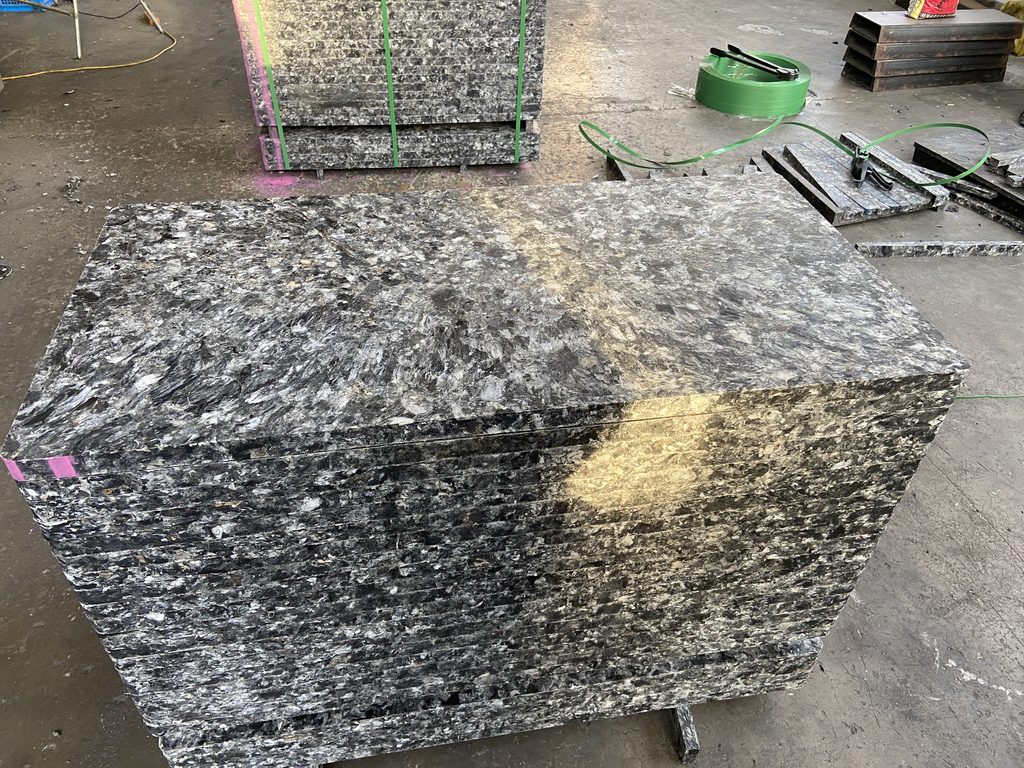
Data visibility transforms operations. When pallet #A-1247 shows 18-minute dwell in molding queue versus 6-minute targets, supervisors investigate immediately.
Implementation costs for 300-pallet fleets: $35,000-55,000 for basic three-checkpoint systems, $120,000-180,000 for comprehensive multi-point tracking. Payback periods of 14-22 months reflect reduced manual tracking labor, decreased pallet loss (2-4%), and faster cycles through bottleneck identification.
Sensor-Driven Quality Control
Temperature and humidity sensors address brick production’s primary quality challenge: curing uniformity. Concrete blocks require consistent 60-75°C exposure for 8-12 hours to achieve target compressive strength. Temperature variations of ±5°C create inconsistencies causing 12-18% rejection rates.
Thermal mapping identifies hot and cold zones. By logging temperature every 5-10 minutes, smart pallets generate heat distribution maps revealing variations. Operators adjust heater placement or modify stacking patterns—interventions improving curing uniformity by 55-70% based on quality research.
Moisture tracking prevents quality issues in humid climates where factories at 75-90% humidity struggle with concrete adhesion causing surface marks and 2-3% product damage.
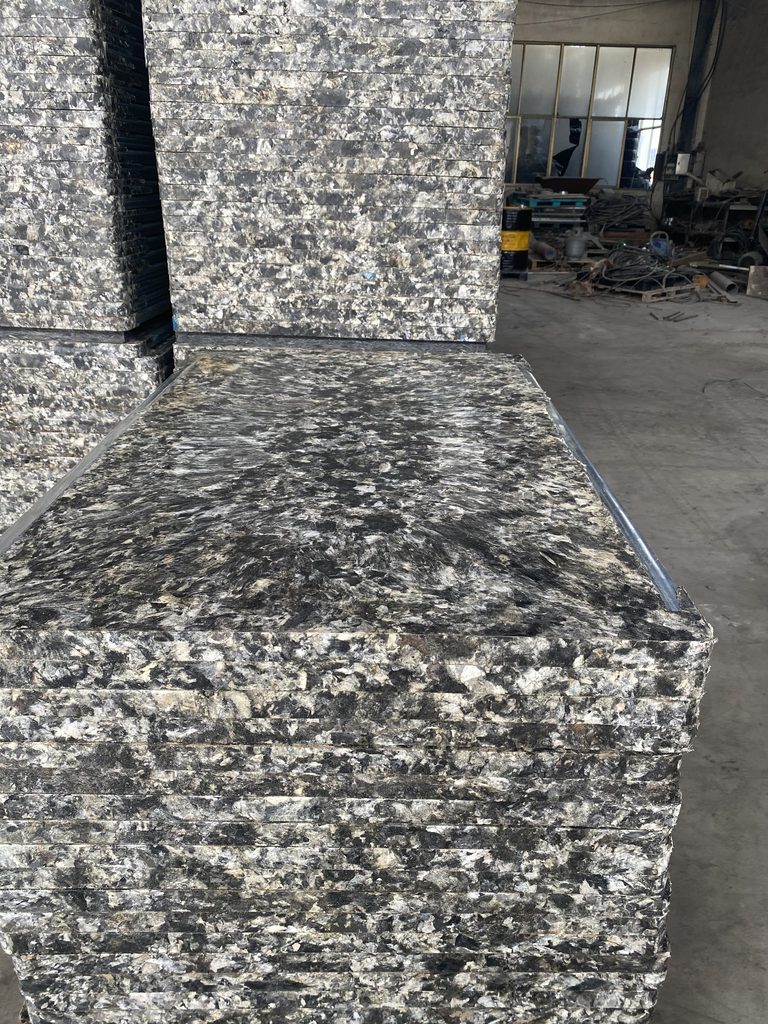
Weight sensors provide real-time quality assurance. Sudden 2-5% weight drops signal cracking or material separation, enabling immediate mix ratio adjustments rather than discovering defects during final inspection.
| Sensor | Measurement Range | Alert Threshold | Quality Impact |
|---|---|---|---|
| Temperature | 60-75°C (curing) | ±3°C from target | Strength uniformity, crack prevention |
| Humidity | 40-90% RH | >85% for 2+ hours | Surface quality, adhesion issues |
| Weight | 2500-3000 kg | >2% sudden drop | Crack detection, material loss |
| Vibration | 0-3G (handling) | >2G impact events | Physical damage, breakage risk |
Predictive Maintenance Through Data Analytics
Traditional pallet maintenance follows fixed schedules regardless of actual condition, wasting 20-30% of remaining life or missing early degradation. Predictive maintenance monitors condition continuously, scheduling interventions based on measured deterioration.
Smart pallets track three wear indicators: surface flatness, structural integrity, and thermal cycling exposure.
Surface warping manifests as uneven weight distribution. When GMT pallets with initially symmetric loads show 15-20 kg corner concentration, the system flags potential warping before brick defects occur.
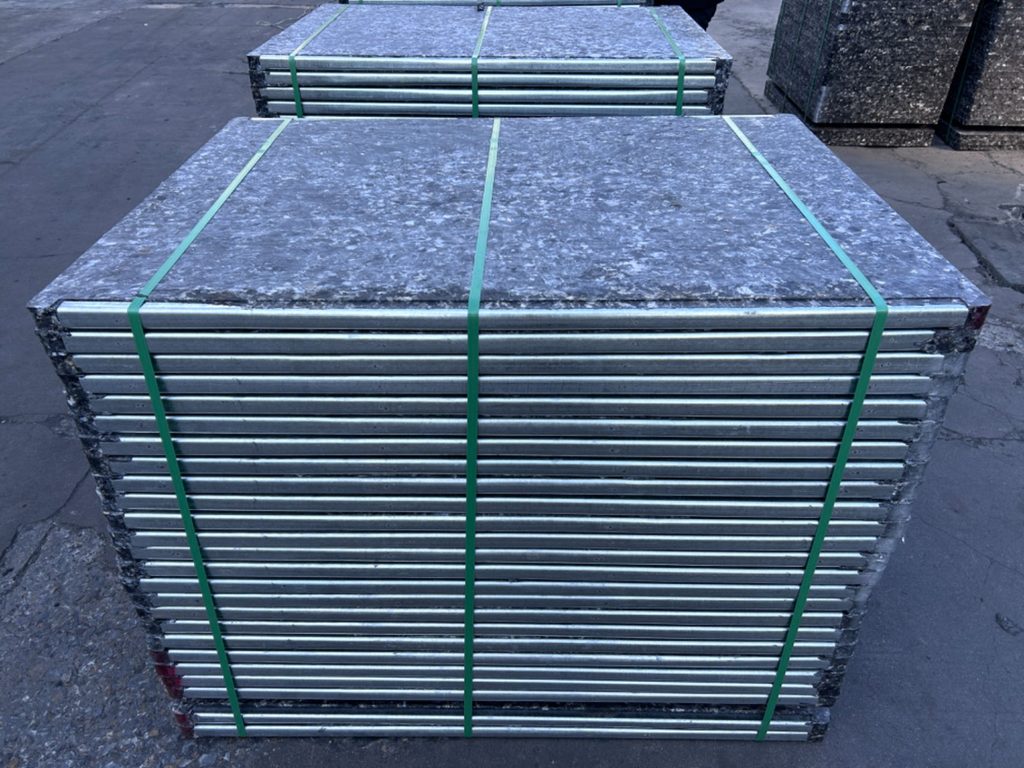
Vibration analysis detects micro-cracks before catastrophic failure. As fiber-resin bonding degrades, resonant frequency shifts. Machine learning algorithms predict failure 200-400 cycles in advance with 85-92% accuracy.
Thermal counting tracks cumulative heat exposure. While quality GMT pallets withstand 10,000+ cycles, exposure tracking models remaining service life.
Maintenance data also identifies systemic issues. When pallets servicing one machine show accelerated wear versus identical units on another, engineers investigate equipment rather than attributing failures to aging.
| Approach | Unexpected Failures/Year | Average Lifespan | Annual Maintenance Cost |
|---|---|---|---|
| Reactive | 12-18 | 6-8 years | High (emergency repairs) |
| Preventive | 4-6 | 8-10 years | Moderate (fixed schedule) |
| Predictive | 1-2 | 10-12 years | Low (optimized timing) |
Predictive maintenance ROI: 20-30% lifespan extension, 85-90% fewer mid-shift failures. Combined savings of $45,000-75,000 annually for 300-pallet operations justify implementation within 18-24 months.
Digital Twins and Production Optimization
Digital twin technology creates virtual factory replicas, simulating production flows to identify optimization opportunities. RFID data feeds pallet location every 30 seconds, creating real-time mirrors of factory status.
Scenario testing enables risk-free experimentation. When considering capacity expansion, managers simulate adding equipment versus extending hours. The digital twin reveals bottlenecks and optimal investment strategies.
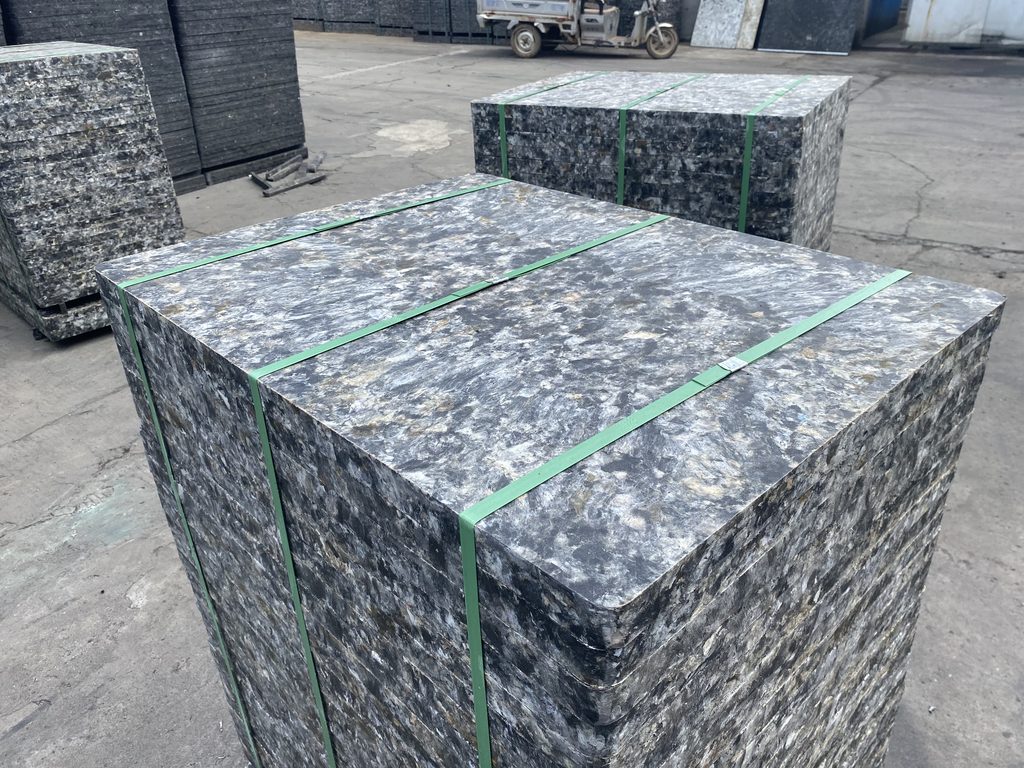
Fleet optimization determines optimal pallet composition. Models simulate different pallet mixes, showing mixed fleets deliver optimal cost efficiency—premium units in high-stress applications, economy units in lower-demand roles.
Multi-agent systems combined with digital twins handle distributed complexity in multi-line factories, enabling autonomous decision-making across production nodes.
5G and Edge Computing Infrastructure
5G private networks provide wireless connectivity with guaranteed quality of service. Three capabilities benefit brick factories:
URLLC delivers sub-10ms latency for real-time control. When automated systems lift brick-loaded pallets, weight sensors must transmit load data instantaneously. 5G’s consistent <5ms response reduces damage incidents by 40-55%.
mMTC supports 1 million devices per km²—essential for factories deploying comprehensive sensor networks with 400+ simultaneous connections.
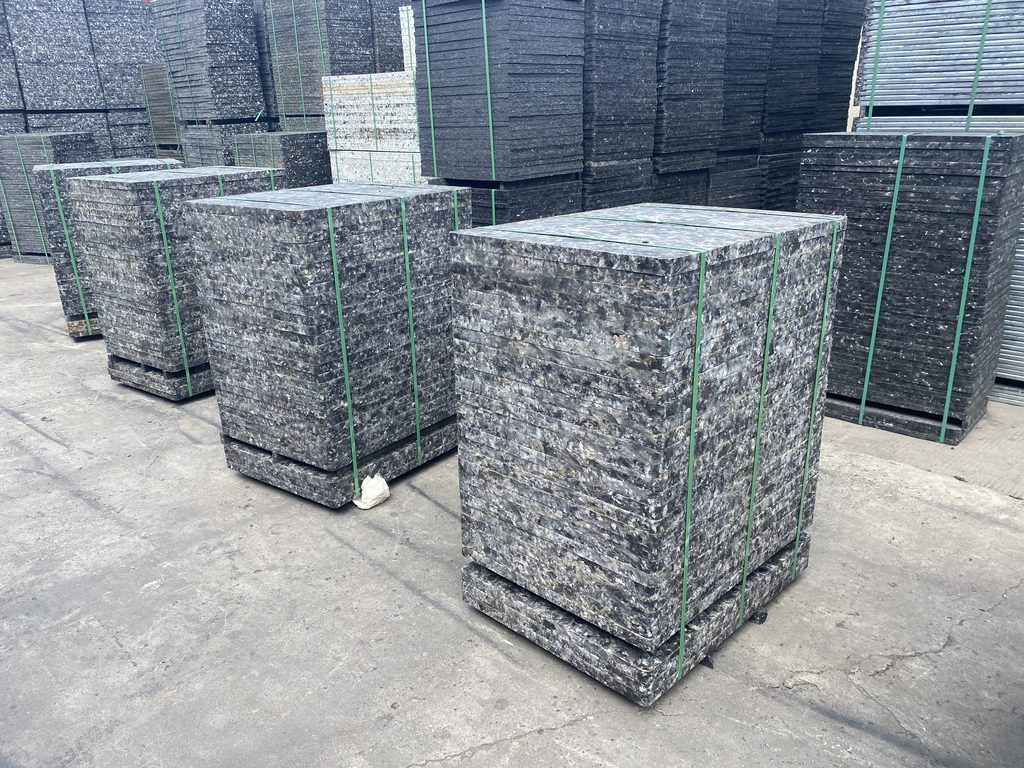
Edge computing processes sensor data locally, reducing bandwidth by 75-85%. Rather than streaming all sensor readings, edge servers analyze locally and transmit only anomalies. The architecture also enables autonomous operation during internet outages.
Implementation requires private 5G infrastructure: small cell radios, 5G core network, and edge servers. Total $150,000-280,000 becomes justified when supporting comprehensive automation—AGV fleets, robotic handling, automated inspection.
Implementation Roadmap and Challenges
Deploying smart pallet systems encounters four primary challenges:
Legacy equipment integration poses the first hurdle. Solution: protocol translation gateways bridge IoT platforms with legacy equipment, accepting RFID/sensor data via standard protocols (MQTT, OPC-UA), then translating outputs into formats older equipment understands.
Harsh environment durability challenges sensor survival. Industrial implementations require IP67-rated enclosures, conformal-coated circuit boards, and ruggedized packages. Composite GMT pallets offer advantages for sensor integration—fiber-reinforced thermoplastic construction allows embedding components during manufacturing.
Worker adoption determines operational success. Successful implementations reframe smart pallets as decision support tools enhancing human judgment—sensors flag anomalies for investigation, not autonomous action.
Data security concerns facilities connecting production to cloud platforms. Best practice implements network segmentation: IoT sensors operate on isolated OT networks with no internet access, while dashboards run on separate IT networks.
ROI Analysis: Investment vs Returns
Smart pallet investment requires $180,000-350,000 for comprehensive implementations in medium facilities (300-500 pallet fleets).
Initial investment breakdown:
- RFID infrastructure: $45,000-75,000
- Sensor packages: $55,000-95,000
- Communication (Wi-Fi 6 or 5G): $35,000-65,000
- Edge servers and software: $40,000-95,000
- Installation/training: $5,000-20,000
Annual recurring costs: $10,000-25,000 (cloud services, software maintenance, battery replacement).
Efficiency gains from six sources:
- Breakage reduction (15-25%): $4,200-11,000 annually
- Extended pallet life (30-40%): $12,250-16,350 annually
- Labor savings: $18,000-32,000 annually
- Reduced downtime (30-45%): $72,000-162,000 annually
- Quality improvement (2-3%): $2,800-6,600 annually
- Throughput optimization (8-12%): $8,400-26,400 annually
| Benefit | Annual Value | 10-Year NPV |
|---|---|---|
| Breakage reduction | $4,200-11,000 | $32,500-85,000 |
| Extended pallet life | $12,250-16,350 | $95,000-127,000 |
| Labor savings | $18,000-32,000 | $140,000-248,000 |
| Reduced downtime | $72,000-162,000 | $560,000-1,260,000 |
| Quality improvement | $2,800-6,600 | $22,000-51,000 |
| Throughput optimization | $8,400-26,400 | $65,000-205,000 |
| Total | $117,650-254,350 | $914,500-1,976,000 |
Conservative projections show 18-36 month payback, with 10-year net present value of $650,000-1,625,000 (8% discount rate).
FAQ
How do smart pallets communicate with factory systems?
Smart pallets use passive RFID tags for identification and wireless modules (5G, Wi-Fi 6, or LoRaWAN) for sensor data. RFID readers at checkpoints capture location and timing, while sensors transmit weight, temperature, and handling alerts to centralized platforms.
What is sensor lifespan in embedded pallets?
Battery-powered sensors last 3-5 years, energy-harvesting designs extend to 7-10 years, and passive RFID tags have 15-20 year lifespans. Sensor modules are replaceable during routine maintenance without full pallet replacement.
Can smart systems retrofit existing pallet fleets?
Yes. Composite GMT pallets accept surface-mounted tags and sensors. Retrofit costs: $180-320 per pallet versus $220-380 for new smart pallets.
What maintenance do smart pallets require?
RFID tags are maintenance-free. Battery sensors require replacement every 3-5 years ($15-35 per pallet). Annual sensor calibration maintains accuracy through automated factory QC procedures.
How does IoT integration affect pallet weight?
RFID tags add <5 grams. Complete sensor packages add 150-400 grams (<2% of typical 15-25 kg pallet weight), with no practical impact on handling equipment or load capacity.
What happens when sensors fail or provide incorrect data?
Systems implement redundancy and validation. Sensors cross-reference expected ranges—outliers trigger investigation. Failed sensors enter “degraded mode” where pallets continue with RFID tracking but without sensor monitoring.
How secure is transmitted data?
Industrial implementations use AES-256 encryption for wireless transmission and TLS 1.3 for cloud connectivity. Factory networks employ segmentation isolating production equipment (OT) from business systems (IT).
What minimum production scale justifies investment?
Facilities producing 200,000+ blocks monthly with 200+ pallet fleets typically achieve 24-36 month payback. Below this threshold, simpler RFID-only tracking ($35,000-55,000) provides location visibility without full sensor integration.
Conclusion
The convergence of RFID tracking, IoT sensors, and predictive analytics transforms brick manufacturing pallets from passive carriers into intelligent production assets monitoring quality, predicting failures, and optimizing workflows. While comprehensive systems require $180,000-350,000 investment, efficiency gains—15-25% breakage reduction, 30-45% downtime decrease, 8-12% throughput improvement—deliver 18-36 month payback with 10-year NPV exceeding $650,000-1,625,000.
The technology solves challenges manual tracking cannot address: identifying thermal variations before batch rejections, predicting pallet degradation 200-400 cycles before failure, revealing bottlenecks through continuous monitoring rather than periodic audits. As automation adoption accelerates toward the projected $293.9 million bricklaying robot market by 2034, smart pallets provide data infrastructure connecting automated equipment into cohesive manufacturing systems.
For manufacturers evaluating Industry 4.0 adoption, smart pallet systems represent practical entry points delivering measurable ROI while building sensor networks, data platforms, and analytical capabilities required for broader automation. The question shifts from whether to implement IoT integration to when and how—phased rollouts balancing investment with operational readiness.
If you need durable, long-lasting pallets compatible with IoT integration for brick manufacturing, Rhinos Pallet offers GMT fiber-reinforced composite pallets with 10+ year lifespan, <1% moisture absorption, and sensor-ready construction. Our complete product line supports both manual and automated production lines with specifications optimized for smart factory integration.
Contact us today for custom pallet solutions and smart manufacturing implementation guidance.
Sources:
- Bricklaying Robot Market Growth Projections 2026-2034
- Forbes: 2026 Manufacturing Automation and AI
- Levvel RAIN RFID Concrete Block Tracking
- 5G for Factory Wireless Communication
- Digital Twin Predictive Maintenance Framework
- Multi-Agent Systems for Digital Twins
- 5G and Manufacturing System Convergence
- Private 5G Networks for Industrial IoT