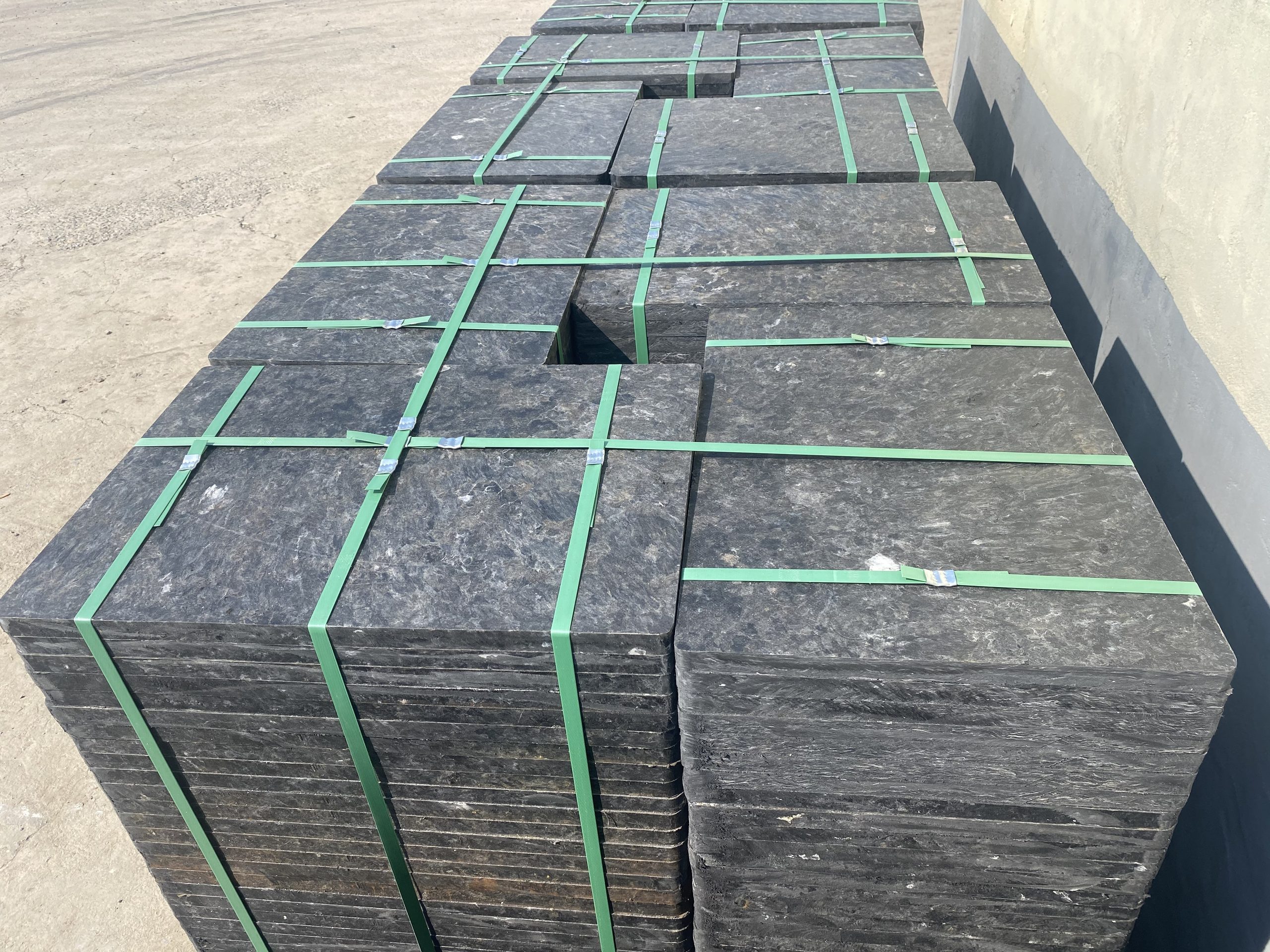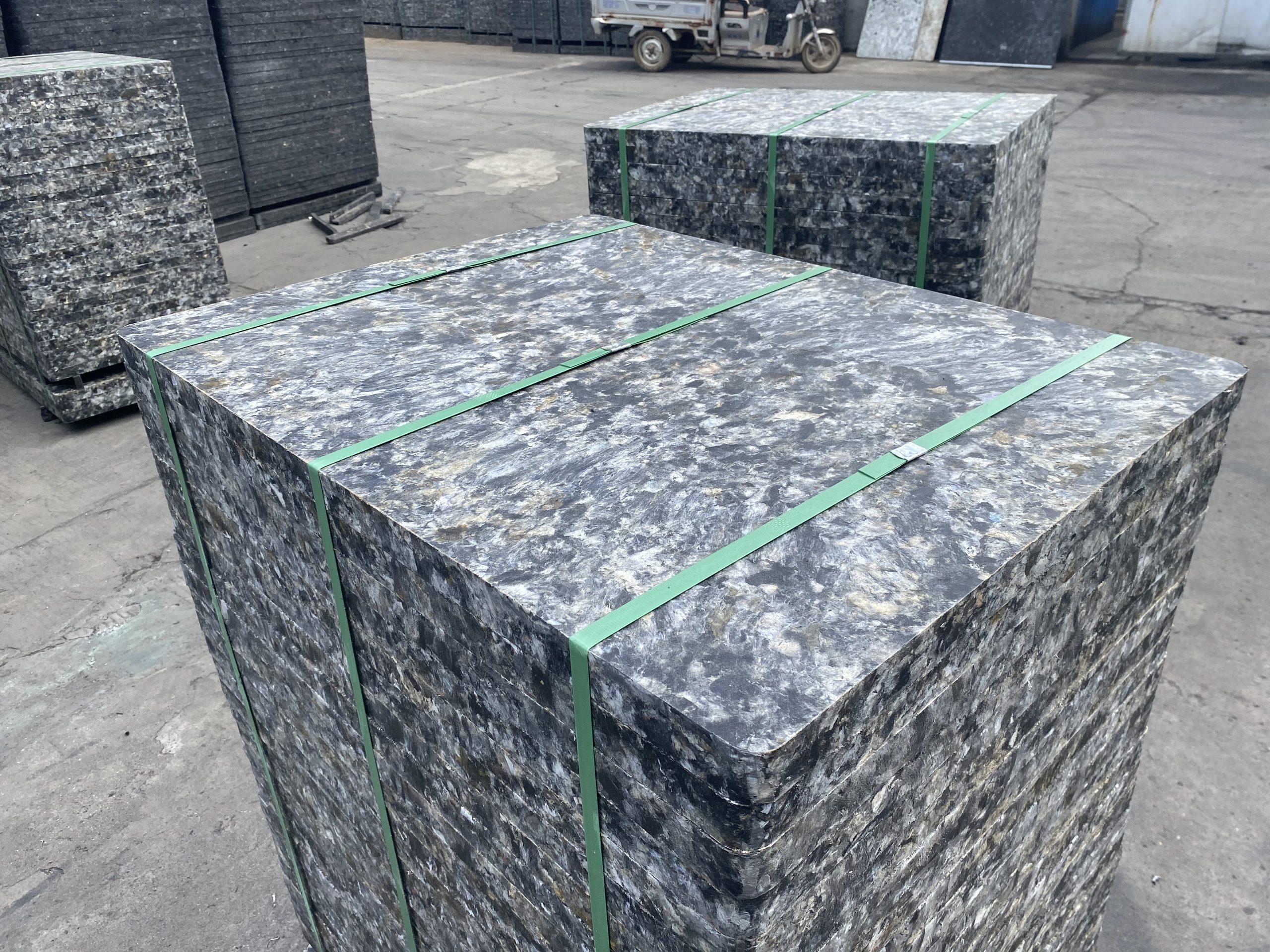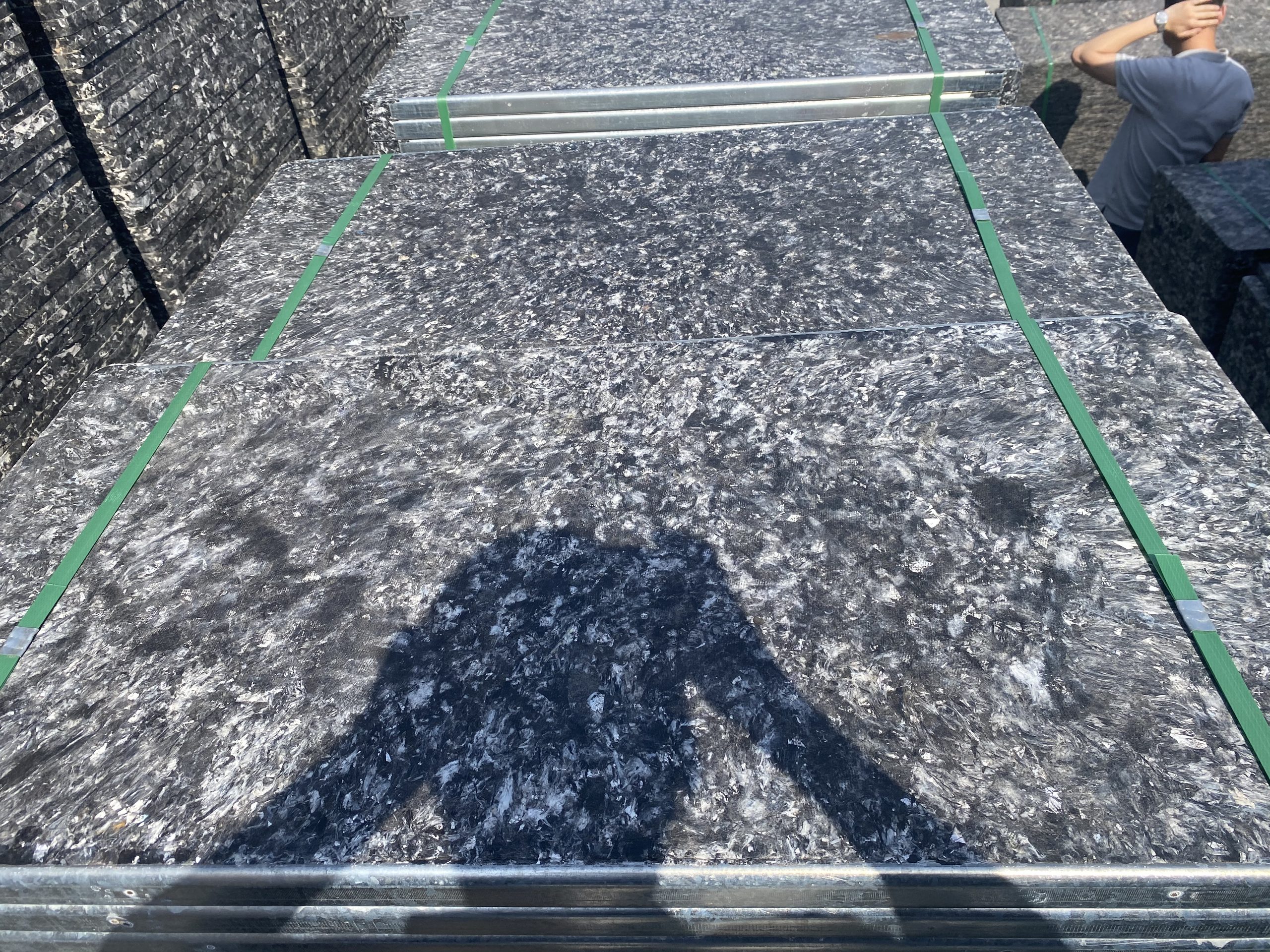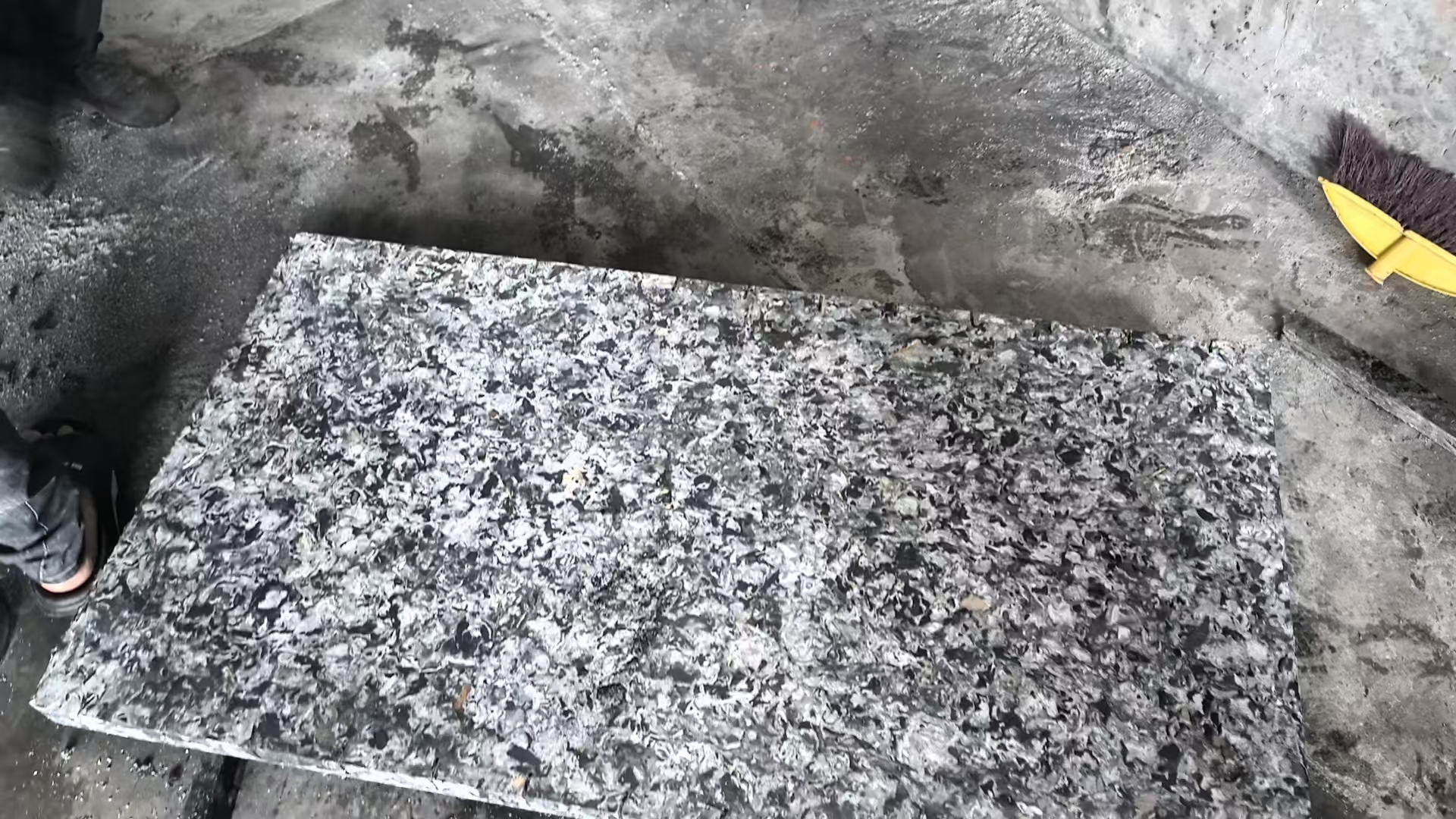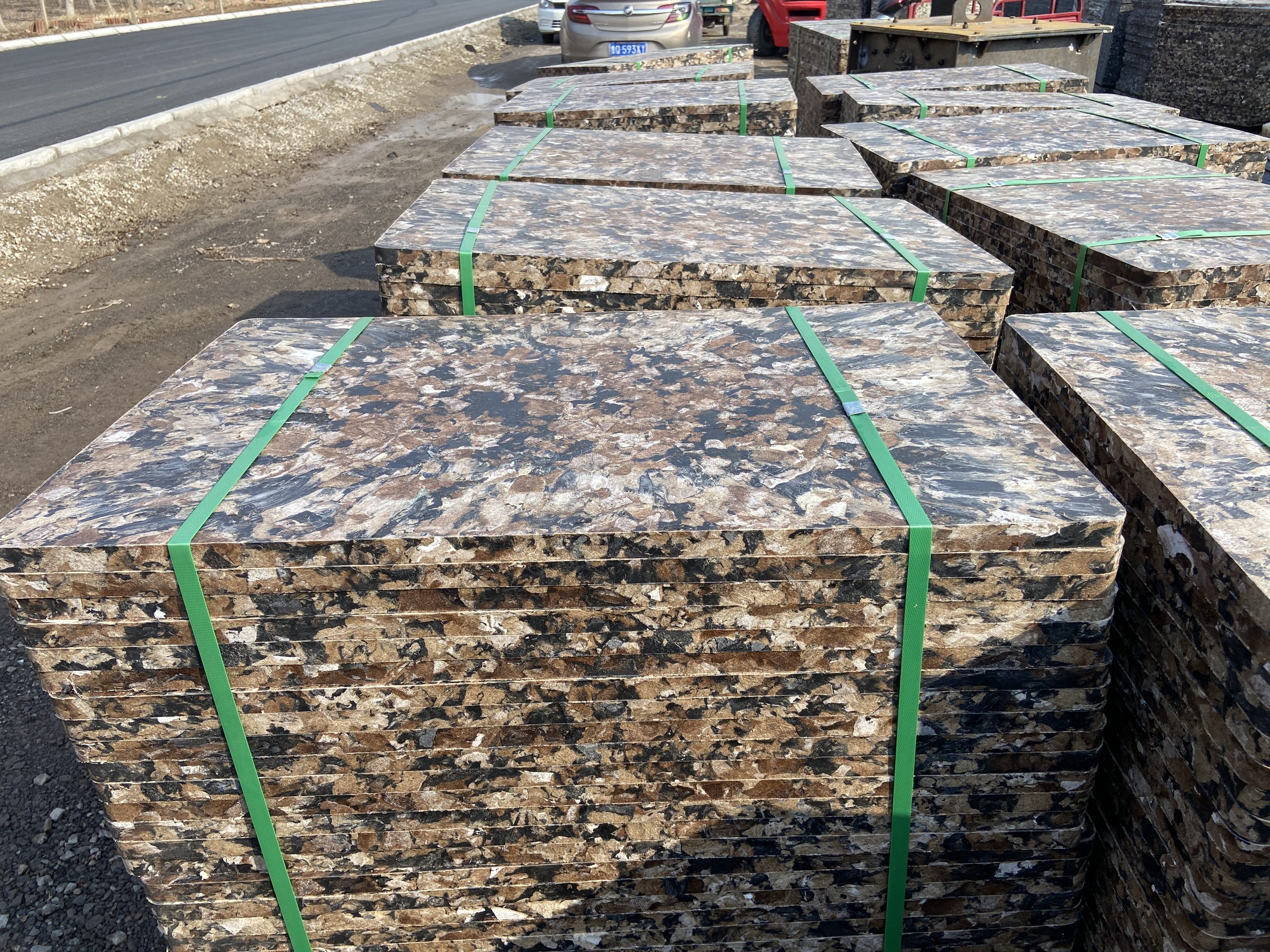
Brick manufacturers waste $12,000-$28,000 annually per production line through inefficient pallet rotation—pallets sitting idle while others face excessive wear, replacement costs mounting from uneven usage, and production delays when high-wear units fail unexpectedly. Factory data shows operations without structured rotation systems replace pallets 40% more frequently than facilities implementing systematic rotation protocols.
This guide delivers proven pallet rotation strategies used by high-efficiency brick production facilities achieving 10+ year GMT pallet lifespans. You’ll learn rotation scheduling methods, fleet tracking systems, usage optimization techniques, and maintenance integration that extends service life by 35-50% while reducing operational costs.
Understanding Pallet Rotation in Brick Manufacturing {#understanding-pallet-rotation}
Pallet rotation refers to the systematic cycling of pallets through your production line to ensure even wear distribution across your entire fleet. Unlike logistics pallet rotation focused on inventory movement, brick manufacturing rotation optimizes physical pallet usage and structural longevity.
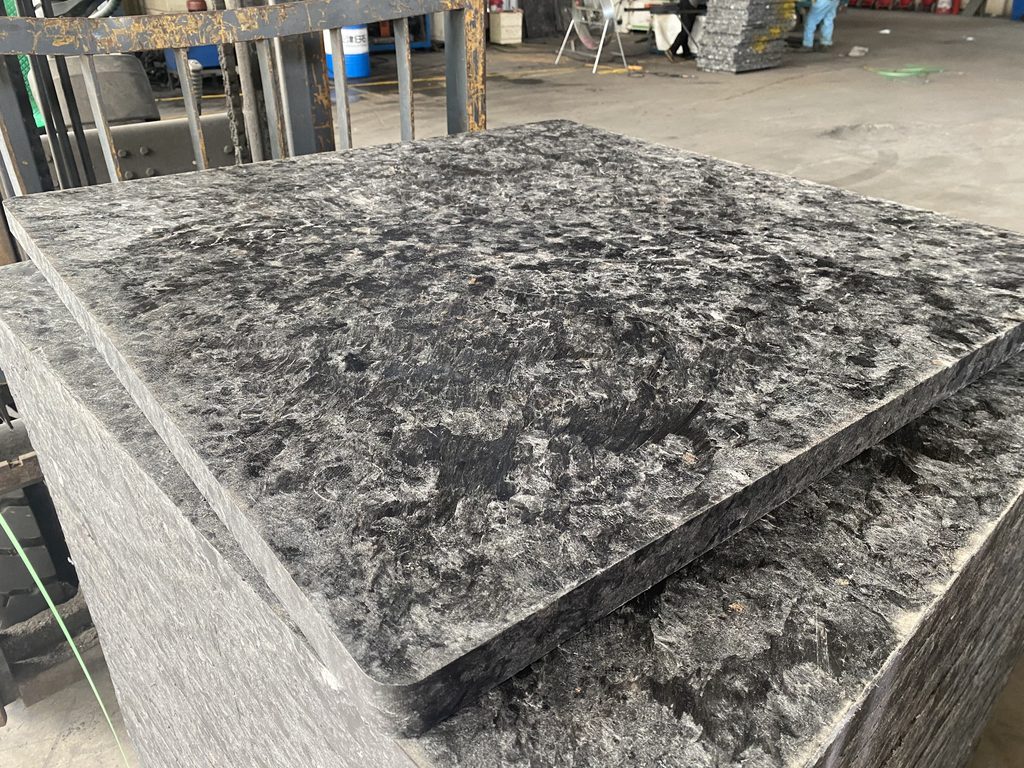
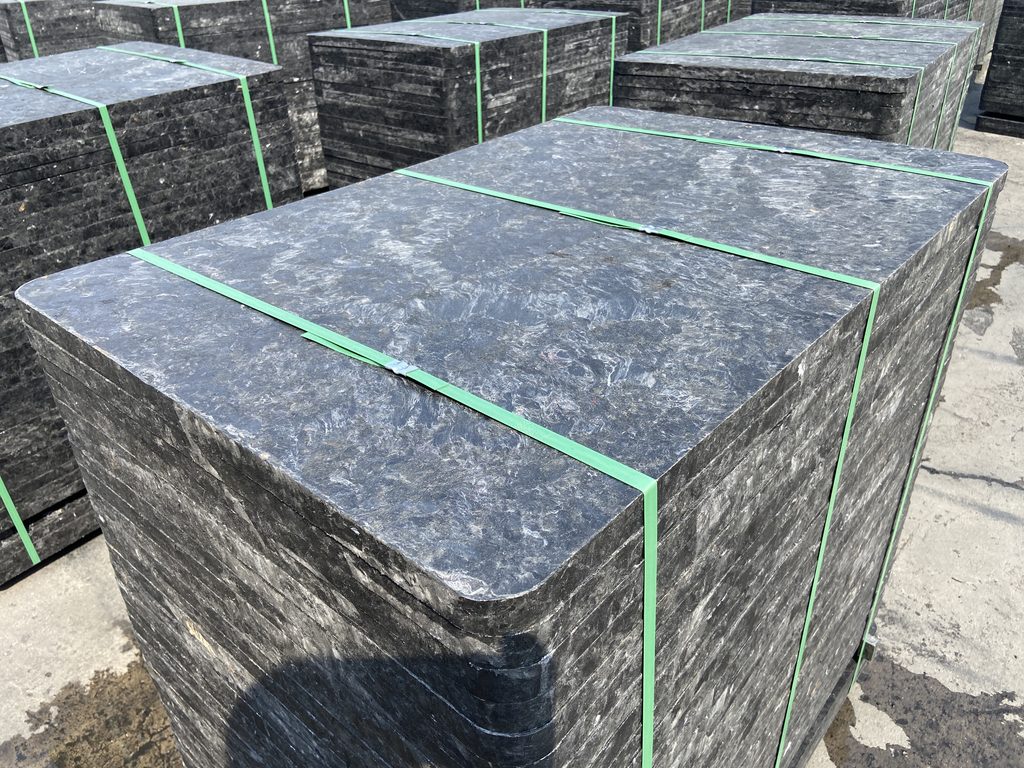
GMT (Glass Mat Thermoplastic) pallets in brick production experience mechanical stress from molding pressure, thermal cycling during curing, and handling equipment contact. Without rotation, the same 20-30% of your fleet handles 60-70% of production cycles, creating dramatically uneven wear patterns that force premature replacement of heavily-used units while others remain underutilized.
Rotation systems distribute production cycles evenly across all pallets in your fleet. A 500-pallet operation producing 50,000 bricks daily should cycle each pallet through approximately equal usage over weekly or monthly periods, rather than running the most accessible pallets continuously until failure.
The fiber-reinforced composite construction of GMT pallets provides 8-10 year lifespan under balanced usage conditions. Uneven distribution can reduce this to 3-4 years for heavily-cycled units while lightly-used pallets show minimal wear—wasting both replacement costs and fleet capacity.
Why Rotation Systems Matter for Fleet Longevity {#why-rotation-matters}
Systematic rotation delivers measurable operational and financial benefits that compound over your pallet fleet’s service life. The impact extends beyond simple lifespan extension to production reliability and cost predictability.
Extended Overall Fleet Lifespan
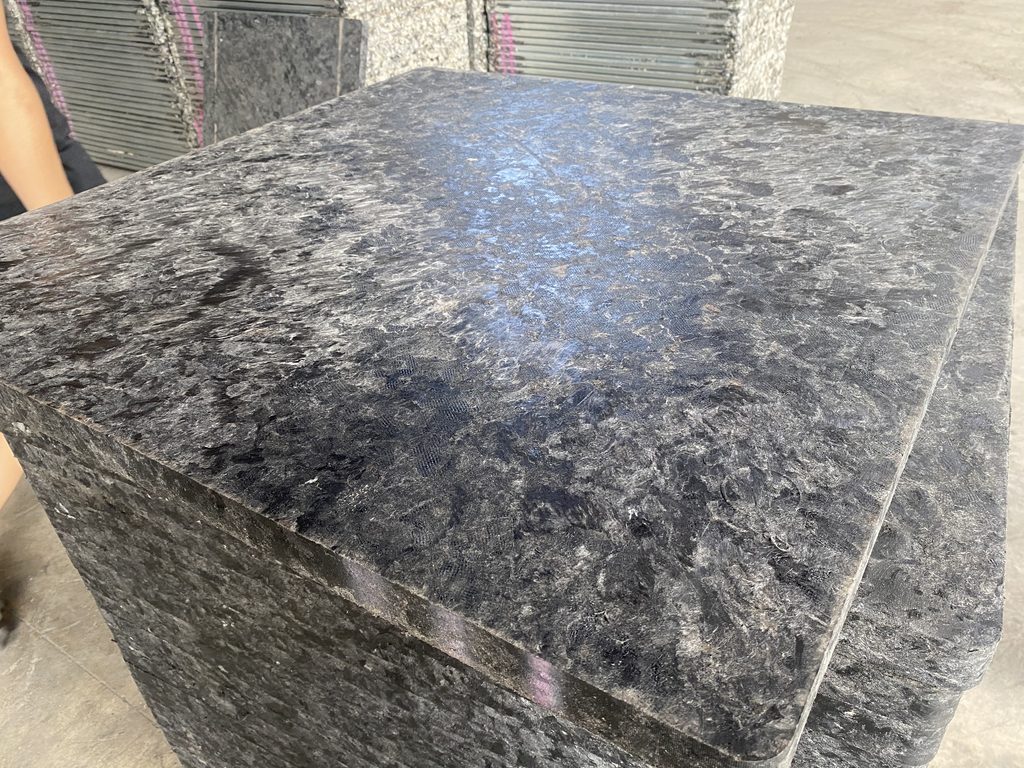
Balanced wear distribution extends average fleet life from 5-6 years to 8-10 years for GMT pallets. One automated brick facility tracked 400 pallets over 7 years—rotation implementation increased median lifespan from 4.8 years to 9.2 years, reducing annualized replacement costs by 63%.
The mathematics are straightforward: 500 pallets at $95 each replaced every 5 years costs $9,500 annually. Extending lifespan to 9 years through rotation reduces annual cost to $5,278—saving $4,222 per year per 500-pallet fleet without changing pallet quality or production volume.
Predictable Replacement Scheduling
Even wear enables accurate replacement forecasting. You can schedule pallet procurement based on fleet age rather than reacting to unexpected failures. This prevents production delays from pallet shortages and enables bulk purchasing negotiations that reduce per-unit costs by 12-18%.
Operations without rotation experience clustered failures as heavily-used pallets fail simultaneously after similar usage cycles. Rotation spreads replacement needs evenly across fiscal periods, improving budget predictability and cash flow management.
Reduced Emergency Replacement Costs
Emergency pallet orders typically cost 25-40% more than planned purchases due to expedited shipping, small order quantities, and reduced supplier negotiation leverage. Rotation systems minimize emergency orders by preventing sudden fleet capacity drops from multiple simultaneous failures.
| Rotation Impact | Without Rotation | With Systematic Rotation | Improvement |
|---|---|---|---|
| Average Pallet Lifespan | 4-6 years | 8-10 years | +67% to +100% |
| Annual Replacement Rate | 16-25% of fleet | 10-12% of fleet | 40% reduction |
| Emergency Orders | 4-6 per year | 0-1 per year | 83% reduction |
| Cost Predictability | High variance | Low variance | Stable budgeting |
| Production Downtime | 8-12 hours/year | 1-2 hours/year | 85% reduction |
Optimized Production Capacity
Rotation ensures your full pallet fleet remains production-ready rather than having portions sitting idle or prematurely worn. A 600-pallet facility might effectively operate with only 400 pallets due to uneven usage—rotation unlocks that dormant 200-pallet capacity without additional investment.
Core Rotation Strategies: FIFO vs Zone-Based Systems {#core-rotation-strategies}
Two primary rotation philosophies dominate brick manufacturing: First-In-First-Out (FIFO) sequential rotation and zone-based rotation. Your optimal approach depends on production line configuration, automation level, and fleet size.
FIFO Sequential Rotation
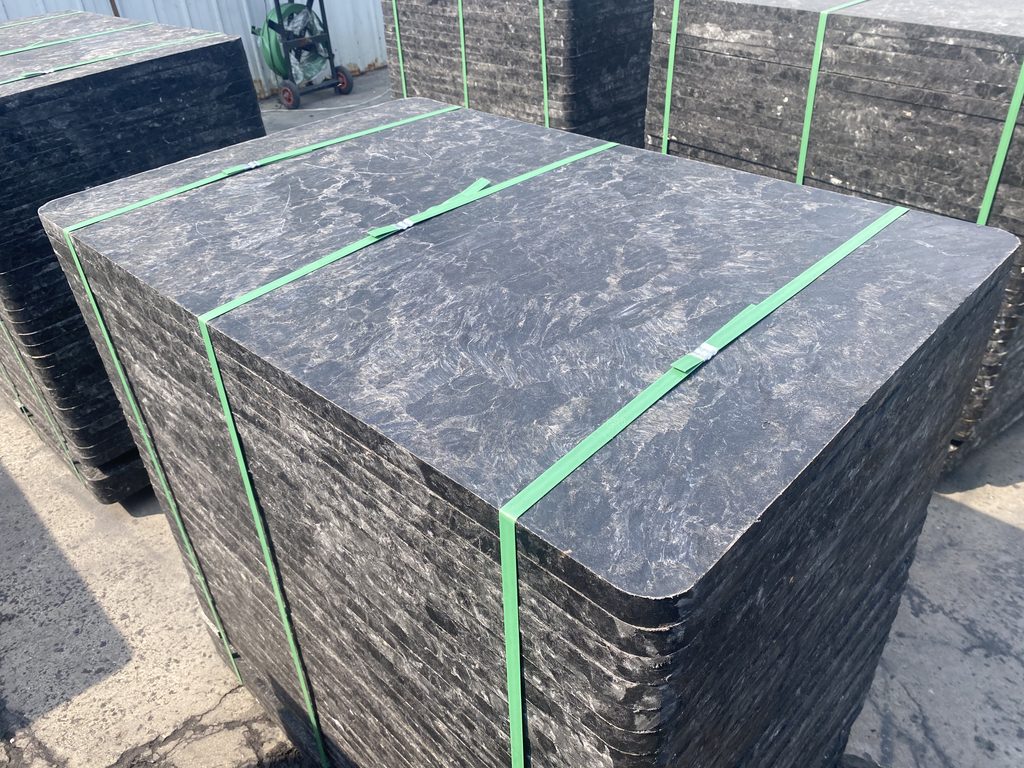
FIFO rotation ensures pallets enter production in the exact order they completed previous cycles. The oldest rested pallet always enters production next, guaranteeing perfectly even usage distribution across your entire fleet.
Implementation Method:
You establish a physical queue where pallets exiting production move to the back of the staging area while pallets entering production draw from the front. This requires dedicated staging space equal to 15-20% of your active production pallets to maintain queue flow without bottlenecks.
Modern operations use automated pallet handling systems with rotation mechanisms that physically turn and position pallets according to FIFO protocols. These systems integrate conveyor infrastructure with tracking to maintain queue integrity at production speeds of 1,260-1,800 units per hour.
Best Applications:
- Automated production lines with conveyor integration
- Facilities with 200-800 pallet fleets
- Operations prioritizing maximum lifespan equality
- Single-product production runs
Limitations:
FIFO requires disciplined queue management. Any queue interruption—pulling pallets out of sequence for inspection, using wrong staging areas—compromises rotation effectiveness. Labor-intensive for manual operations lacking automated handling systems.
Zone-Based Rotation
Zone rotation divides your pallet fleet into 3-5 groups that rotate through production on weekly or bi-weekly schedules. All pallets in Zone A work production Week 1, Zone B works Week 2, and so on, with inactive zones in maintenance staging.
Implementation Method:
You physically mark pallets by zone using colored edge tape, stamped identifiers, or RFID tags. Each zone contains 20-25% of total fleet capacity. Production staff draw exclusively from the active zone’s staging area, with zone changes occurring during planned downtime or shift transitions.
Zone Sizing Example for 500-Pallet Fleet:
- Zone 1 (Red): 125 pallets—Weeks 1, 5, 9, 13
- Zone 2 (Blue): 125 pallets—Weeks 2, 6, 10, 14
- Zone 3 (Yellow): 125 pallets—Weeks 3, 7, 11, 15
- Zone 4 (Green): 125 pallets—Weeks 4, 8, 12, 16
Best Applications:
- Manual or semi-automated production lines
- Facilities with 300+ pallet fleets
- Operations with weekly maintenance schedules
- Multi-shift operations needing shift-change rotation points
Advantages:
Zone rotation works without specialized handling equipment. Maintenance staff can inspect and clean entire zones during their rest periods. Simpler training for production staff—they simply use pallets from the designated active zone without tracking individual pallet history.
Hybrid Rotation Approaches
Large facilities often combine approaches: FIFO within each zone for daily distribution, with zone rotation providing weekly/monthly cycling. This balances FIFO’s precision with zone rotation’s operational simplicity.
You can also implement priority rotation where pallets showing early wear indicators cycle out of heavy-use positions into lighter-duty applications until maintenance addresses issues—extending functional life while preventing catastrophic failures.
Implementing a Tracking System for Your Pallet Fleet {#implementing-tracking-system}
Effective rotation requires knowing where each pallet is, how many cycles it has completed, and when it last received maintenance. Modern tracking systems range from simple manual logs to RFID-enabled automated monitoring.
Manual Tracking Systems
Small operations (under 200 pallets) can implement effective rotation using physical tracking methods. Mark each pallet with a permanent ID number using engraved stamps or heat-branded identifiers that survive production conditions.
Log Sheet Method:
Maintain a daily production log recording pallet IDs entering production each shift. A simple spreadsheet tracks cumulative cycles per pallet, last use date, and maintenance history. Sort by cycle count weekly to identify pallets due for rotation priority or maintenance inspection.
Visual Staging Method:
Paint zone identifiers directly on pallet edges using industrial epoxy paint that withstands cleaning chemicals. Physical staging area organization enforces rotation—active zone occupies primary staging, inactive zones in designated secondary areas.
Manual systems work effectively up to approximately 300 pallets before administrative burden becomes excessive. Beyond this threshold, automated tracking delivers better accuracy and reduced labor costs.
RFID Tracking Systems
Radio-frequency identification provides automated tracking without line-of-sight requirements or manual scanning. Embed passive RFID tags in pallet edges during manufacturing or retrofit existing fleets using adhesive-mounted tags rated for industrial environments.
System Components:
- Passive RFID tags (one per pallet): $2-5 per tag with 10+ year lifespan
- Fixed RFID readers at production entry/exit points: $800-2,000 per location
- Integration software connecting readers to database: $3,000-8,000 depending on features
- Mobile RFID scanners for inventory verification: $500-1,500 per unit
RFID systems automatically log pallet cycles as units pass through production entry and exit points. Software generates usage reports, identifies pallets exceeding cycle thresholds, and flags units overdue for maintenance inspection—all without manual data entry.
One 800-pallet facility implementing RFID tracking reduced rotation management labor from 4 hours weekly to 15 minutes weekly while improving rotation accuracy from 78% to 97% (measured as pallets actually rotating according to schedule).
Barcode Systems
Barcode tracking offers middle-ground between manual logs and RFID systems. Laser-etched or epoxy-embedded barcodes survive production conditions while remaining scannable through typical concrete residue levels.
Implementation Approach:
Install fixed barcode scanners at production entry and exit points, or equip forklift operators with handheld scanners to log pallet movements. Integration with production management software provides real-time usage visibility and rotation scheduling.
Barcode systems cost 40-60% less than RFID but require line-of-sight scanning and more frequent scanner maintenance in dusty brick manufacturing environments. Suitable for operations with 200-600 pallet fleets seeking automated tracking without RFID investment levels.
Database Structure for Pallet Tracking
Regardless of tracking technology, your database needs these core fields per pallet:
| Field | Purpose | Example Values |
|---|---|---|
| Pallet ID | Unique identifier | P-0437, RED-B-128 |
| Date Acquired | Purchase/receipt date | 2024-03-15 |
| Total Cycles | Lifetime production cycles | 1,247 cycles |
| Last Used | Most recent production date | 2026-10-10 |
| Current Status | Location/condition | Production, Maintenance, Storage |
| Zone Assignment | Rotation zone | Zone 3, Red Group |
| Maintenance History | Service dates and type | 2026-08-12: Cleaned, edge repair |
| Replacement Due | Projected end-of-life | 2031-02-15 |
Advanced systems add fields tracking specific issues (crack locations, edge condition scores, surface flatness measurements) enabling predictive maintenance and early intervention before catastrophic failures.
Rotation Schedule Design for Different Production Volumes {#rotation-schedule-design}
Your rotation schedule must align with production volume, fleet size, and maintenance capacity. Mismatched schedules either under-rotate (defeating the purpose) or over-rotate (adding handling labor without lifespan benefits).
Calculating Required Rotation Frequency
Start with basic fleet mathematics. If you produce 50,000 bricks daily and each pallet holds 500 bricks during molding (100 production cycles daily), you need minimum 100 pallets in active circulation plus 15-20% buffer for maintenance/inspection rotation.
Rotation Frequency Formula:
Rotation Cycle Days = (Total Fleet Size / Active Production Pallets) × Buffer Factor

Example: (500 total pallets / 120 active pallets) × 0.85 buffer = 3.5 days per complete rotation
This calculation suggests each pallet should cycle through production approximately every 3-4 days for even distribution. Stretching this to weekly rotation (7 days) concentrates usage; tightening to daily rotation increases handling labor without proportional lifespan benefits.
Small Fleet Rotation (100-300 Pallets)
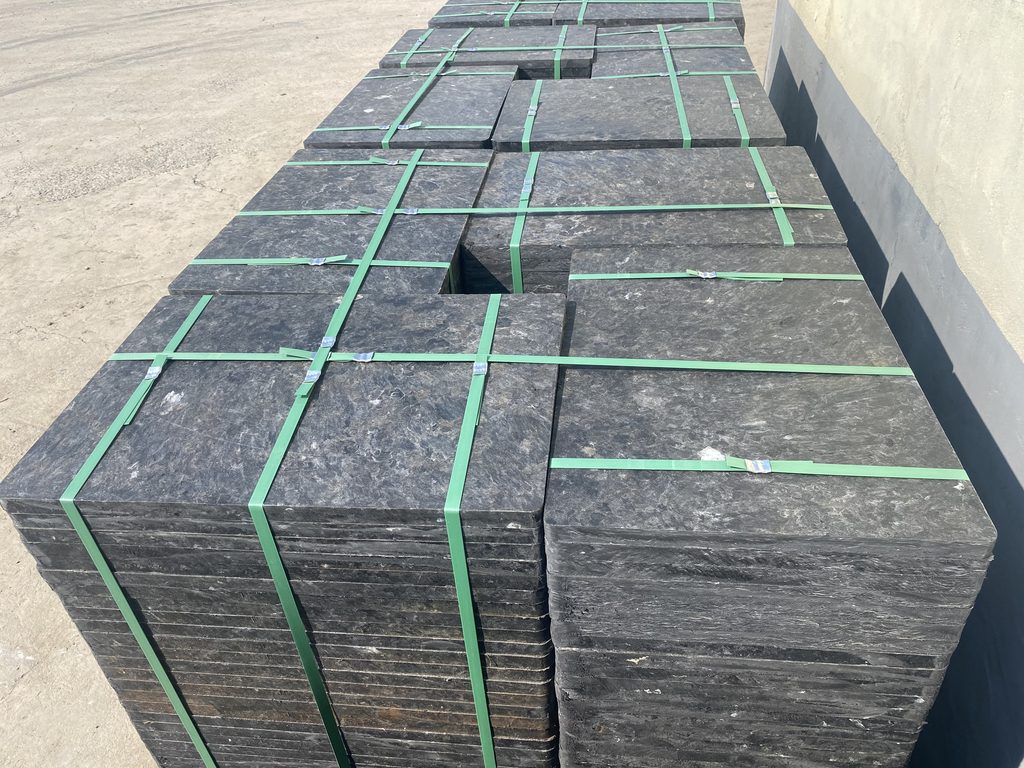
Small operations should implement simple weekly zone rotation with 4 zones. Each zone works one week per month, with weekly zone changes during planned maintenance periods or weekend shutdowns.
Weekly Schedule Example:
- Week 1: Zone A active (75 pallets)
- Week 2: Zone B active (75 pallets)
- Week 3: Zone C active (75 pallets)
- Week 4: Zone D active (75 pallets)
Maintenance crews inspect and clean inactive zones during their rest weeks. This provides 21 days rest between production periods—adequate for inspection, cleaning, and minor repairs while maintaining even wear distribution.
Medium Fleet Rotation (300-700 Pallets)
Medium-sized operations benefit from bi-weekly zone rotation with 6-8 zones. More granular rotation better matches larger fleet capacity while keeping zone changes manageable.
Bi-Weekly Schedule Example:
- Weeks 1-2: Zone 1 active (100 pallets)
- Weeks 3-4: Zone 2 active (100 pallets)
- Weeks 5-6: Zone 3 active (100 pallets)
- Continuing through 6 zones over 12-week cycle
This approach works well for facilities with multiple production lines or varying production schedules. You can activate multiple zones simultaneously for high-volume periods while maintaining rotation discipline during normal operations.
Large Fleet Rotation (700+ Pallets)
Large operations should implement hybrid FIFO-zone systems. Primary rotation uses 8-10 zones on weekly cycles, with FIFO sequencing within each active zone managing daily distribution.
Advanced Scheduling:
Divide your fleet into primary and reserve groups. Primary group (60-70% of fleet) handles standard production using zone rotation. Reserve group (30-40% of fleet) covers peak production periods and provides maintenance float capacity.
Track cumulative cycles across entire fleet using RFID or barcode systems. Software automatically flags pallets exceeding target cycle thresholds for rotation priority regardless of zone assignment—preventing outliers from accumulating excessive wear even with disciplined zone rotation.
One 1,200-pallet facility uses this hybrid approach: 750 primary pallets in 10 weekly zones plus 450 reserve pallets for peak periods and maintenance buffer. RFID tracking ensures no pallet exceeds 110% of fleet average cycles before forced rest rotation.
Integration with Maintenance Protocols {#integration-with-maintenance}
Rotation systems and maintenance schedules should integrate seamlessly—rotation rest periods providing dedicated maintenance windows while maintenance findings inform rotation adjustments.
Maintenance During Rotation Rest Periods
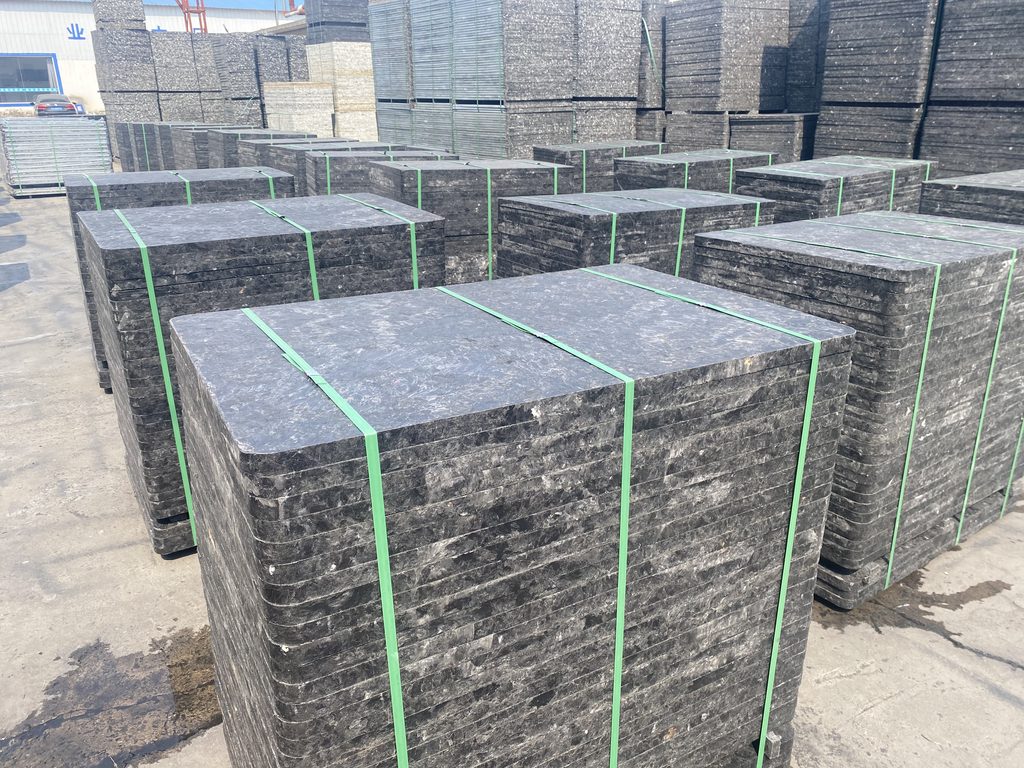
When pallets rotate out of active production, they enter maintenance staging where inspection and cleaning occur before returning to fleet availability. This integrates maintenance into rotation workflow rather than requiring separate downtime.
Integrated Schedule:
- Days 1-7: Active production use
- Days 8-9: Post-use inspection and cleaning
- Days 10-20: Staged for next rotation (available for emergency use)
- Day 21: Return to active production
This structure provides 2-3 days per rotation cycle for thorough inspection and maintenance without impacting production capacity. Facilities implementing integrated maintenance-rotation systems report 45% reduction in emergency repairs compared to reactive-only maintenance approaches.
Condition-Based Rotation Adjustments
Tracking systems should flag pallets showing early wear indicators for modified rotation. You can shift these units into lower-stress applications (manual lines vs automated lines, lighter brick sizes) while issues receive attention—extending functional life instead of immediate removal.
Graduated Rotation Strategy:
- Grade A (New/Excellent): Heavy-duty automated production, maximum cycles
- Grade B (Good): Standard automated production, moderate cycles
- Grade C (Acceptable): Manual production lines, reduced cycle intensity
- Grade D (Maintenance): Temporary removal for repair/evaluation
- Grade E (Retirement): End-of-life removal from fleet
Pallets automatically graduate between grades based on inspection findings and cycle counts. This maximizes useful life extraction while preventing catastrophic failures that cause production stoppages.
Maintenance Tracking Integration
Your tracking database should record all maintenance activities:
- Routine cleaning (every rotation cycle)
- Minor repairs (edge reinforcement, surface crack sealing)
- Major repairs (structural reinforcement, core material issues)
- Inspection findings (crack measurements, flatness deviations, edge separation)
Analyze maintenance patterns to identify systematic issues. If Zone 3 pallets consistently show higher edge separation rates, investigate whether staging area conditions (sun exposure, temperature extremes) contribute to accelerated degradation—then modify storage protocols to extend lifespan.
Optimizing Rotation for Mixed Pallet Types {#optimizing-mixed-fleets}
Many facilities operate mixed fleets combining GMT pallets, glass fiber pallets, wood pallets, and plastic pallets across different production applications. Rotation strategies must account for different lifespan characteristics and application suitability.
Material-Specific Rotation Cycles
Different pallet materials require different rotation frequencies due to varying durability and recovery characteristics:
GMT Pallets (8-10 year lifespan):
Rotate every 7-10 days. Fiber-reinforced thermoplastic benefits from rest periods allowing stress relaxation in the composite matrix. Facilities providing 48-72 hour rest between production cycles report 15-20% lifespan extension compared to continuous-use GMT pallets.
Glass Fiber Pallets (6-8 year lifespan):
Rotate every 5-7 days. More frequent rotation compensates for slightly lower durability versus GMT. These pallets excel in high-humidity environments where rotation scheduling should account for complete drying between cycles.
Wood Pallets (2-3 year lifespan):
Rotate every 3-5 days with mandatory drying periods. Wood requires more frequent rotation due to moisture absorption and faster degradation rates. Never rotate wood pallets directly from cleaning into production—48-hour minimum drying prevents moisture-related brick quality issues.
Plastic Pallets (5-7 year lifespan):
Rotate every 5-7 days. Standard thermoplastic pallets handle frequent cycles well but lack GMT’s fiber reinforcement. Suitable for light-duty applications where rotation can be less rigorous.
Application-Based Fleet Segmentation
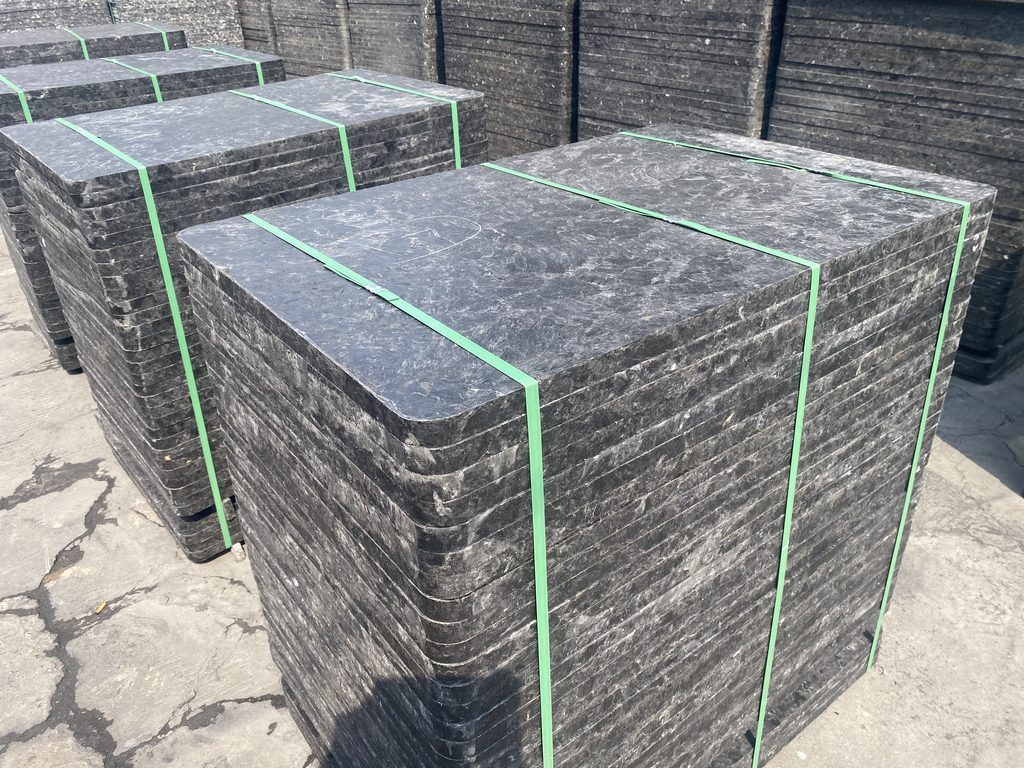
Rather than rotating all pallets through all applications, segment your fleet by application intensity:
High-Intensity Zone: Automated production, heavy bricks, maximum mechanical stress
- Use exclusively GMT or premium glass fiber pallets
- Rotate every 7 days minimum
- Enhanced inspection protocols
Medium-Intensity Zone: Semi-automated production, standard bricks, moderate stress
- Mix of GMT, glass fiber, and premium plastic pallets
- Rotate every 7-10 days
- Standard inspection protocols
Light-Intensity Zone: Manual production, lightweight bricks, minimal stress
- Accept Grade B/C pallets graduating from intensive zones
- Extend rotation to 10-14 days
- Reduced inspection frequency
This approach maximizes each pallet type’s strengths while extending total useful life through graduated usage intensity.
Cost Analysis: ROI of Systematic Rotation {#cost-analysis-roi}
Implementing formal rotation systems requires upfront investment in tracking infrastructure, training, and process modification. However, the financial returns typically achieve payback within 18-24 months for medium to large operations.
Implementation Cost Breakdown
500-Pallet Fleet with Zone Rotation and Barcode Tracking:
| Item | Cost | Notes |
|---|---|---|
| Barcode Labels | $500 | Laser-etched, industrial-grade |
| Fixed Scanners (2) | $3,200 | Production entry/exit points |
| Tracking Software | $4,500 | Database and reporting system |
| Zone Marking | $800 | Paint, stencils, signage |
| Staff Training | $1,200 | 2-day training for 6 staff |
| Process Documentation | $400 | Procedures and visual guides |
| Total Implementation | $10,600 | One-time investment |
| Annual Maintenance | $1,200 | Software updates, equipment |
Annual Savings Analysis
Without Systematic Rotation (Baseline):
- 500 pallets × $95 average cost = $47,500 total fleet value
- 5-year average lifespan without rotation = $9,500 annual replacement cost
- 6 emergency orders annually × $400 premium = $2,400 additional cost
- 10 hours production downtime × $800/hour = $8,000 opportunity cost
- Total Annual Cost: $19,900
With Systematic Rotation:
- 9-year extended lifespan = $5,278 annual replacement cost (44% reduction)
- 1 emergency order annually × $400 = $400 additional cost (83% reduction)
- 2 hours production downtime × $800/hour = $1,600 opportunity cost (80% reduction)
- Total Annual Cost: $7,278
Net Annual Savings: $12,622
ROI Calculation:
- Implementation cost: $10,600
- First-year savings: $12,622
- Payback period: 10.1 months
- 5-year ROI: 496% ($63,110 savings on $10,600 investment)
Scalability Economics
ROI improves dramatically with fleet size due to fixed costs spreading across more units:
| Fleet Size | Implementation Cost | Annual Savings | ROI (5 years) |
|---|---|---|---|
| 200 pallets | $8,200 | $4,850 | 196% |
| 500 pallets | $10,600 | $12,622 | 496% |
| 1,000 pallets | $15,800 | $26,180 | 729% |
| 2,000 pallets | $22,400 | $54,260 | 1,113% |
These calculations demonstrate rotation systems deliver exceptional returns across all fleet sizes, with larger operations benefiting from enhanced economies of scale.
Intangible Benefits
Beyond direct cost savings, rotation systems provide difficult-to-quantify benefits:
- Improved production predictability from reduced unexpected pallet failures
- Enhanced quality control through better surface condition consistency
- Simplified procurement planning with predictable replacement schedules
- Reduced operator stress from fewer emergency situations requiring immediate response
Multiple facilities report improved overall equipment effectiveness (OEE) scores following rotation implementation, though isolating rotation’s specific contribution from other operational improvements proves difficult.
FAQs {#faqs}
How quickly can we implement a basic rotation system?
You can implement simple zone-based rotation within 2-4 weeks. Mark pallets with zone identifiers (paint or tape), establish physical staging areas, and train production staff on zone usage protocols. This requires no specialized equipment. More sophisticated RFID tracking systems require 6-10 weeks for hardware installation, software configuration, and staff training.
Does rotation work for small fleets under 100 pallets?
Yes, though benefits scale with fleet size. Small operations should use simple visual zone rotation rather than investing in automated tracking. Even basic rotation extends lifespan 20-30% compared to random usage patterns. The key is consistent discipline—maintaining rotation protocols even when production urgency tempts pulling nearest pallets regardless of sequence.
How do we handle rotation during peak production periods?
Activate reserve zones earlier than scheduled or run multiple zones simultaneously during peak periods. Your tracking system should flag pallets approaching excessive cycle counts so you can temporarily rest high-cycle units even during peaks. Most facilities maintain 15-20% excess fleet capacity specifically to enable rotation flexibility during high-volume production.
Can we rotate pallets between different production lines?
Yes, and this often improves rotation effectiveness. Moving pallets between lines ensures they experience varied stress patterns rather than repetitive identical loading. However, verify each line’s pallet specifications match—some automated systems require specific dimensional tolerances that not all pallets in your fleet may meet.
What if our tracking system shows certain pallets consistently accumulate more cycles?
Investigate why these pallets receive preferential usage. Common causes include convenient staging locations, slightly better handling characteristics (weight, grip surfaces), or operator preferences. Address root causes by enforcing strict FIFO discipline, redesigning staging areas for equal accessibility, or using automated retrieval systems that eliminate operator selection bias.
How does rotation interact with seasonal production variations?
During slow periods, maintain rotation frequency but reduce active zones. This keeps the entire fleet exercised rather than having large portions sitting completely idle for months. Extended idleness can cause issues (aluminum edge oxidation, surface contamination hardening) that regular rotation prevents. During shutdowns exceeding 2 weeks, perform full fleet inspection and cleaning before extended storage.
Should new pallets integrate immediately into standard rotation?
New pallets should complete 20-30 initial cycles in medium-intensity applications before entering heavy-duty automated production rotation. This break-in period allows the fiber-reinforced composite to stabilize under load without experiencing maximum stress immediately. After break-in, integrate fully into standard rotation sequences.
How do we track rotation effectiveness?
Monitor these key metrics monthly:
- Coefficient of variation in pallet cycle counts (target: <15%)
- Average fleet lifespan (target: 8+ years for GMT)
- Emergency replacement frequency (target: <2 per year)
- Pallets removed early due to failure vs end-of-life (target: <5%)
Improving these metrics over time indicates rotation system effectiveness. Degrading metrics suggest process discipline issues or maintenance integration problems requiring investigation.
Conclusion {#conclusion}
Systematic pallet rotation represents one of brick manufacturing’s highest-ROI operational improvements. By distributing production cycles evenly across your entire fleet, you extend average lifespan from 5-6 years to 8-10 years for GMT pallets while reducing emergency replacements by 80% and improving production predictability. Implementation requires modest investment in tracking infrastructure and process discipline, but delivers 400-1,100% five-year returns depending on fleet size.
The core principle is simple: every pallet in your fleet should work approximately equal production cycles rather than allowing convenient location or operator preference to concentrate wear on a small subset. Whether you implement manual zone rotation, FIFO queuing, or automated RFID tracking depends on your facility size and automation level—but all approaches dramatically outperform unmanaged random usage patterns.
Start by calculating your current pallet replacement frequency and costs, then model savings from lifespan extension. Most operations discover rotation systems pay for themselves within the first year while delivering sustained savings throughout your fleet’s extended service life.
If you need long-lasting GMT pallets designed for rotation systems and extended service life, Rhinos Pallet offers fiber-reinforced composite pallets with 10+ year lifespan. Our moisture-resistant construction and precision manufacturing ensure consistent quality, reduced replacement frequency, and superior cost efficiency for your brick manufacturing operation.
Contact us today for custom brick pallet solutions and factory-direct pricing.
Sources: