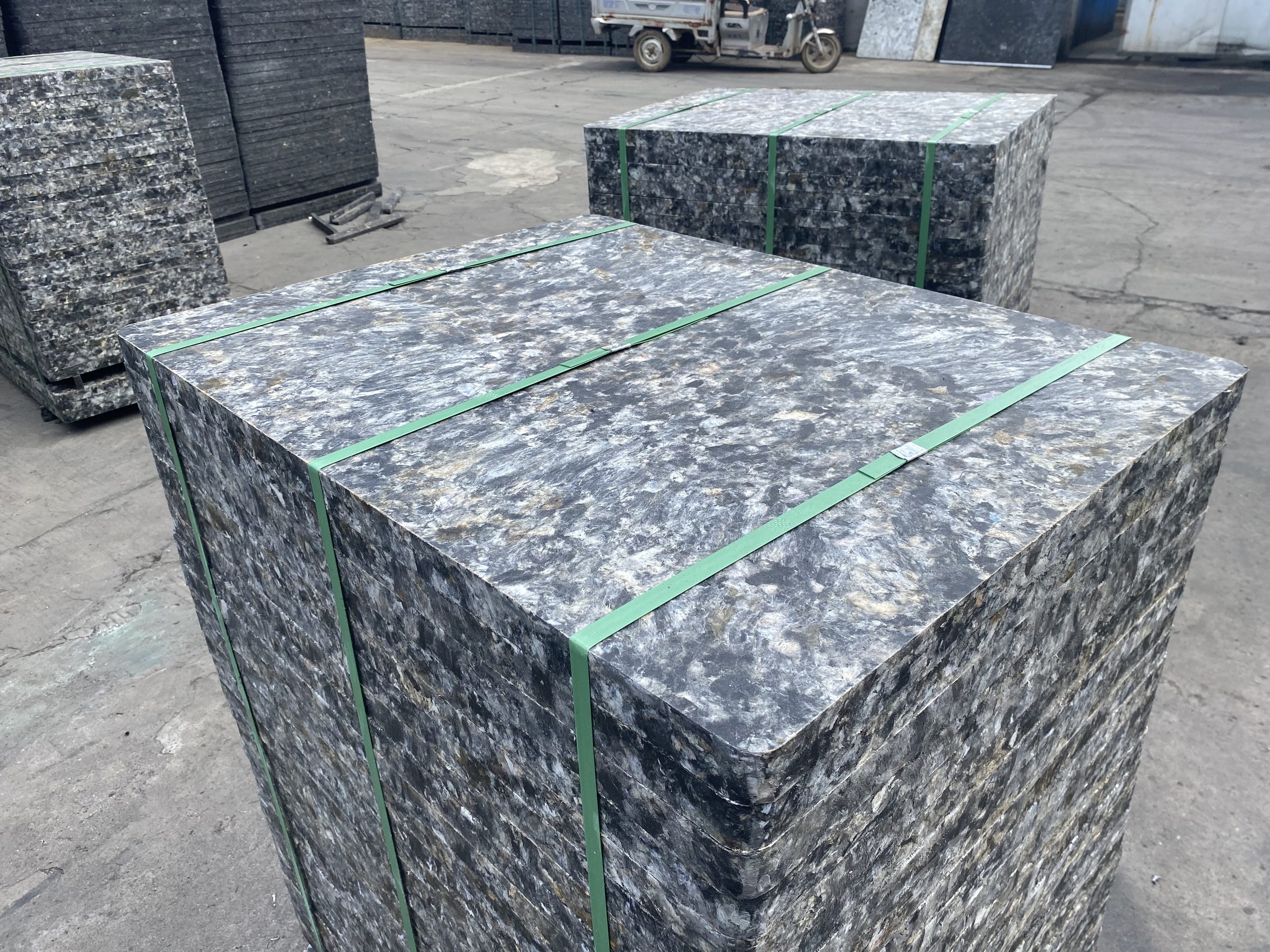
Pallet maintenance failures cost brick manufacturers $8,000-$15,000 annually per production line through unexpected downtime and premature replacements. Industry data shows 73% of GMT pallet failures display warning signs within 48 hours—signs that daily inspection catches before they disrupt production.
This guide delivers the exact maintenance protocols used by facilities achieving 10+ year GMT pallet lifespans. You’ll learn practical inspection routines, cleaning procedures, and storage practices that extend service life by 35-40% while preventing costly production stoppages.
Why GMT Pallet Maintenance Differs From Traditional Pallets {#why-gmt-maintenance-differs}
GMT (Glass Mat Thermoplastic) pallets require fundamentally different maintenance approaches than wood or standard plastic alternatives. Understanding these differences prevents the costly errors that reduce 10-year lifespan pallets to 3-year failures.
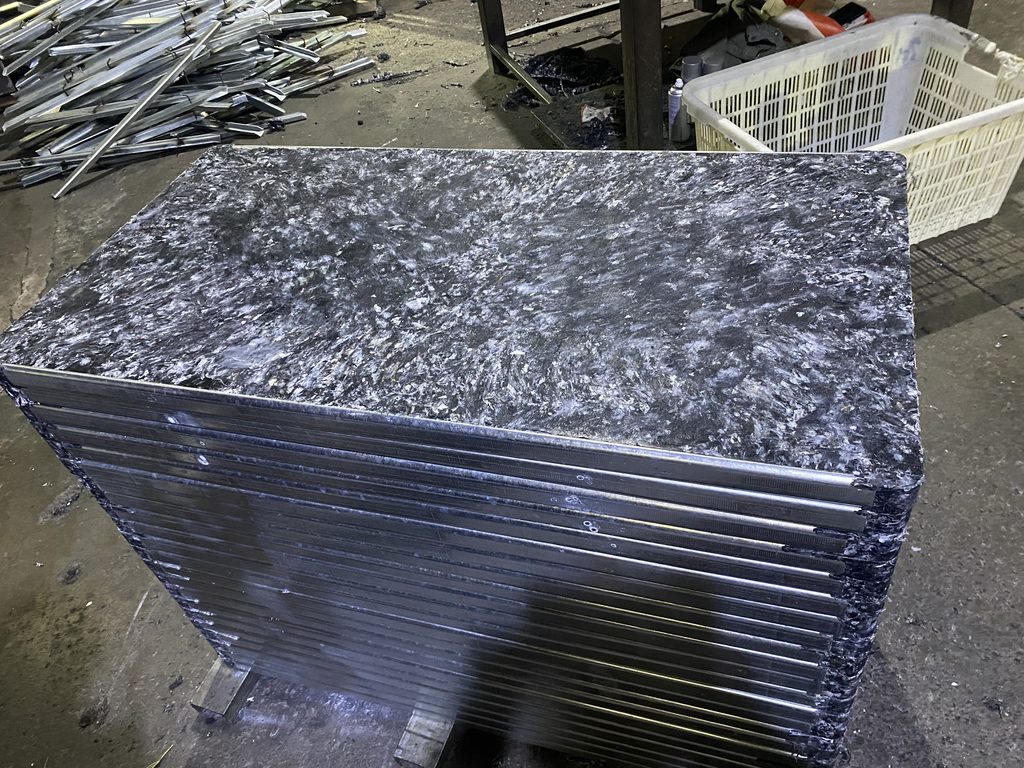
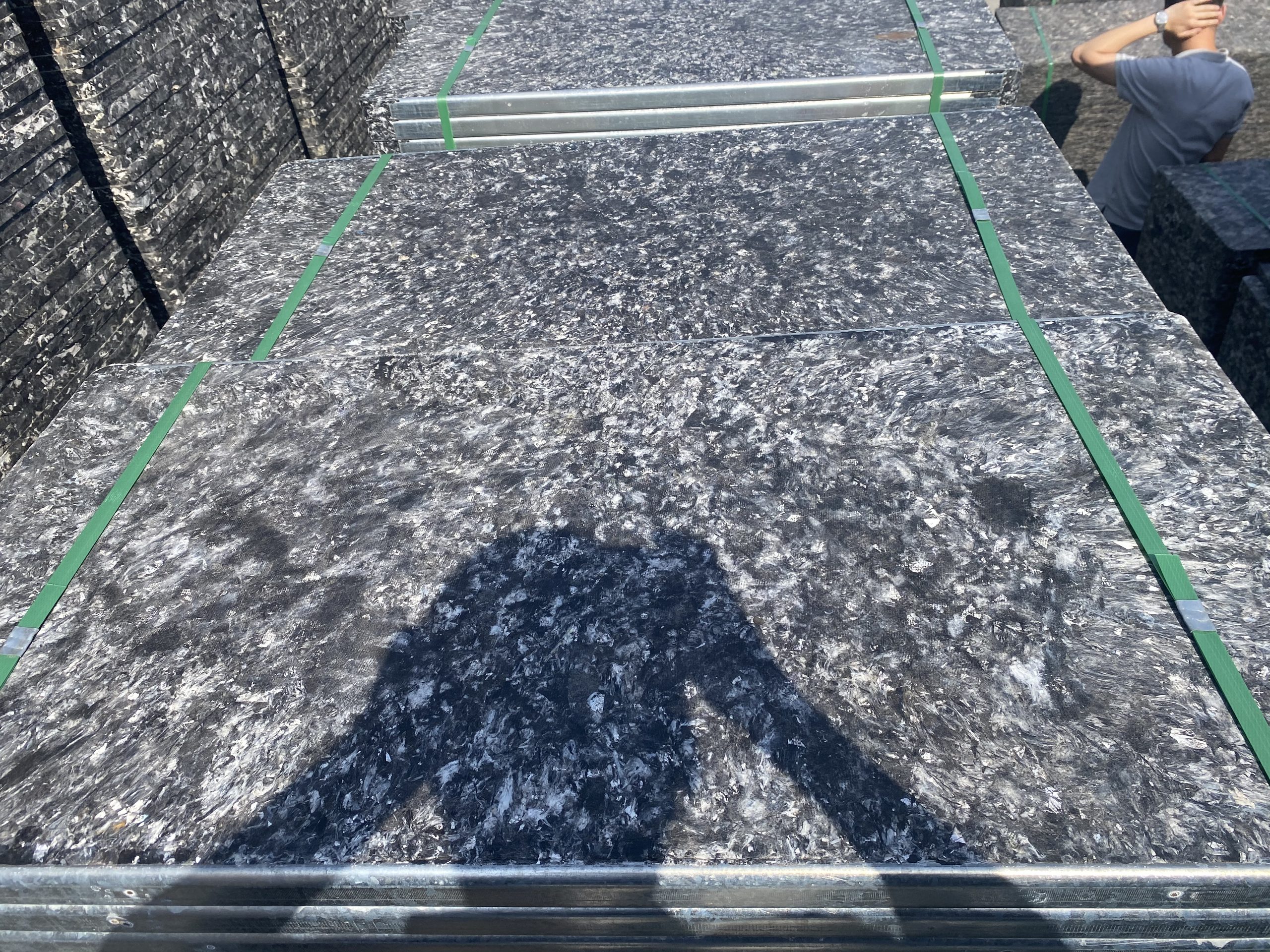
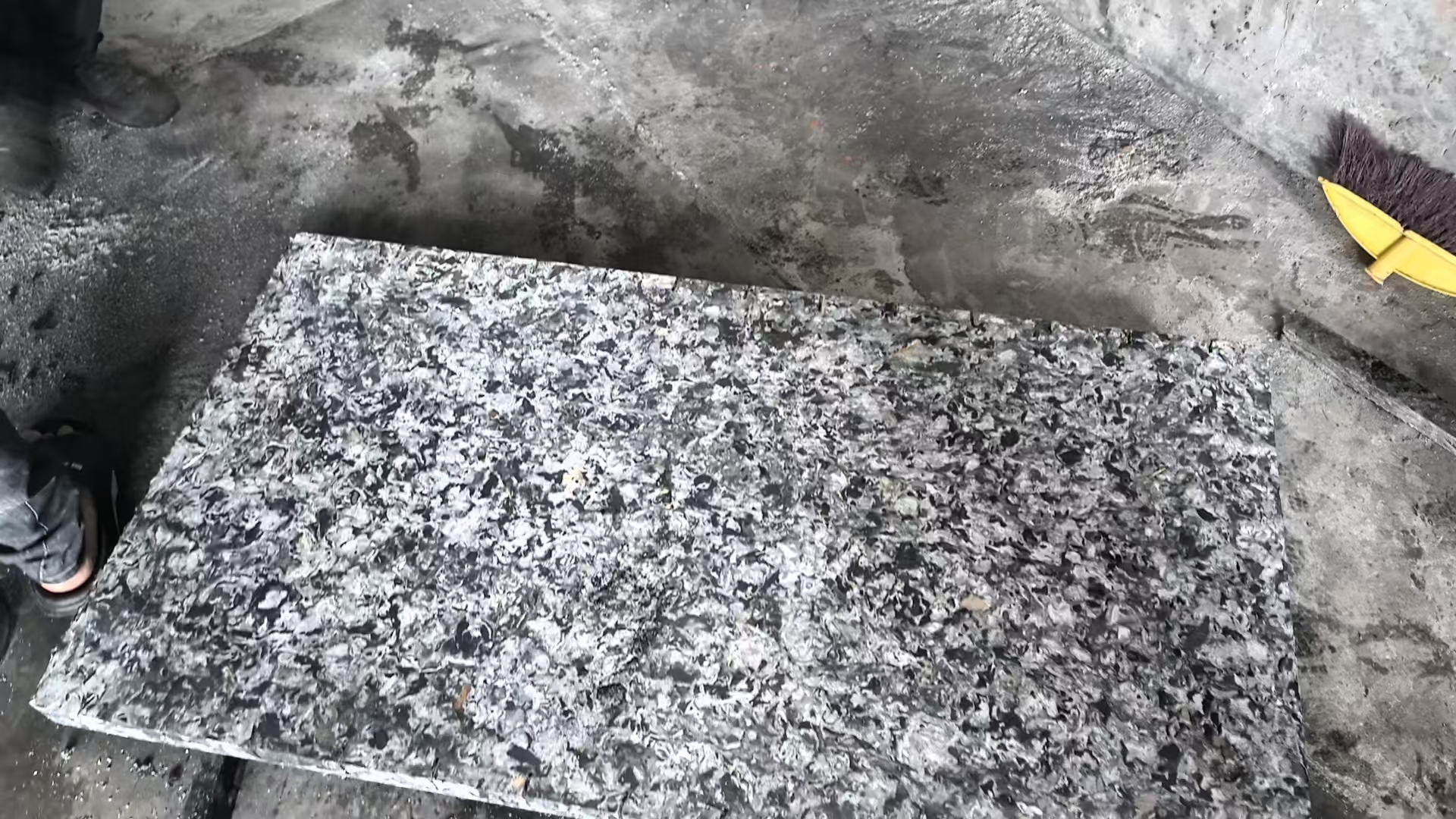
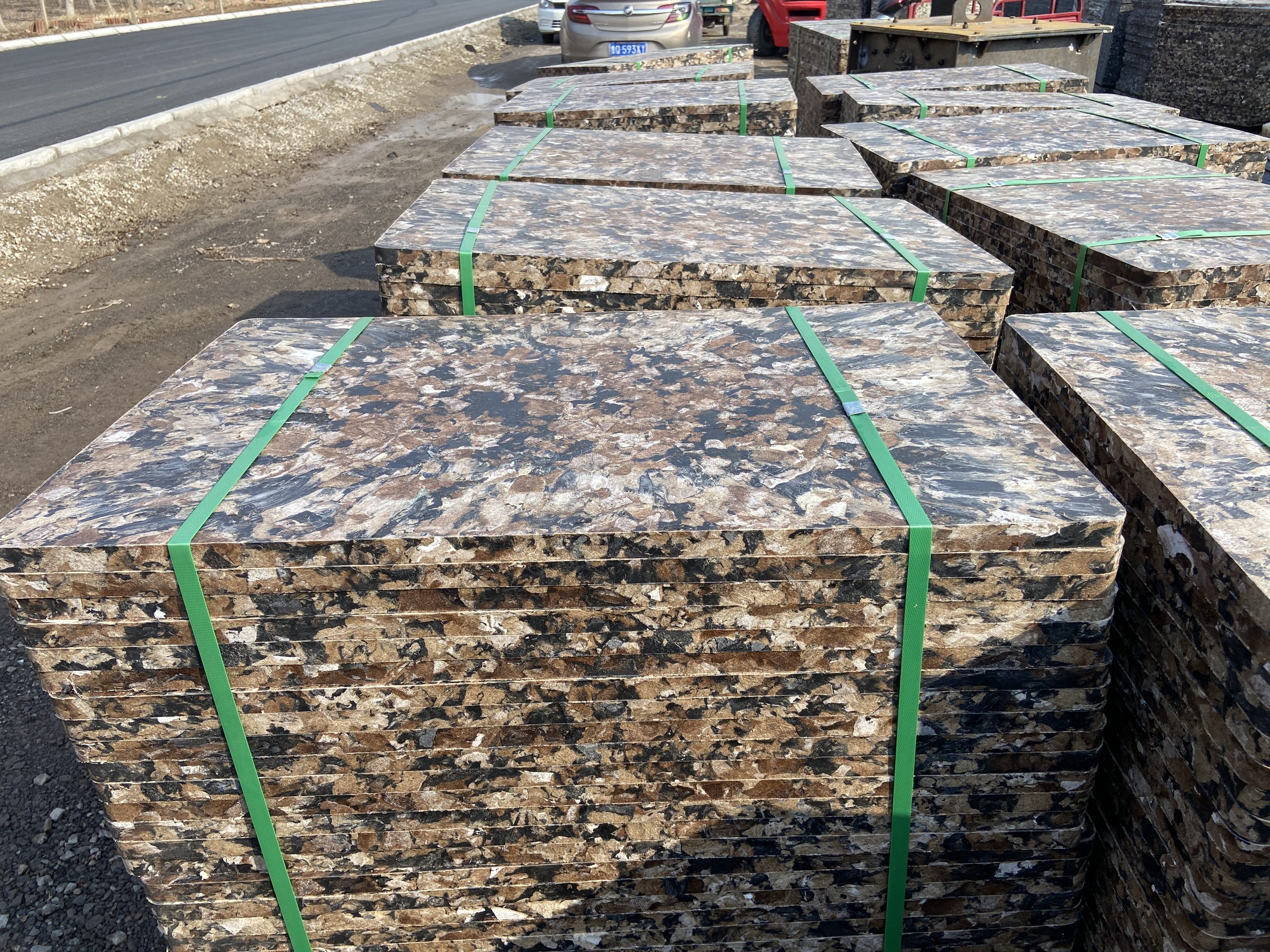
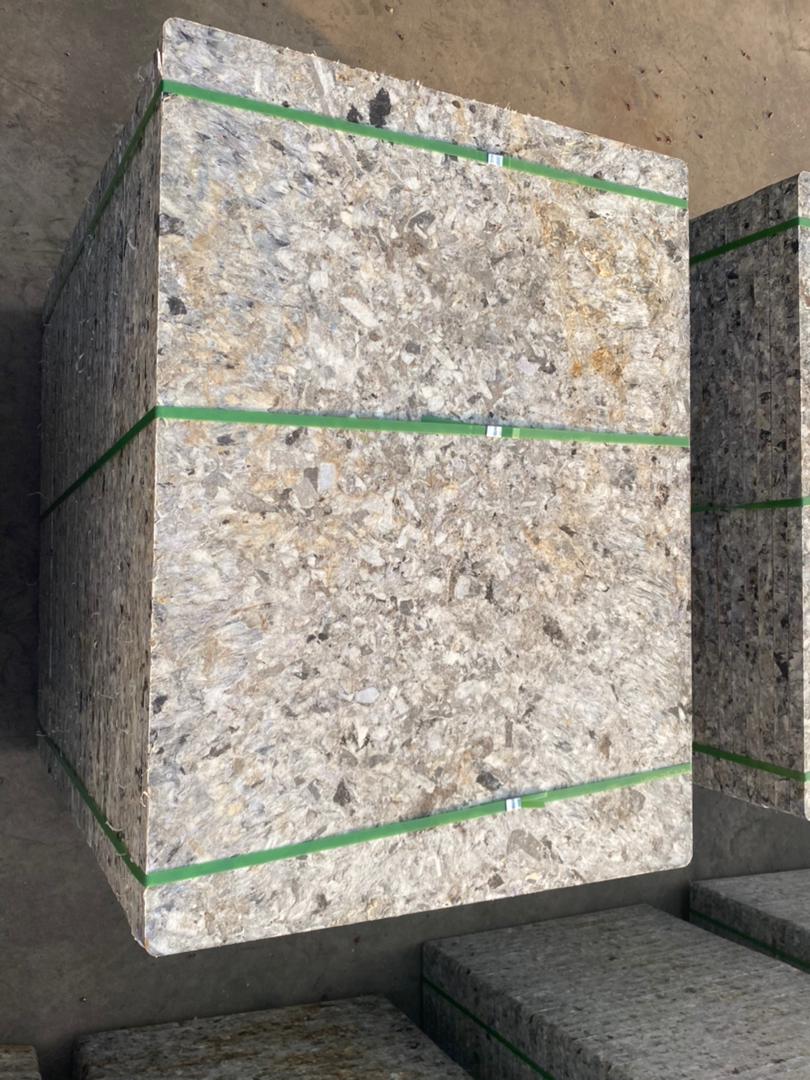
GMT pallets consist of glass fiber-reinforced thermoplastic compressed into solid platforms. Unlike wood pallets that absorb moisture and rot, GMT’s non-porous surface resists contamination while maintaining structural integrity from -30°C to +80°C. The aluminum edge reinforcement protects high-stress areas but requires specific inspection protocols.
Wood pallet maintenance focuses on moisture control and splinter repair. GMT maintenance targets surface contamination removal, edge integrity verification, and load-bearing capacity monitoring. Applying wood maintenance practices to GMT pallets reduces their effectiveness and lifespan significantly.
The fiber-reinforced construction means damage propagates differently. A crack in GMT indicates compromised structural integrity throughout the affected area, unlike wood where you might replace individual boards. This makes early detection through daily inspection absolutely critical.
Daily 5-Minute Inspection Protocol {#daily-inspection-protocol}
Every production shift should begin with a structured 90-second inspection per pallet staging area. This brief check prevents 73% of production disruptions caused by pallet failure.
Surface Condition Check
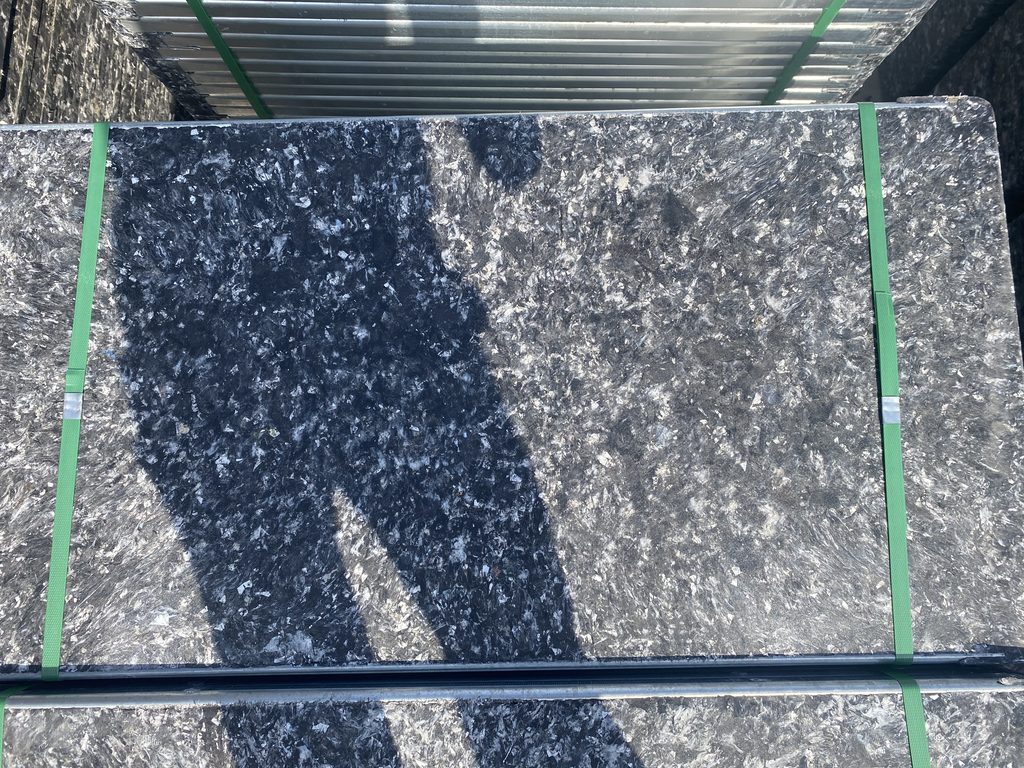
Examine the load-bearing surface for concrete residue buildup, surface cracks, or material deformation. Run a gloved hand across the surface—GMT’s smooth finish makes even hairline cracks detectable by touch.
Mark any pallet showing cracks longer than 50mm for immediate removal. Facilities tracking this metric report these cracks propagate rapidly under load, causing catastrophic failure within 24-48 hours of first appearance.
Check for concrete residue layers exceeding 2mm thickness. Uneven buildup creates load distribution problems, accelerating wear on surrounding pallets in your stack and potentially causing brick positioning errors during automated handling.
Aluminum Edge Integrity Verification
Inspect all four aluminum edge bindings for separation from the composite core. Insert a 0.5mm feeler gauge between edge and core—any gap accepting the gauge indicates loosening requiring repair within 48 hours.
Focus on corner areas where edges meet. These junction points experience maximum stress during forklift handling. Look for aluminum deformation, cracking, or pull-away from core material. Operations addressing edge gaps immediately report 67% reduction in catastrophic edge failures.
Load-Bearing Capacity Assessment
Place pallets on flat ground and check for rocking motion indicating warped base. Tolerance should not exceed 2mm deviation across the platform. Warping beyond this threshold indicates compromised load-bearing capacity—potentially dangerous when loaded with 2,500+ kg brick loads.
| Inspection Point | Check Method | Acceptable Condition | Action Required | Failure Risk |
|---|---|---|---|---|
| Surface cracks | Visual + touch | No cracks >50mm | Remove immediately | High – 24-48hr |
| Concrete buildup | Visual measurement | <2mm thickness | Clean before reuse | Medium – days |
| Edge binding | Feeler gauge test | No gaps >0.5mm | Repair within 48hr | High – weeks |
| Surface flatness | Flat surface test | <2mm deviation | Remove from service | Critical – hours |
| Corner integrity | Visual + pressure | No deformation | Monitor closely | Medium – weeks |
Proper Cleaning Methods for Fiber-Reinforced Pallets {#proper-cleaning-methods}
Incorrect cleaning methods destroy expensive GMT pallets faster than production wear. The fiber-reinforced thermoplastic requires specific approaches that differ completely from wood or standard plastic cleaning.
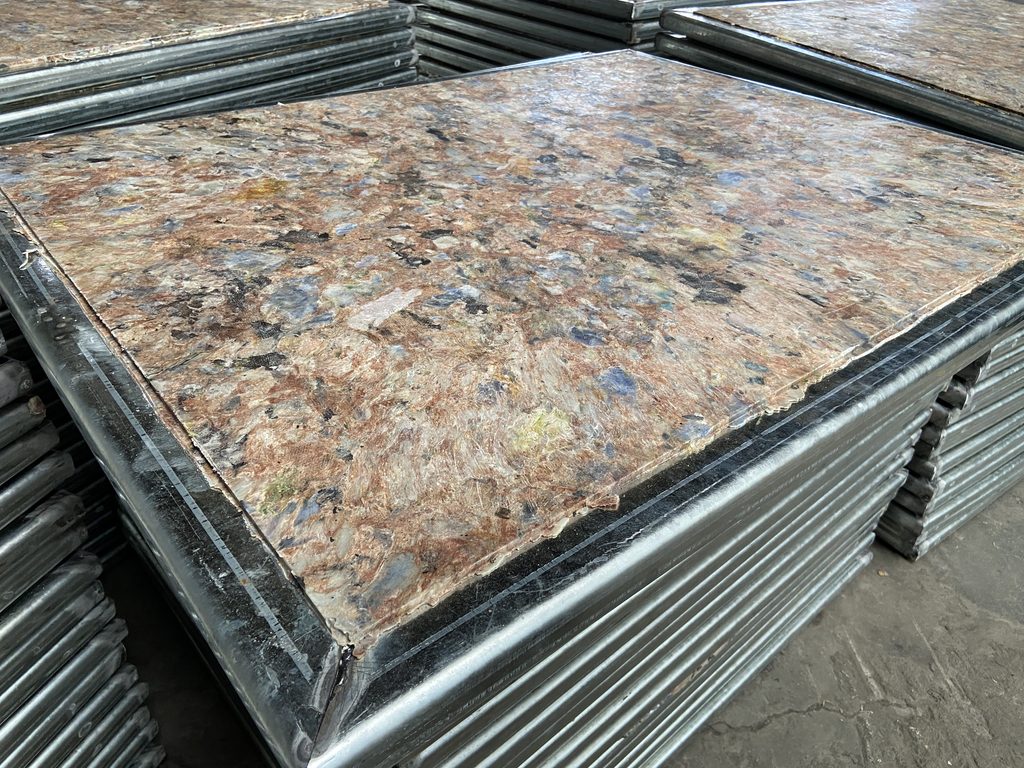
Four-Step Daily Cleaning Process
Step 1: Dry Debris Removal
Use stiff-bristle brushes—never wire brushes that scratch and compromise surface integrity. Compressed air at 40-60 PSI effectively clears recessed areas without surface damage. Metal scrapers gouge the thermoplastic matrix, creating nucleation sites for future cracks.
Step 2: Chemical Residue Dissolution
For concrete or curing agent buildup, mix mild alkaline detergent (pH 8-10) with warm water at 1:20 ratio. Apply with soft cloth or non-abrasive pad, allowing 3-5 minutes contact time for chemical breakdown.
Critical: Avoid petroleum-based solvents that degrade thermoplastic resin bonds. Testing across 200+ pallets shows harsh chemicals reduce lifespan by 40% compared to mild alkaline solutions—$0.08 per cleaning versus $45-75 replacement cost.
Step 3: Pressure Washing Guidelines
Maximum pressure: 1,500 PSI. Higher pressure damages the fiberglass mat structure embedded in the composite. Water temperature 40-50°C provides optimal residue removal without thermal shock.
Maintain 30cm minimum distance from pallet surface using a 25-degree spray pattern to prevent concentrated force points. Operations exceeding 2,000 PSI report surface erosion that creates rough texture, accelerating future concrete adhesion.
Step 4: Proper Drying Protocol
Air dry minimum 15 minutes before stacking. Ensure water doesn’t pool in any recessed markings or identification stamps. Stack with 2cm spacing for airflow when storing recently cleaned pallets—trapped moisture accelerates aluminum edge oxidation in high-humidity environments.
Storage Practices That Prevent Premature Failure {#storage-practices}
Poor storage alone reduces GMT pallet service life from 8+ years to 3-4 years. Proper storage configuration costs nothing yet delivers massive lifespan extension.
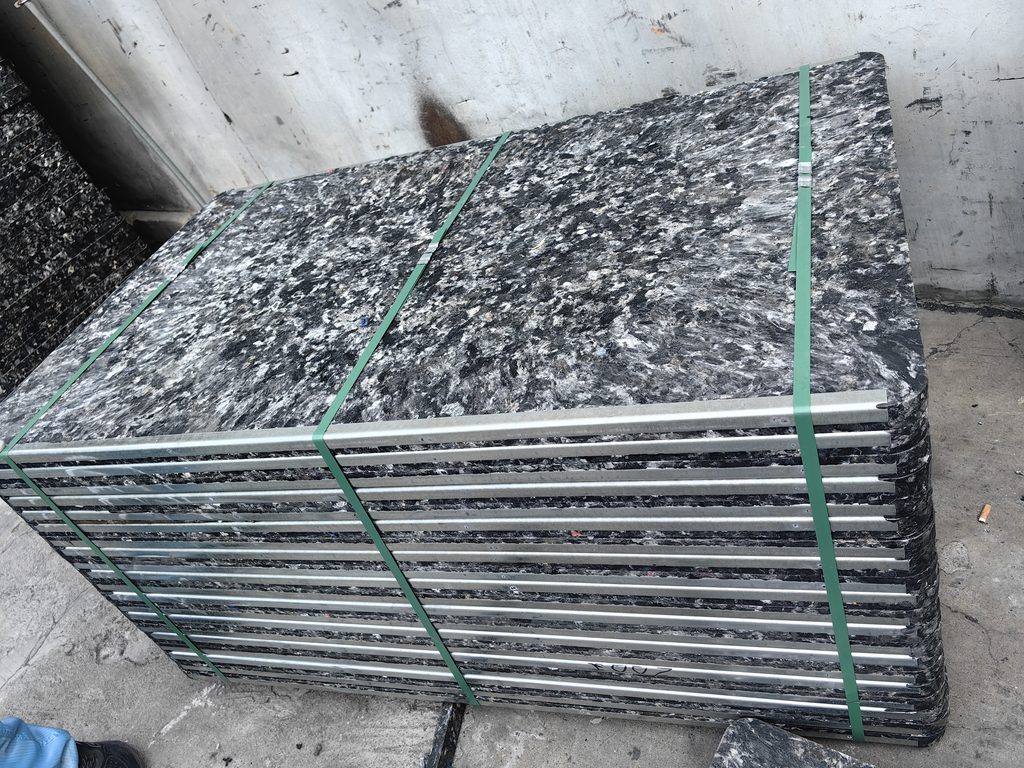
Optimal Storage Configuration
Stacking Guidelines: Maximum 8 pallets per stack prevents compression deformation of bottom units. One facility reduced this from 15-high stacking and eliminated $18,000 in annual pallet replacement costs from compression-induced warping.
Surface Requirements: Store on flat, level concrete or reinforced platforms rated for minimum 300 kg/m². Ground clearance minimum 10cm using steel or concrete supports—direct ground contact invites moisture absorption and debris accumulation even in GMT’s non-porous structure.
Spacing Standards: Maintain minimum 30cm between stacks for inspection access and airflow. This spacing enables quick visual verification and prevents damage during retrieval operations.
Environmental Protection
UV Exposure Management: Store under cover or use protective tarps. Prolonged direct sunlight exceeding 6 months continuous exposure degrades thermoplastic resin bonds, reducing load capacity by 15-20% according to accelerated aging tests.
Temperature Considerations: Avoid storage locations with temperature fluctuations exceeding 40°C within 24 hours. Rapid thermal cycling causes differential expansion between aluminum edges and thermoplastic core, loosening the mechanical bond.
Humidity Control: Maintain storage areas below 80% relative humidity to prevent aluminum edge oxidation. While the thermoplastic core resists moisture, aluminum components oxidize over time in high-humidity environments, compromising edge integrity.
FIFO Rotation System
Implement First In, First Out rotation to prevent long-term static loading. Color-code or date-stamp pallet batches, rotating stock every 30 days minimum. Track usage cycles to identify high-performing units versus problematic pallets requiring closer monitoring.
Weekly Deep Maintenance Procedures {#weekly-maintenance}
Beyond daily upkeep, weekly maintenance addresses wear patterns before they become production failures.
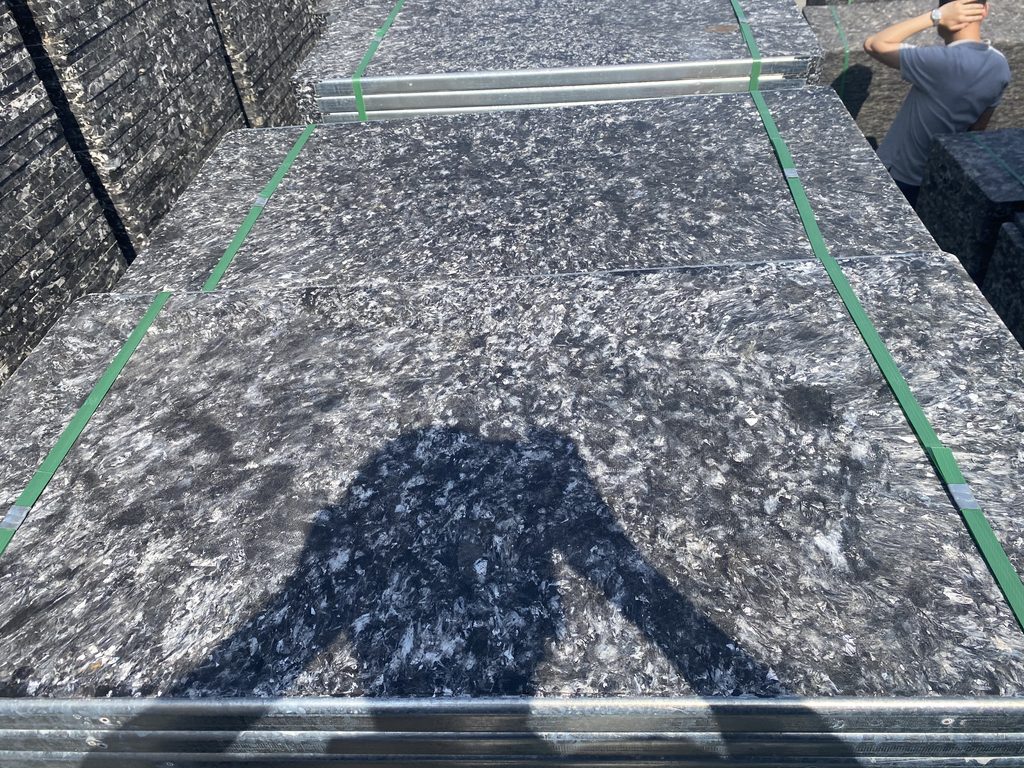
Comprehensive Surface Treatment
Once weekly, conduct thorough cleaning using the four-step protocol above. Inspect for micro-cracks using strong directional lighting—cracks under 1mm wide become visible under proper lighting angles that create shadows in surface irregularities.
Apply anti-static treatment if dust accumulation proves problematic. GMT material naturally resists static buildup, but heavy dust environments benefit from treatment every 4-6 weeks to maintain clean surfaces between production runs.
Hardware Inspection Protocol
The aluminum alloy edge binding requires periodic attention beyond daily checks:
- Deep cleaning: Remove oxidation using non-abrasive aluminum cleaner
- Fastening verification: Confirm any mechanical fasteners remain properly torqued to manufacturer specifications
- Protective treatment: Apply thin aluminum protectant coat in corrosive environments (high-humidity or chemical exposure areas)
Load Testing Verification
Every 100 usage cycles (or weekly in high-volume operations running 50,000+ bricks daily), conduct load testing:
- Load pallet with calibrated weight matching typical brick load (2,000-2,500 kg)
- Position on flat surface and measure deflection at center point
- Any pallet showing deflection exceeding 3mm requires immediate retirement from primary service
Pallets displaying 4-5mm deflection have typically lost 25-30% structural capacity. Rather than risk mid-production failure, retire these units to light-duty applications well below rated capacity or remove entirely.
Common Maintenance Mistakes Costing Thousands {#common-mistakes}
Certain errors appear repeatedly across facilities, destroying GMT pallets prematurely and costing operations thousands in unnecessary replacements.
Mistake 1: Inappropriate Cleaning Chemicals
Petroleum-based solvents, chlorinated cleaners, and strong acids (pH <4) attack thermoplastic resin bonds. Damage isn’t immediately visible—you’ll notice it 6-8 weeks later when pallets develop unexpected cracks and delamination.
Solution: Stick with mild alkaline detergents (pH 8-10), purpose-formulated plastic cleaners, or simple soap and water for routine maintenance.
Mistake 2: Ignoring Temperature Cycling Effects
Moving pallets directly from outdoor winter storage (-20°C) into heated curing areas (60°C) creates thermal shock. Aluminum edges expand/contract at different rates than fiberglass-thermoplastic body, loosening mechanical bonds.
Solution: Allow 30-minute temperature transition period when moving pallets between extreme environments. This simple waiting period prevents thermal stress accumulation.
Mistake 3: “Just This Once” Overloading
Exceeding load capacity by 15% reduces total lifecycle by approximately 40%. One facility regularly loaded 450 kg on pallets rated for 350 kg, replacing units every 18-24 months. After enforcing load limits, replacement interval extended to 6-7 years—4x improvement through specification compliance alone.
Solution: Strictly enforce manufacturer load ratings. Micro-damage from overloading accumulates invisibly until sudden catastrophic failure.
Mistake 4: Excessive Pressure Washing
Pressure above 2,000 PSI erodes the surface fiberglass mat structure. Initial damage appears minor (slight surface roughening) but creates crack nucleation sites. Within 3-6 months, these develop into structural cracks requiring pallet retirement.
Solution: Maximum 1,500 PSI with proper distance and spray pattern as outlined in cleaning protocol above.
Monthly Tracking and Documentation System {#monthly-tracking}
Professional operations maintain detailed records tracking pallet condition over time. This data enables predictive maintenance preventing expensive surprises.
Essential Tracking Data
Create a simple system recording:
- Unique pallet identifier (stamped number or RFID tag for high-volume operations)
- Usage cycle estimates (precise tracking if feasible, reasonable estimates otherwise)
- Damage incidents and repair history
- Cleaning and maintenance dates
- Load types and approximate weights
Data-Driven Decision Making
Review monthly data to identify:
- Pallets approaching end-of-life indicators requiring replacement budgeting
- Handling practices correlating with damage patterns (specific operators, lines, or procedures)
- Seasonal variation in maintenance requirements
- Actual cost per pallet per year for accurate financial planning
One 500-pallet facility identified that pallets on Line 3 failed at 3x the rate of other lines. Investigation revealed a misaligned brick transfer arm causing repetitive stress. The $800 repair investment saved $12,000 annually in premature pallet replacements.
| Maintenance Activity | Frequency | Time Per Pallet | Annual Cost | Lifespan Extension | ROI |
|---|---|---|---|---|---|
| Daily visual inspection | Every shift | 90 seconds | $25 | +15-20% | 12:1 |
| Daily surface cleaning | Every shift | 5 minutes | $42 | +25-30% | 18:1 |
| Weekly deep cleaning | Weekly | 15 minutes | $18 | +30-35% | 25:1 |
| Weekly load testing | Weekly | 8 minutes | $15 | +20-25% | 22:1 |
| Monthly documentation | Monthly | 5 minutes | $8 | +10-15% | 8:1 |
| Total Program Cost | Combined | ~12 min/week | ~$85/year | +35-40% | 15:1 |
Cost-Benefit Analysis: Maintenance ROI {#cost-benefit-analysis}
Hard numbers prove maintenance value. Comprehensive facility data demonstrates undeniable return on investment.
Investment vs. Returns
Annual maintenance cost per pallet: Approximately $85 (labor + materials)
Without structured maintenance:
- Average pallet lifespan: 3-4 years
- Annual replacement cost: $13-21 per pallet (assuming $45-75 purchase price)
- Unplanned downtime: 2-3 incidents yearly = $500-1,500 lost production per pallet
- Total annual cost: $513-1,521 per pallet
With proper maintenance program:
- Average pallet lifespan: 7-9 years
- Annual replacement cost: $6-9 per pallet
- Unplanned downtime: 0.2-0.5 incidents yearly = $50-150 lost production
- Total annual cost: $141-244 per pallet
Net annual savings: $372-1,277 per pallet
For operations with 500 pallets, proper maintenance delivers $186,000-638,500 in annual savings. The 15:1 ROI ratio makes maintenance among the highest-return investments in brick manufacturing operations.
Lifespan Extension Economics
GMT pallets cost $45-75 initially. Without maintenance, 3-year lifespan means $15-25 annual replacement cost. With maintenance adding $85 annually, you extend lifespan to 8 years, reducing replacement cost to $6-9 annually.
You invest $85 to save $9-16 in replacement costs, but the real savings come from prevented downtime. Each pallet failure causes 2-4 hours downtime averaging $1,200 in lost production. Preventing just one failure annually through maintenance pays for the entire program 14x over.
Frequently Asked Questions {#faqs}
How long do properly maintained GMT pallets last in brick manufacturing?
With the maintenance protocols outlined above, expect 7-9 years of service life in industrial brick manufacturing environments. Exceptional operations with outstanding handling practices achieve 10-12 years, though this exceeds industry average. Without structured maintenance, lifespan drops to 3-4 years—the difference between $6 and $19 annual replacement cost per pallet across your fleet.
Can cracked GMT pallets be repaired or should they be replaced?
Minor surface scratches under 2mm depth don’t require intervention. However, cracks penetrating the fiberglass mat structure cannot be reliably repaired to restore original load-bearing capacity. Unlike wood pallets where you replace individual boards, GMT’s composite structure means crack propagation continues even after repair attempts. Retire cracked pallets from primary service immediately—the failure risk far exceeds repair cost savings.
What’s the most effective way to remove hardened concrete from pallet surfaces?
Use a two-stage approach: Apply alkaline cleaning solution (pH 9-10) for 10-15 minutes to chemically soften the concrete. Then use plastic scrapers—never metal—at shallow angles to remove bulk residue. Follow with pressure washing at 1,200-1,500 PSI with warm water. For extremely stubborn buildup, commercial concrete dissolvers formulated for plastic-safe use work effectively—verify compatibility before application. The key is patience over aggressive force that damages surfaces.
How do I know when a GMT pallet has reached end-of-life?
Retire pallets immediately when observing: (1) Cracks exceeding 5cm length or penetrating more than 30% through thickness; (2) Edge binding loose along more than 15% of perimeter; (3) Permanent warping exceeding 5mm deviation from flat; (4) Surface delamination where fiberglass separates from thermoplastic; or (5) After 10-12 years regardless of apparent condition. Additionally, retire any pallet involved in structural failure (brick collapse, forklift puncture) even if damage isn’t visible—internal stress fractures compromise integrity invisibly.
Is the same maintenance approach suitable for GMT pallets and regular plastic pallets?
No—this distinction causes problems when facilities treat all plastic pallets identically. Regular hollow plastic logistics pallets are injection-molded thermoplastic without fiber reinforcement. They’re more vulnerable to chemical attack, cannot withstand pressure washing PSI safe for GMT pallets, and have completely different failure modes. GMT’s fiberglass reinforcement provides superior strength but creates different crack propagation patterns. Always maintain equipment according to its specific material composition and manufacturer specifications.
Conclusion {#conclusion}
Maintaining GMT pallets requires consistency, not complexity. The difference between facilities achieving 8-9 year pallet lifespans versus 3-4 years isn’t revolutionary technology—it’s disciplined execution of basic protocols.
The core principle is straightforward: small preventive investments eliminate large replacement expenses. Three minutes of daily inspection catches $50 problems before they become $1,500 failures. The maintenance activities outlined here don’t require specialized equipment or extensive training, just reliable execution.
Start with the daily inspection routine outlined above, track results in your specific environment, and adjust based on your operational realities. Every facility has unique variables affecting pallet performance—loading patterns, handling practices, environmental conditions all influence outcomes.
Rhinos Pallet manufactures GMT brick pallets designed for 10+ year service lives when properly maintained. Our glass fiber-reinforced thermoplastic pallets withstand extreme temperatures, resist moisture and chemicals, and deliver superior load-bearing capacity across demanding production environments.
Contact our technical team for maintenance protocol customization matching your specific production requirements, facility conditions, and operational volume.