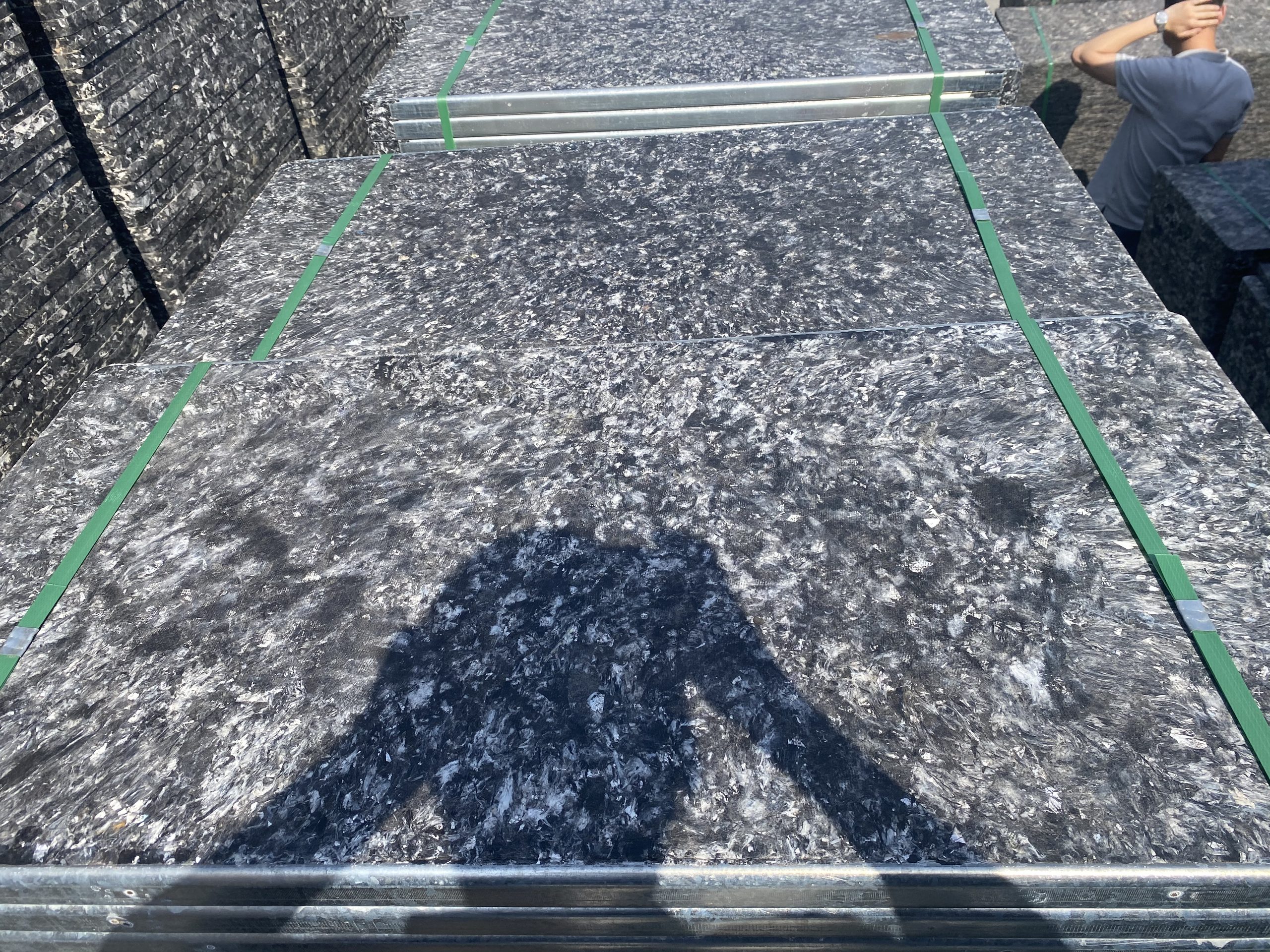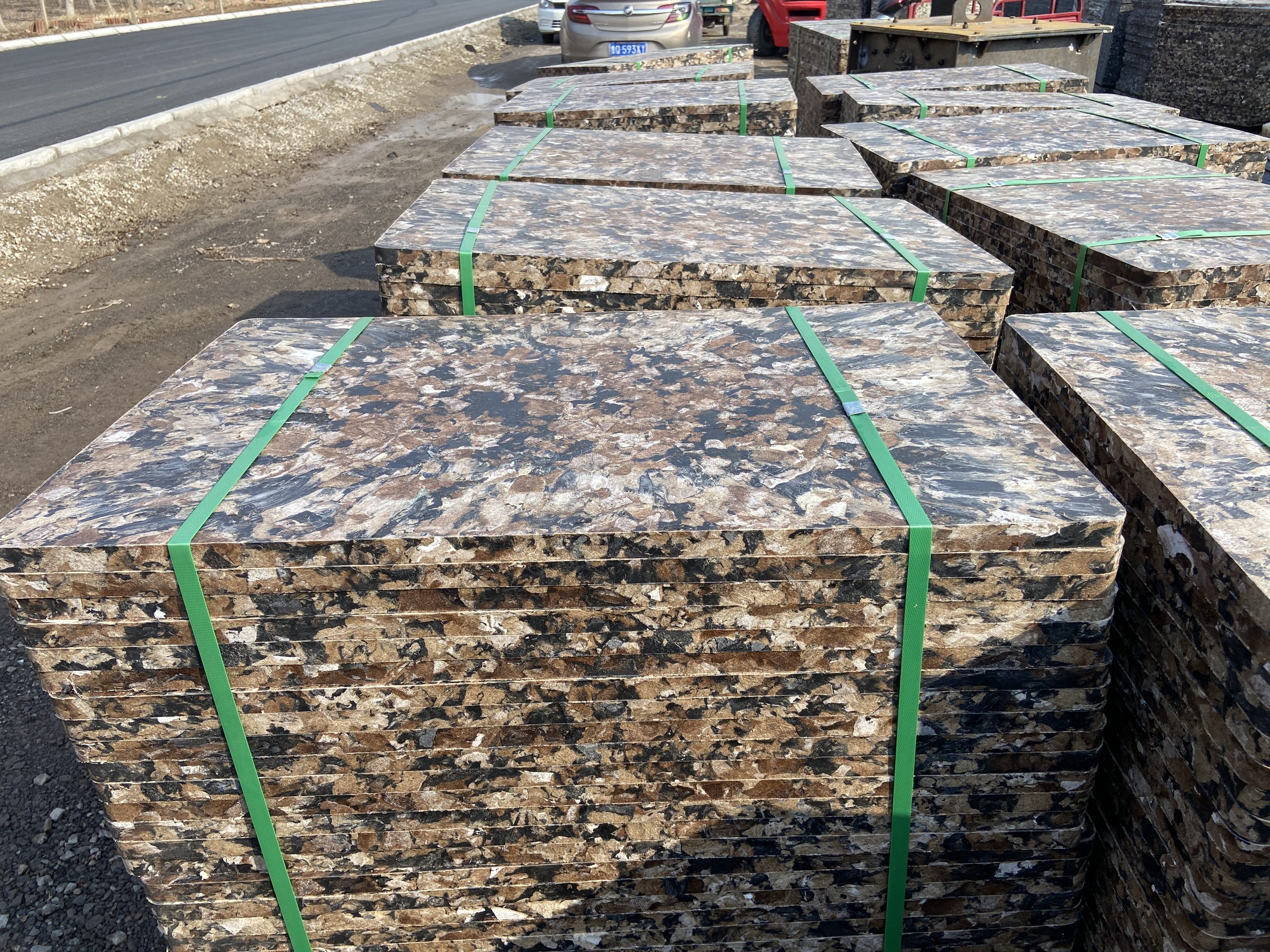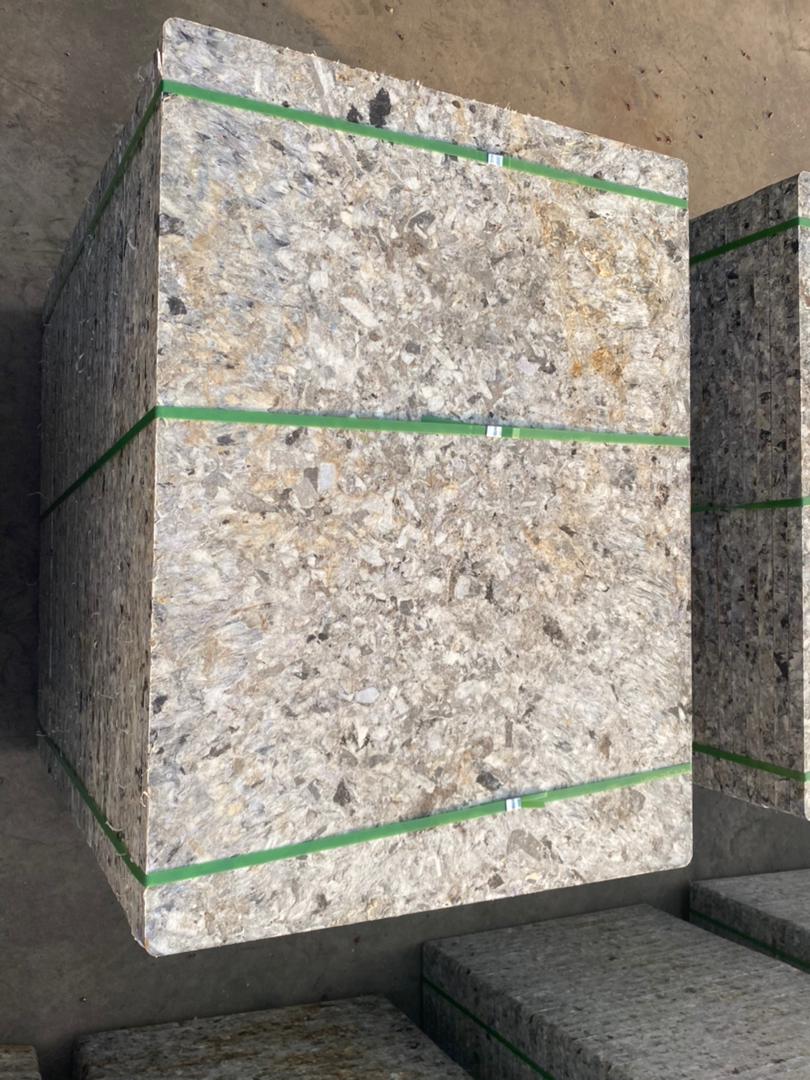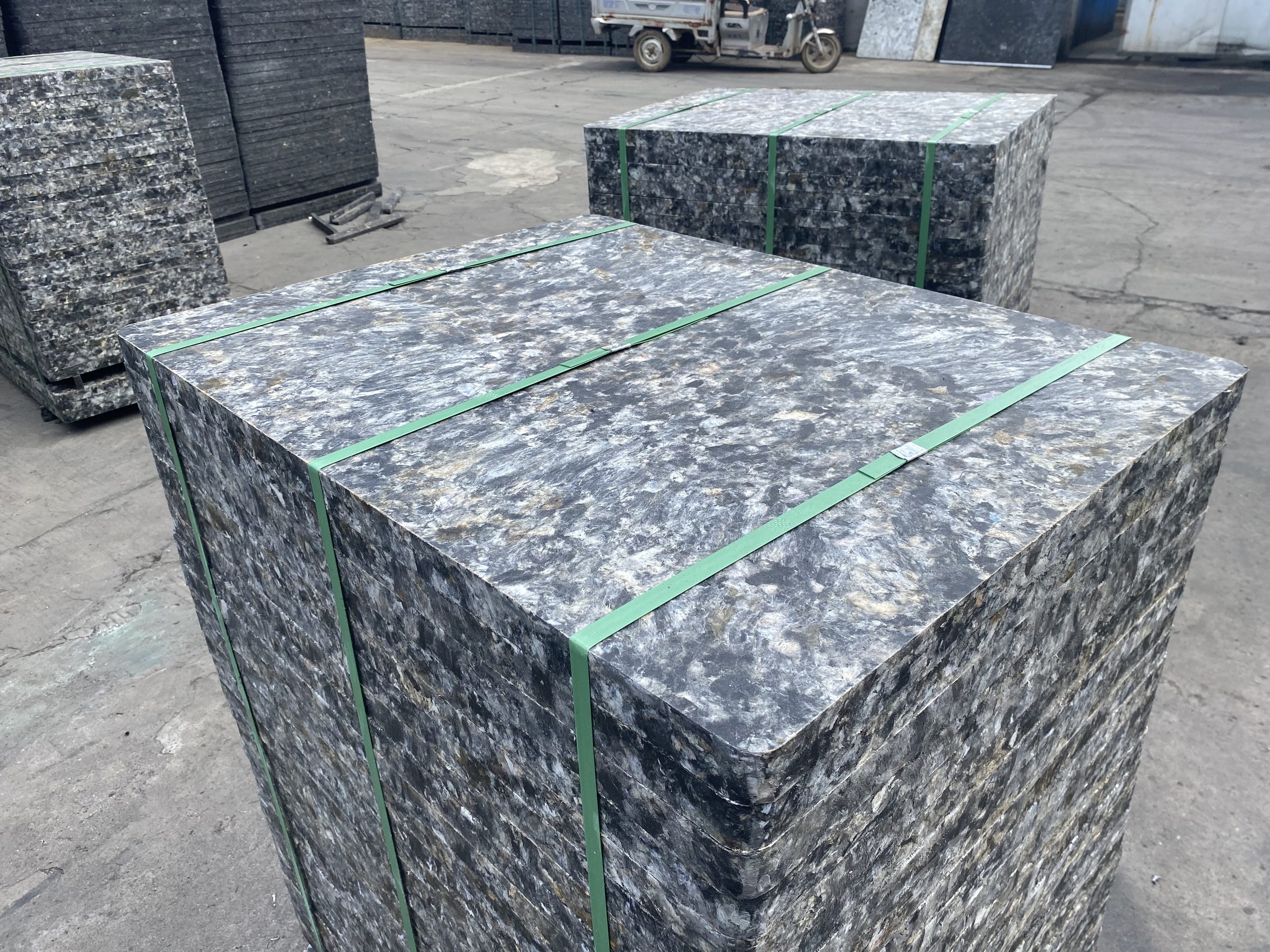
Pallet thickness determines load capacity, service life, and brick quality outcomes in ways most manufacturers discover too late. A 10mm pallet handling 2000 kg loads can deflect 3-5mm under maximum weight, creating surface inconsistencies that translate directly to brick defects. That same load on a 15mm pallet registers deflection under 1.5mm, keeping the molding surface flat across the entire cure cycle. Production data from 40+ brick facilities shows thickness selection drives breakage rates, replacement frequency, and total lifecycle cost more than any other pallet specification.
This guide presents the performance data production managers use to match thickness to load requirements: the structural differences between 10mm, 12mm, and 15mm configurations, deflection testing under actual production loads, service life by thickness tier, and the production volume thresholds where each thickness delivers optimal cost per brick.
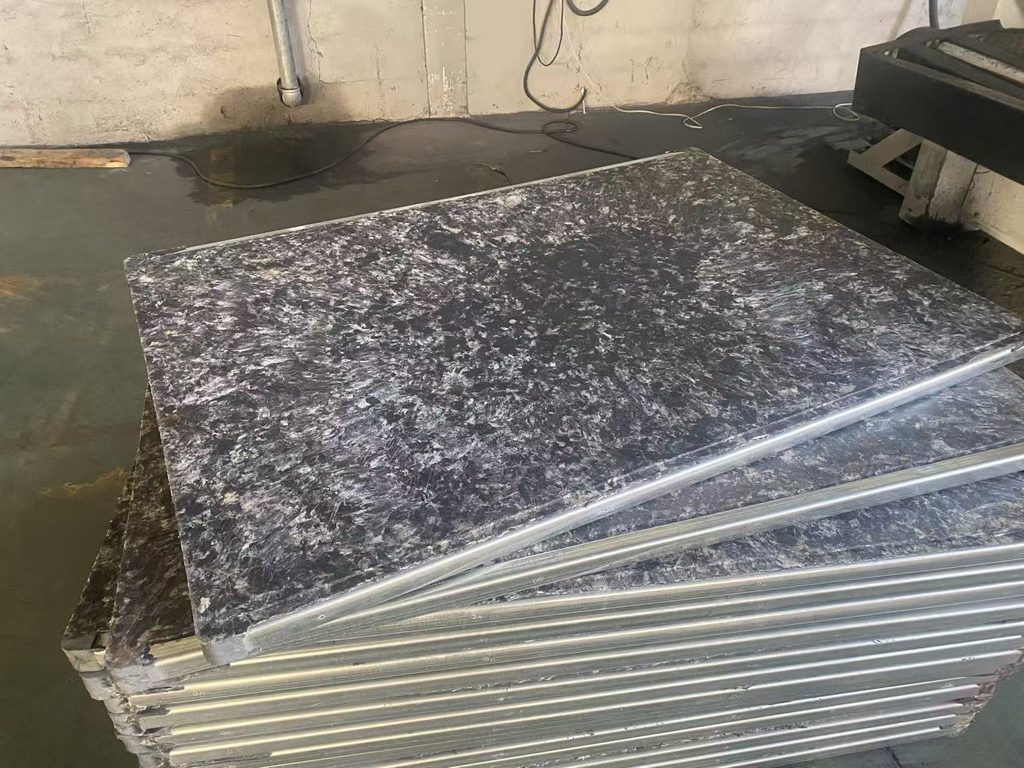
What Thickness Actually Controls in GMT Pallets
Thickness is the primary structural variable that determines how a GMT pallet responds to the compressive loads, thermal cycling, and mechanical handling stresses of brick production. It controls three performance characteristics that directly affect manufacturing economics: flexural rigidity, thermal mass, and material volume available for wear resistance.
Flexural rigidity scales with thickness cubed according to standard beam theory. A 15mm pallet is 3.4 times stiffer than a 10mm pallet under identical loading, which translates to proportionally lower deflection. That stiffness gap is why 10mm pallets work for lightweight concrete blocks (under 1800 kg) but fail structurally in high-density clay brick applications where loads reach 2500-3000 kg.
Thermal mass affects cure cycle consistency. Thicker pallets absorb and release heat more slowly, which stabilizes temperature gradients across the brick-pallet interface during autoclaving or kiln curing. Production data shows 15mm pallets reduce within-batch temperature variation by 40-50% versus 10mm configurations, cutting thermal stress cracks in high-density products.
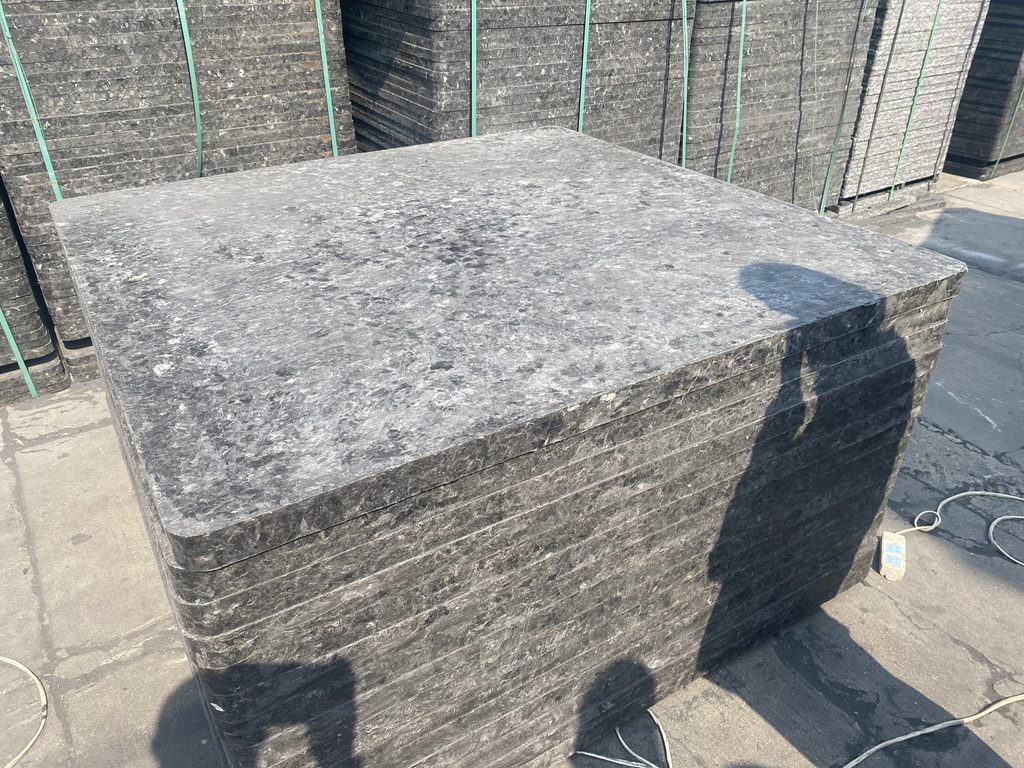
Material volume determines abrasion service life. Fiber-reinforced composite pallets wear at approximately 0.15-0.25mm per year under normal production loads. A 10mm pallet reaches critical thickness (structural failure point) in 8-10 years, while a 15mm pallet continues service for 12-15 years before replacement becomes necessary.
The Three Thickness Tiers: Construction Differences
10mm GMT Pallets: Lightweight Standard
10mm pallets use 2-3 layers of glass fiber mat with polypropylene or polyethylene thermoplastic matrix. Fiber content typically runs 35-40% by weight to balance cost and basic strength requirements. The reduced thickness limits compression molding pressure to 80-100 bar, which produces adequate consolidation but leaves small voids that can propagate under cyclic loading.
Manufacturing advantages include faster cooling times (30-40% shorter than 15mm), lower material cost per unit, and compatibility with standard brick machine pallet handling systems without modification. You can expect density around 1050-1100 kg/m³ and surface hardness 72-75 Shore D. This configuration serves manual and semi-automated lines where brick weight stays below 1800 kg per pallet and production volume remains under 100,000 units monthly.
Limitations appear under sustained high loads. Deflection exceeds 3mm at 2000 kg static load, which creates measurable flatness deviation. Thermal cycling above 80°C accelerates matrix creep, reducing dimensional stability after 5-7 years. These pallets work well in cost-sensitive applications but cannot deliver the precision high-speed automated lines require.
12mm GMT Pallets: Performance Balance
12mm represents the engineering sweet spot for most brick production operations. Construction uses 3-4 fiber mat layers at 40-45% fiber content, processed at 120-140 bar molding pressure. The additional thickness enables fuller consolidation, reducing void content to under 2% and improving interlaminar bond strength by 30-40% versus 10mm variants.
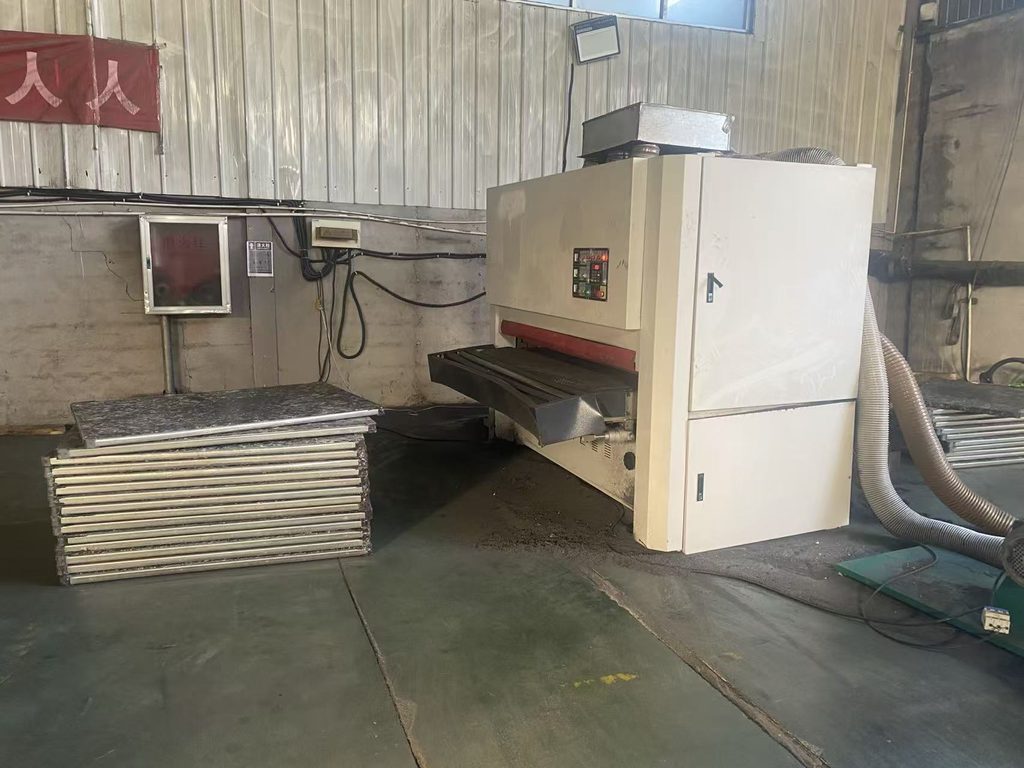
This thickness tier delivers measurably better load distribution. Deflection under 2000 kg static load drops to 1.8-2.2mm, keeping surface flatness within ±1.5mm across the entire pallet. You can handle brick weights up to 2200 kg without structural concerns, which covers standard clay brick, concrete block, and most paver applications. Density increases to 1120-1150 kg/m³, with surface hardness reaching 74-77 Shore D.
Service life extends to 10-12 years in moderate production environments. The 12mm profile maintains dimensional stability through 15,000-20,000 production cycles, supporting automated brick making machines that demand consistent pallet geometry for proper brick release and stacking. Material cost increases 15-20% over 10mm configurations, but the extension in useful life and reduction in brick breakage typically generates positive ROI within 18-24 months.
15mm GMT Pallets: Heavy-Duty Specification
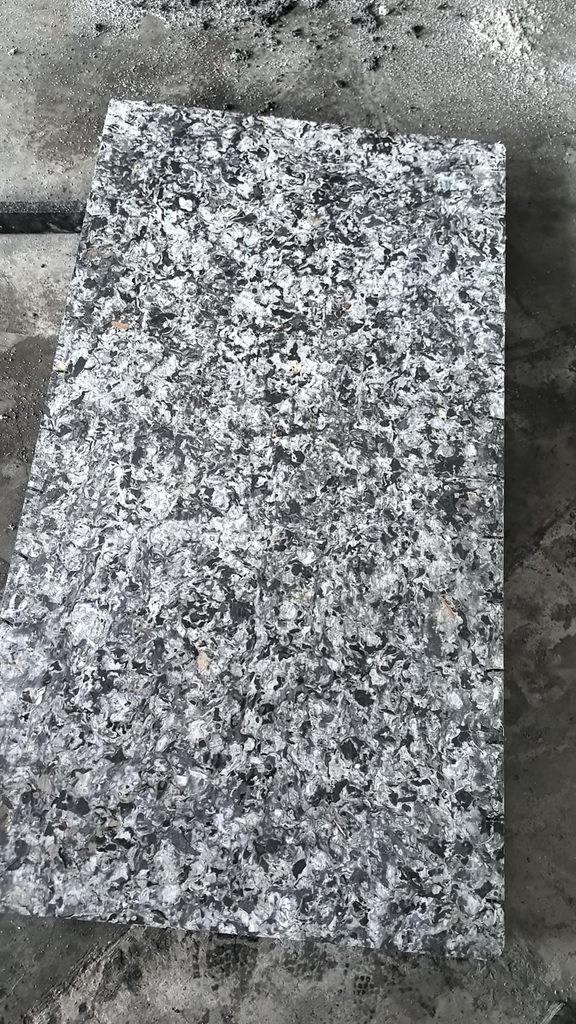
15mm pallets are engineered for maximum load capacity and extended service life in demanding production environments. Construction employs 4-5 glass fiber layers at 45-50% reinforcement content, compression molded at 150-180 bar. The high pressure achieves near-complete fiber wet-out and consolidation, producing laminate quality comparable to aerospace-grade composites. Void content drops below 1%, and interlaminar shear strength exceeds 25 MPa.
Structural performance shows dramatic improvement. Deflection under 3000 kg load remains under 1.5mm, maintaining surface flatness within ±1mm specification required by precision brick molding systems. You can safely handle the heaviest clay brick products, dense concrete blocks, and specialty applications like refractory brick where individual units exceed standard weight. Density reaches 1180-1220 kg/m³ with surface hardness 76-80 Shore D.
The thermal mass advantage becomes significant in autoclaved or kiln-cured applications. A 15mm pallet stores 50% more thermal energy than a 10mm configuration, which dampens temperature fluctuations during cure cycles and reduces thermal stress in finished bricks. Production facilities report 30-40% reduction in thermal crack defects when upgrading from 10mm to 15mm pallets in high-temperature processes.
Service life extends to 12-15 years even in harsh operating conditions. The additional material volume creates a wear allowance that maintains structural integrity through 25,000-30,000 production cycles. Material cost is 35-45% higher than 10mm pallets, but lifecycle analysis shows this configuration delivers the lowest cost per brick in high-volume operations producing over 300,000 units monthly.
Load Capacity and Deflection by Thickness
Load capacity and deflection are the engineering specifications that determine whether a pallet thickness matches your production requirements. These values are measured under standardized test conditions: uniformly distributed static load, supported on a flat surface, at 23°C ambient temperature. Production conditions include dynamic loading, handling impacts, and temperature variation, so real-world performance typically runs 15-20% below laboratory values.
| Thickness | Safe Static Load | Max Load Capacity | Deflection at 2000 kg | Deflection at 3000 kg | Recommended Brick Weight |
|---|---|---|---|---|---|
| 10mm | 1800 kg | 2200 kg | 3.2-3.8mm | 5.1-6.2mm | Up to 1600 kg |
| 12mm | 2200 kg | 2800 kg | 1.9-2.3mm | 3.0-3.6mm | Up to 2000 kg |
| 15mm | 2800 kg | 3500 kg | 1.1-1.4mm | 1.7-2.1mm | Up to 2600 kg |
Safe static load represents the weight the pallet can support continuously without accelerated creep or fatigue damage. Max load capacity is the short-duration peak the structure can withstand during handling or stacking operations. You should specify pallets where your typical brick load falls 15-20% below the safe static load rating to maintain dimensional stability across the pallet’s service life.
Deflection directly affects brick quality. Surface deviation above 2.5mm creates measurable dimensional variation in molded bricks, which manifests as height inconsistency, surface roughness, or corner defects. Automated production lines with precision stacking systems require deflection under 2mm to prevent jamming or misalignment. If your quality specifications demand tight dimensional control, thicker pallets deliver performance advantages that offset their higher material cost.
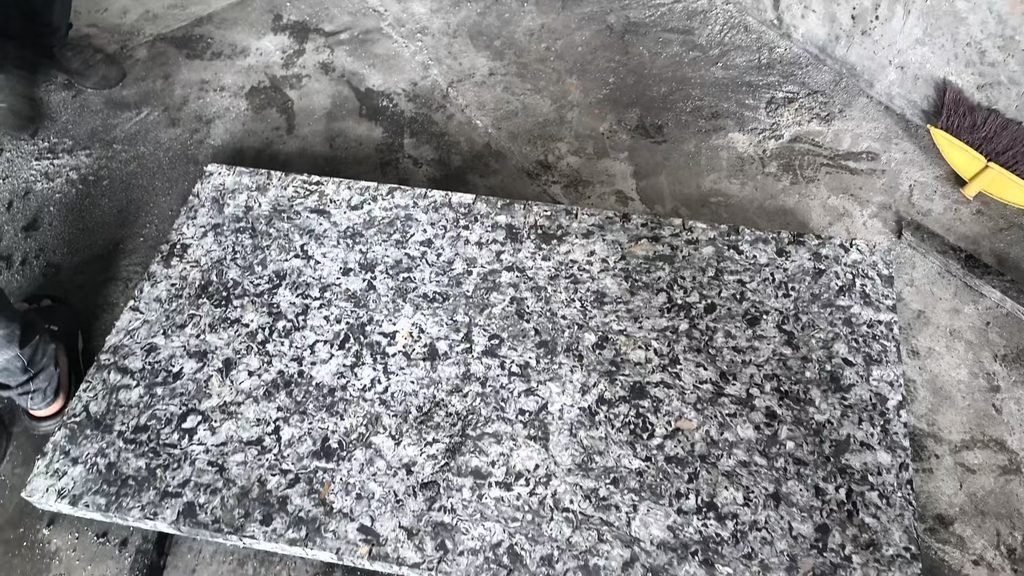
Impact resistance follows similar patterns. A 10mm pallet can absorb 15-18 kJ/m² impact energy before cracking, while a 15mm configuration withstands 32-38 kJ/m². This difference matters in mechanized handling systems where pallets experience repeated fork lift impacts, conveyor drops, or robotic placement forces. Facilities report 40-50% fewer handling-related pallet failures when upgrading from 10mm to 12mm or 15mm specifications.
Service Life Comparison: 10mm vs 12mm vs 15mm
Service life represents the number of production cycles a pallet completes before wear, deflection, or surface degradation forces replacement. This metric directly determines lifecycle cost because it controls replacement frequency over the facility’s operating timeline. Field data from 40+ brick plants shows clear service life patterns by thickness tier, climate conditions, and production intensity.
| Thickness | Service Life (Years) | Production Cycles | Wear Rate (mm/year) | Climate Impact | Replacement Rate |
|---|---|---|---|---|---|
| 10mm | 8-10 years | 12,000-15,000 cycles | 0.20-0.25mm | High | 10-12% annual |
| 12mm | 10-12 years | 18,000-22,000 cycles | 0.18-0.22mm | Moderate | 8-10% annual |
| 15mm | 12-15 years | 25,000-30,000 cycles | 0.15-0.18mm | Low | 6-8% annual |
Service life scales with thickness because wear removes material at a relatively constant rate determined by fiber content and surface hardness. A 10mm pallet loses structural integrity when abrasion reduces thickness below 7-7.5mm, which occurs after 12,000-15,000 production cycles in typical operations. A 15mm pallet maintains adequate stiffness until thickness drops to 11-12mm, extending useful life by 80-100%.
Climate conditions significantly affect service life through thermal cycling effects. High humidity environments accelerate matrix degradation in thinner pallets, reducing 10mm service life from 10 years to 8 years in tropical or coastal facilities. GMT pallets in humid climates show 15mm configurations maintain performance better because the increased thickness provides thermal mass that stabilizes temperature and moisture gradients.
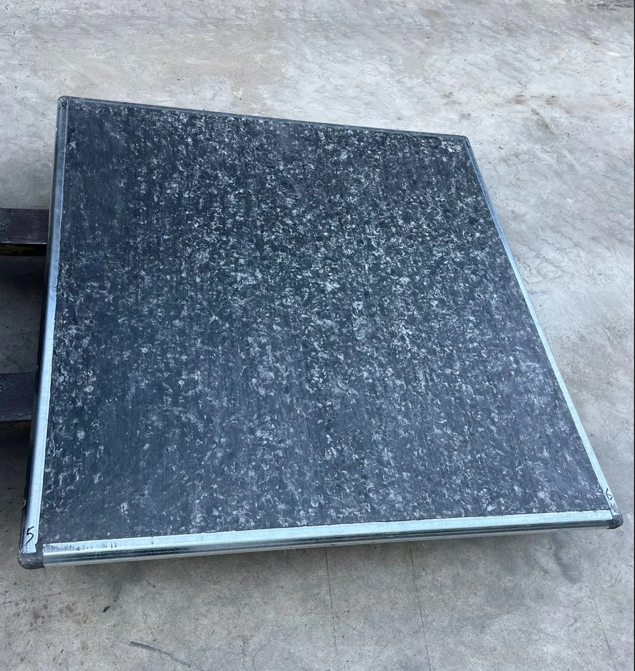
Production intensity multiplies wear rates. A facility running single-shift operations (8 hours daily, 5 days weekly) generates approximately 1200-1500 annual cycles per pallet. That 10mm pallet lasts its full 10-year service life. A high-intensity operation running three shifts, seven days weekly produces 4500-5000 annual cycles, compressing that same 10mm pallet’s service life to under 3 years. Thickness selection must account for actual production schedules, not just brick weight.
Replacement cost economics shift dramatically with service life differences. A 200-pallet fleet of 10mm units at $85 each requires replacing 20-24 pallets annually ($1700-2040). That same fleet in 15mm configuration at $115 each replaces 12-16 units annually ($1380-1840). The 15mm option costs $6000 more initially but generates $320-200 annual savings through reduced replacement frequency, achieving break-even in 15-20 years while delivering superior brick quality throughout.
Brick Quality Impact
Pallet thickness affects brick quality through three mechanisms: surface flatness consistency, thermal transfer characteristics, and dimensional stability under cyclic loading. These factors directly influence defect rates, dimensional tolerance, and finished product appearance in ways that become measurable in production data.
Surface flatness deviation creates the most visible quality issues. A 10mm pallet deflecting 3.5mm under load produces bricks with 0.8-1.2mm height variation from edge to center, which exceeds tolerance specifications for architectural and precision applications. That variation appears as rocking when bricks are stacked, visible coursing irregularities in finished walls, and potential rejection by quality control. A 15mm pallet maintaining deflection under 1.5mm reduces height variation to 0.3-0.5mm, within acceptable limits for premium products.
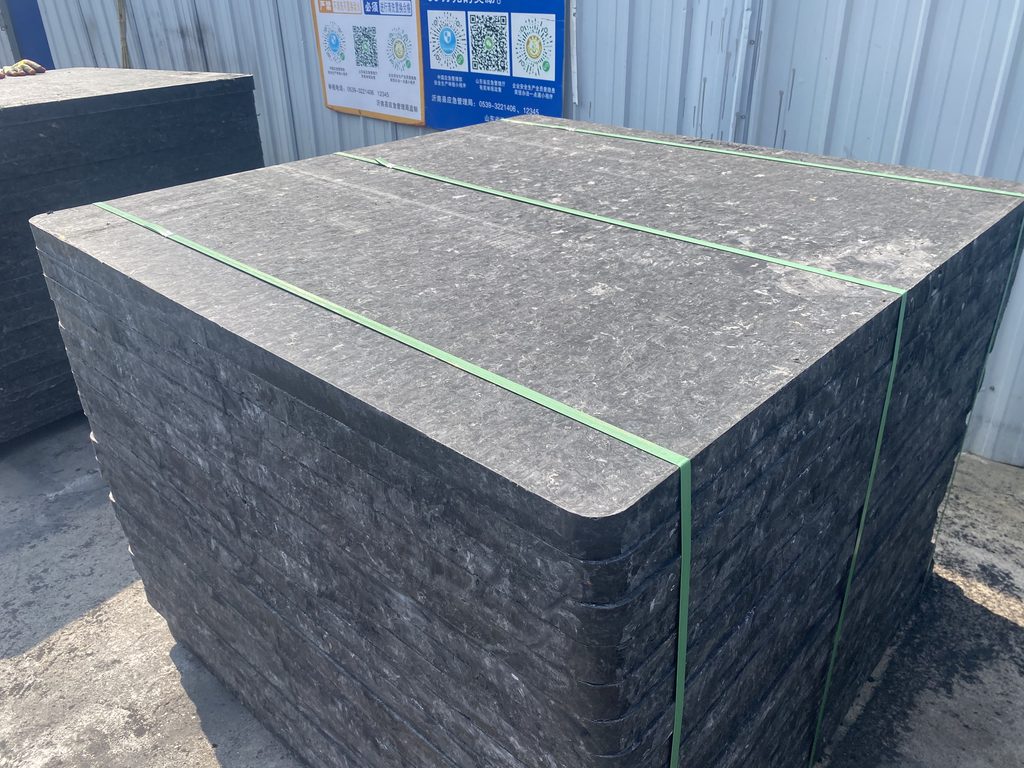
Thermal conductivity affects cure quality in autoclaved and kiln-cured operations. Thicker pallets stabilize temperature gradients across the brick-pallet interface, reducing thermal stress that causes micro-cracking. Production data from facilities processing high-density clay brick shows 15mm pallets reduce thermal crack defects by 35-45% versus 10mm configurations. This improvement directly impacts yield rates and reduces material waste from rejected units.
| Thickness | Defect Rate | Height Variation | Thermal Cracks | Surface Marks | Overall Quality Score |
|---|---|---|---|---|---|
| 10mm | 8-12% | ±0.9-1.3mm | 4-6% | 3-5% | 6.5/10 |
| 12mm | 4-7% | ±0.5-0.8mm | 2-3% | 1.5-2.5% | 8/10 |
| 15mm | 2-4% | ±0.3-0.5mm | 1-1.5% | 0.5-1% | 9/10 |
Dimensional stability across repeated cycles prevents cumulative quality drift. Thinner pallets experience measurable creep under sustained loading, which gradually increases deflection over the pallet’s service life. A 10mm pallet may start production with 2.8mm deflection but reach 4.2mm deflection after 8000 cycles, even though loading conditions remain constant. This creep progression slowly degrades brick dimensional consistency until the pallet requires replacement. Thicker pallets resist creep better, maintaining dimensional stability through more production cycles before quality degradation becomes visible.
Surface texture transfer is another quality consideration. Fiber-reinforced pallets develop micro-texture from repeated molding cycles. Thinner pallets show this texture evolution faster because wear progresses through the surface layer more quickly. If your product specifications require smooth brick surfaces for architectural applications, 15mm pallets maintain surface finish quality longer than thinner alternatives.
Production Volume Matching
Production volume determines the total number of loading cycles each pallet experiences annually, which directly affects which thickness tier delivers optimal lifecycle economics. The relationship between volume and thickness selection is not intuitive because higher volume operations benefit from thicker pallets in ways that low-volume facilities do not.
Low Volume: 50,000-150,000 Bricks Monthly
Operations in this range typically run single-shift or two-shift schedules with manual or semi-automated handling. Annual production cycles per pallet range from 1200-2400, which means even 10mm pallets can deliver their full 10-year service life. Material cost dominates the economics because replacement frequency stays low regardless of thickness choice.
You should specify 10mm pallets when brick weight stays under 1600 kg and quality tolerance allows ±1mm dimensional variation. The lower upfront cost ($85 vs $115 for 15mm) matters more than service life extension because low production intensity does not accelerate wear enough to justify premium thickness. A 200-pallet fleet saves $6000 initially with minimal quality compromise for standard concrete block or basic clay brick applications.
Medium Volume: 150,000-300,000 Bricks Monthly
This tier covers most commercial brick production facilities running two-shift or three-shift operations with automated or semi-automated lines. Annual cycles per pallet reach 3000-4500, which begins to stress 10mm configurations and creates measurable quality differences between thickness tiers.
12mm pallets become the engineering recommendation because they balance cost, performance, and service life effectively. The moderate price premium ($95-105 vs $85 for 10mm) delivers deflection reduction that improves brick dimensional consistency while extending service life by 20-25%. Break-even analysis typically shows 12mm configurations recovering their additional cost through reduced brick breakage and lower replacement frequency within 18-24 months.
You can calculate the optimal thickness for your specific operation using this formula:
Optimal thickness tier = (Annual production volume × Defect cost per brick × Defect rate reduction) ÷ (Additional pallet cost × Fleet size)
When this ratio exceeds 1.5, the thicker pallet tier generates positive ROI within the standard equipment depreciation period.
High Volume: 300,000+ Bricks Monthly
High-intensity operations running three-shift, seven-day schedules generate 5000-7000 annual cycles per pallet. At this production rate, 10mm pallets reach end-of-life in under 3 years, creating frequent replacement cycles that disrupt production and compound material costs. Quality requirements also tighten because high-volume facilities typically serve commercial contracts demanding consistent brick specifications.
15mm pallets deliver the lowest cost per brick despite their 35-45% price premium over 10mm configurations. The combination of extended 12-15 year service life, superior load capacity, and minimal deflection reduces both replacement frequency and quality-related waste. Production data shows facilities processing over 300,000 bricks monthly achieve break-even on 15mm pallets within 10-14 months through operational savings.
Automated production lines benefit particularly from 15mm thickness because dimensional consistency directly affects machine cycle time. Automated stackers, robotic handling systems, and precision positioning equipment operate faster and with fewer jams when pallets maintain tight flatness tolerances. Several facilities report 8-12% throughput improvement after upgrading from 10mm to 15mm pallets purely from reduced handling delays.
Cost Analysis by Thickness Tier
Thickness selection appears as a simple material cost decision until you account for total lifecycle economics. The relationship between upfront cost, service life, replacement frequency, and quality impact creates distinct cost profiles where the highest initial investment often delivers the lowest cost per brick over the pallet fleet’s operating timeline.
| Cost Factor | 10mm Pallet | 12mm Pallet | 15mm Pallet |
|---|---|---|---|
| Unit price | $80-90 | $95-105 | $115-130 |
| Fleet cost (200 pallets) | $16,000-18,000 | $19,000-21,000 | $23,000-26,000 |
| Annual replacement (%) | 10-12% | 8-10% | 6-8% |
| Annual replacement cost | $1,600-2,160 | $1,520-2,100 | $1,380-2,080 |
| Service life | 8-10 years | 10-12 years | 12-15 years |
| Lifecycle cost (12 years) | $37,200-44,000 | $37,240-46,200 | $39,560-51,960 |
| Cost per brick (300k/mo) | $0.0086-0.0102 | $0.0086-0.0107 | $0.0092-0.0120 |
These numbers reveal why production volume shifts the optimal choice. At low volume (under 150,000 bricks monthly), 10mm pallets deliver the lowest lifecycle cost because replacement frequency stays manageable and quality differences remain minimal. At high volume (over 300,000 monthly), quality-related savings from reduced brick breakage and dimensional consistency offset the higher 15mm material cost, making them the most economical choice despite appearing expensive initially.
Break-even analysis for thickness upgrades:
10mm to 12mm upgrade: Additional investment of $3,000-3,000 on a 200-pallet fleet. Annual savings from reduced breakage and replacement: $1,200-1,800. Break-even: 18-30 months.
10mm to 15mm upgrade: Additional investment of $7,000-8,000. Annual savings: $2,400-3,600. Break-even: 24-40 months.
12mm to 15mm upgrade: Additional investment of $4,000-5,000. Annual savings: $1,200-1,800. Break-even: 28-50 months.
The 10mm to 12mm upgrade recovers cost fastest because it delivers substantial performance improvement for moderate additional investment. The 10mm to 15mm jump takes longer to break even but generates the largest cumulative savings over a 12-15 year timeline in high-volume operations.
Climate and Application Considerations
Temperature extremes, humidity levels, and production environment characteristics interact with pallet thickness in ways that affect performance and service life significantly. These environmental factors can shift the optimal thickness specification by one tier in either direction depending on operating conditions.
High Humidity Environments
Tropical, coastal, and humid continental climates accelerate moisture-related degradation in thinner pallets. While GMT pallet moisture resistance exceeds wood or standard plastic significantly, fiber-matrix interfaces still experience slow hydrolysis in sustained high-humidity conditions. A 10mm pallet loses 15-20% of its service life in environments maintaining over 75% relative humidity year-round, compressing useful life from 10 years to 8 years.
Thicker pallets resist humidity effects better because the increased material volume provides greater resistance to moisture penetration. A 15mm pallet in the same high-humidity environment experiences only 8-10% service life reduction, maintaining 11-12 years of useful operation. The additional thickness creates a moisture gradient that keeps the core material drier even when surface layers absorb some atmospheric moisture.
Extreme Temperature Applications
Operations involving autoclave curing (over 180°C) or kiln processes create thermal cycling stresses that affect thinner pallets more severely. The rapid temperature swings cause differential expansion between fiber and matrix phases, which gradually degrades interlaminar bond strength. 10mm pallets show measurable creep acceleration after 5000-6000 thermal cycles in high-temperature applications, versus 8000-10,000 cycles for 15mm configurations.
Thermal mass becomes protective. A 15mm pallet’s additional material volume stabilizes core temperature during rapid heating or cooling, reducing thermal shock stresses. Production facilities processing refractory brick or dense clay products in high-temperature kilns universally specify 15mm thickness to achieve acceptable service life in these demanding conditions.
Chemical Exposure
Brick production environments sometimes involve exposure to mold release agents, curing compounds, or cleaning chemicals that can affect thermoplastic matrix materials. Thicker pallets show better chemical resistance simply because the increased material volume extends the time required for chemicals to penetrate through to core layers. If your operation uses aggressive cleaning processes or specialized release agents, specify one thickness tier higher than load requirements alone would indicate.
When to Choose Each Thickness
Choose 10mm When:
- Brick weight stays consistently under 1600 kg
- Monthly production remains below 150,000 units
- Operating in moderate climate without humidity extremes
- Running manual or basic semi-automated production lines
- Initial capital budget is constrained
- Quality tolerance allows ±1-1.5mm dimensional variation
- Service life of 8-10 years meets replacement planning
Typical applications: standard concrete blocks, lightweight clay brick, low-intensity production, backup pallet inventory, temporary production setups, cost-sensitive operations.
Choose 12mm When:
- Brick weight ranges from 1600-2000 kg
- Monthly production runs 150,000-300,000 units
- Operating automated or semi-automated production lines
- Quality specifications require ±0.8mm dimensional tolerance
- Service life of 10-12 years optimizes replacement cycles
- Climate conditions include moderate humidity or temperature variation
- Break-even analysis shows ROI within 24 months
Typical applications: commercial clay brick production, standard concrete block manufacturing, automated production lines, facilities serving construction contracts with dimensional specifications, operations seeking balance between cost and performance.
Choose 15mm When:
- Brick weight exceeds 2000 kg regularly
- Monthly production surpasses 300,000 units
- Running high-speed automated production with robotic handling
- Quality specifications demand ±0.5mm dimensional control
- Operating in extreme climate (high humidity or temperature cycling)
- Processing specialty products (refractory brick, dense pavers, architectural units)
- Lifecycle cost analysis justifies premium investment
- Service life of 12-15 years matches facility planning horizon
Typical applications: high-volume commercial operations, premium architectural brick, automated production facilities, extreme climate locations, specialty products requiring precision, operations prioritizing quality over initial cost.
FAQ
Q: Can I mix different thicknesses in the same production line?
You should avoid mixing thicknesses in active production because deflection differences create height variation between pallets, which disrupts automated handling and stacking systems. If you must operate mixed thickness, group identical specifications together and run them in separate production batches. This prevents alignment issues in mechanical handling equipment.
Q: How do I measure actual deflection on my pallets?
Place the pallet on a flat reference surface, load it with your typical brick weight, and measure vertical displacement at the center point using a dial indicator or laser distance meter. Compare this measurement to the pallet’s unloaded state. Deflection exceeding manufacturer specifications by more than 15-20% indicates the pallet is nearing end of service life or is overloaded for its thickness rating.
Q: Does thickness affect brick release characteristics?
Not significantly. Release performance depends primarily on surface coating and texture rather than structural thickness. However, excessive deflection in thin pallets can create edge contact that makes brick release more difficult. If you experience release problems with current pallets, increasing thickness may improve the situation by maintaining flatter surface geometry.
Q: Can 10mm pallets be upgraded with surface reinforcement?
Adding surface layers to existing pallets is not economically feasible. The compression molding process that creates GMT pallets cannot be duplicated in field conditions. If your 10mm pallets are proving inadequate, replacement with 12mm or 15mm specifications is the only practical upgrade path. Plan this replacement gradually as current pallets reach end of service rather than retrofitting existing inventory.
Q: How quickly does thickness affect production quality after installation?
Quality improvements appear immediately when upgrading to thicker pallets. Facilities report measurable reductions in dimensional variation and brick breakage within the first production week after transitioning from 10mm to 12mm or 15mm configurations. The performance difference becomes more pronounced over time as thinner pallets would begin showing accelerated wear and creep deflection.
Q: Do thicker pallets require different handling equipment?
Standard brick production equipment accommodates all three thickness tiers without modification. The weight difference between 10mm and 15mm pallets (approximately 4-6 kg per unit) falls well within handling system load ratings. Automated systems may require minor sensor adjustments to account for the height difference, but this is a simple calibration rather than equipment replacement.
Conclusion
Pallet thickness selection determines load capacity, service life, and brick quality outcomes that directly affect production economics and product consistency. The performance gap between 10mm, 12mm, and 15mm configurations is substantial: deflection differences of 2-3mm under working loads, service life variations of 4-7 years, and measurable impacts on dimensional tolerance and defect rates. Production volume, brick weight, climate conditions, and quality requirements interact to create distinct optimization points where each thickness tier delivers its best value proposition.
The engineering data shows clear patterns. Low-volume operations producing under 150,000 bricks monthly achieve lowest lifecycle cost with 10mm pallets when brick weight stays under 1600 kg. Medium-volume facilities running 150,000-300,000 units monthly find 12mm thickness delivers optimal balance between material cost and performance. High-volume operations exceeding 300,000 units monthly benefit from 15mm specifications despite their premium price because extended service life and superior quality outcomes generate positive ROI within 10-14 months.
If you need durable GMT pallets engineered for your specific production requirements, Rhinos Pallet offers comprehensive thickness options from 10mm to 15mm with fiber content up to 50% and load capacities reaching 3500 kg. Our manufacturing process uses high-pressure compression molding that delivers consistent mechanical properties, minimal void content, and proven service life of 10-15 years in demanding brick production environments.
Contact Rhinos Pallet for technical specifications tailored to your brick weight, production volume, and climate conditions, with engineering support to calculate optimal thickness based on your actual operating requirements.