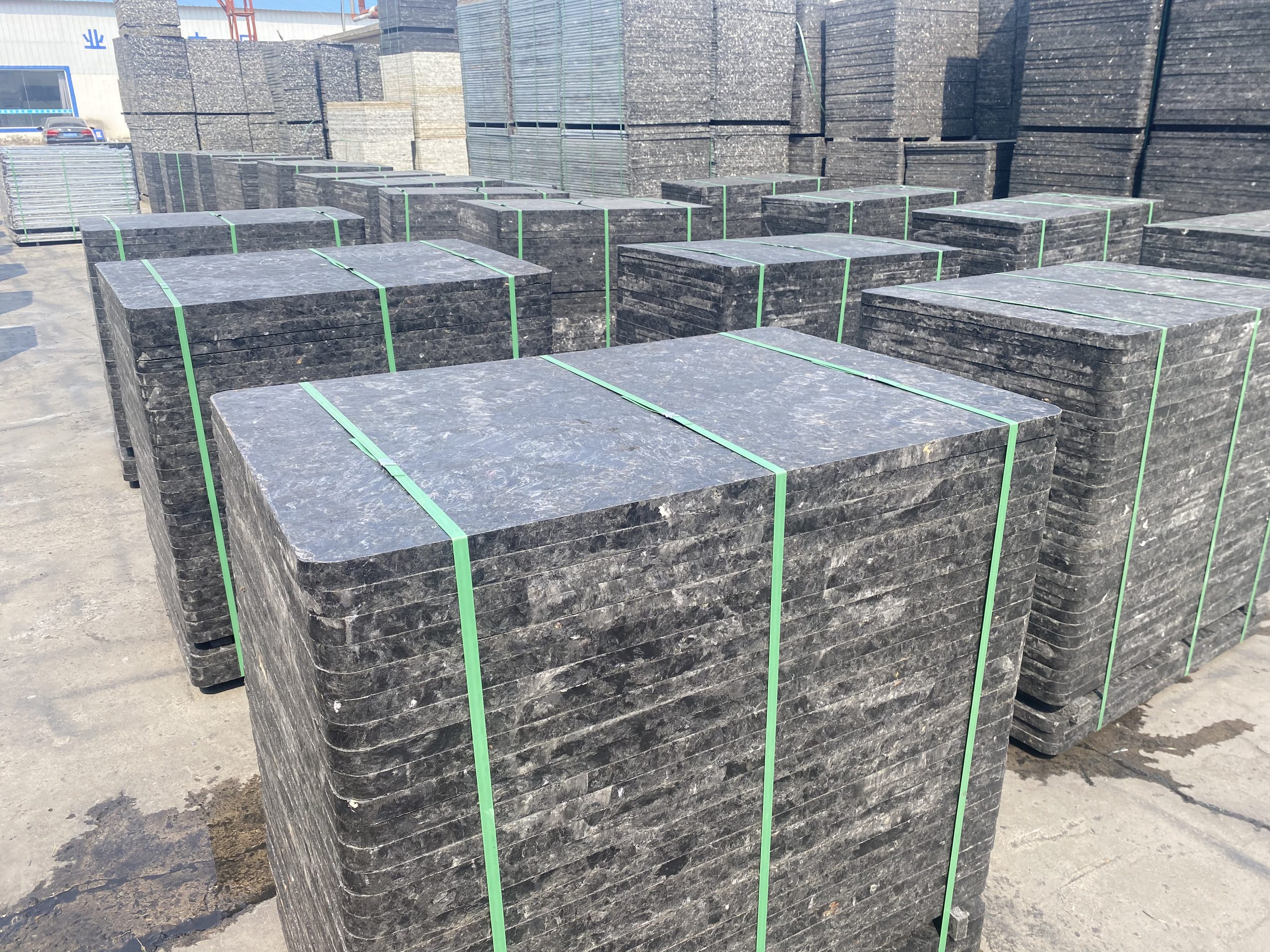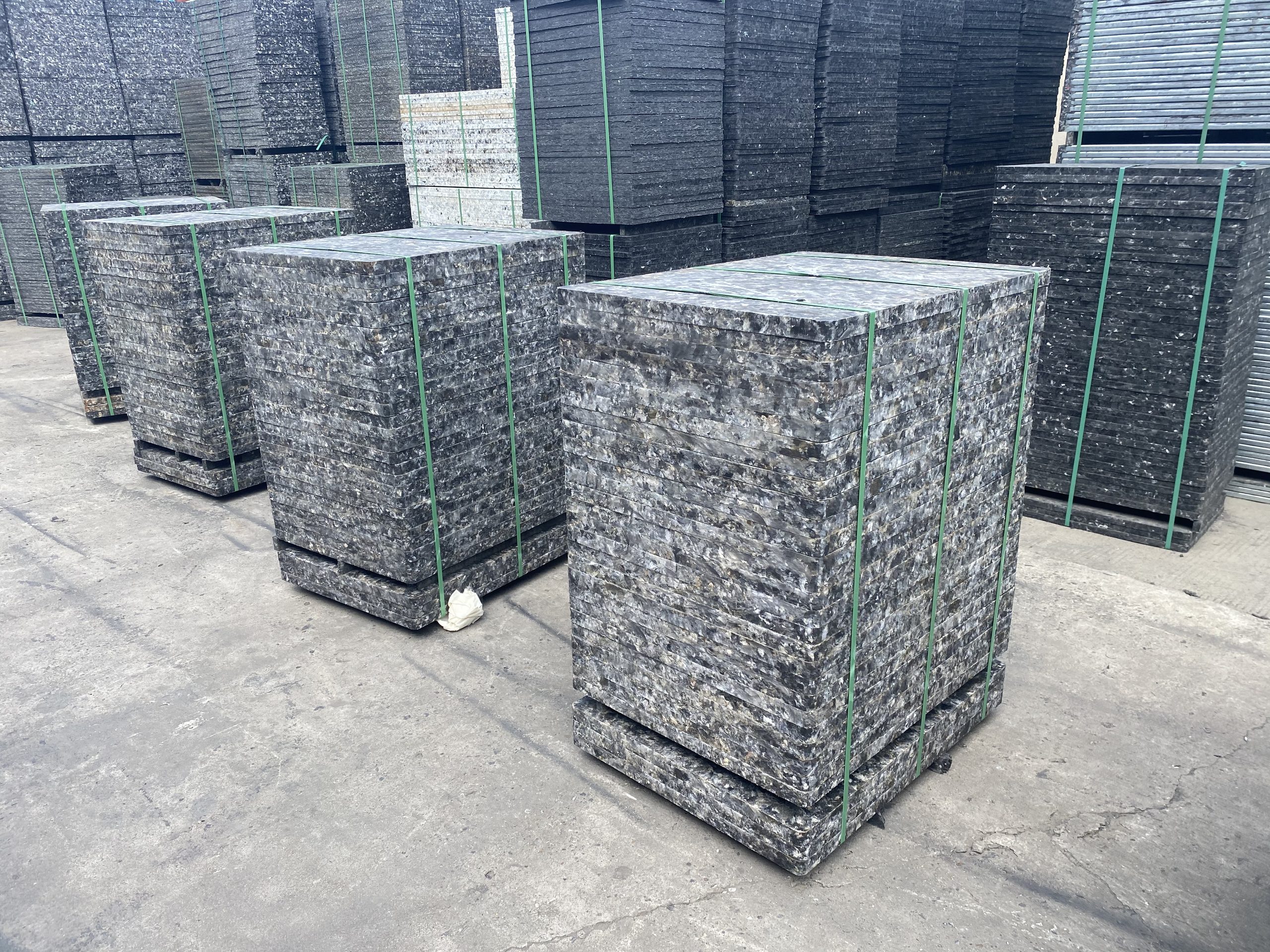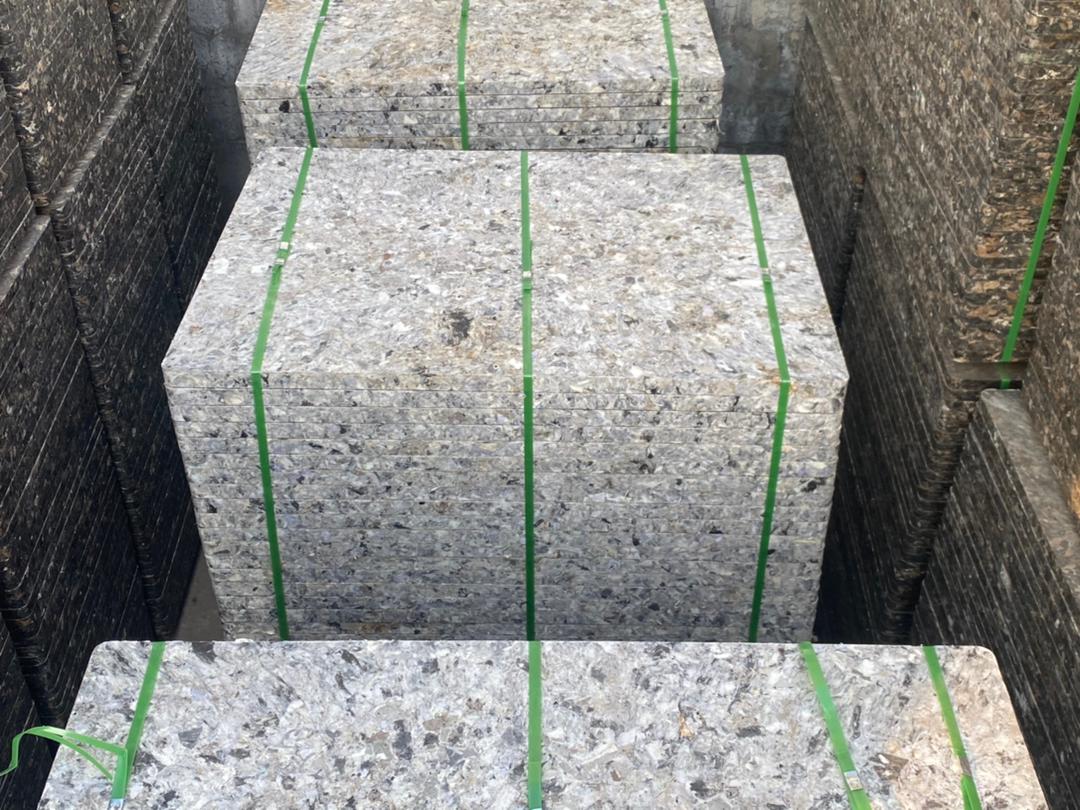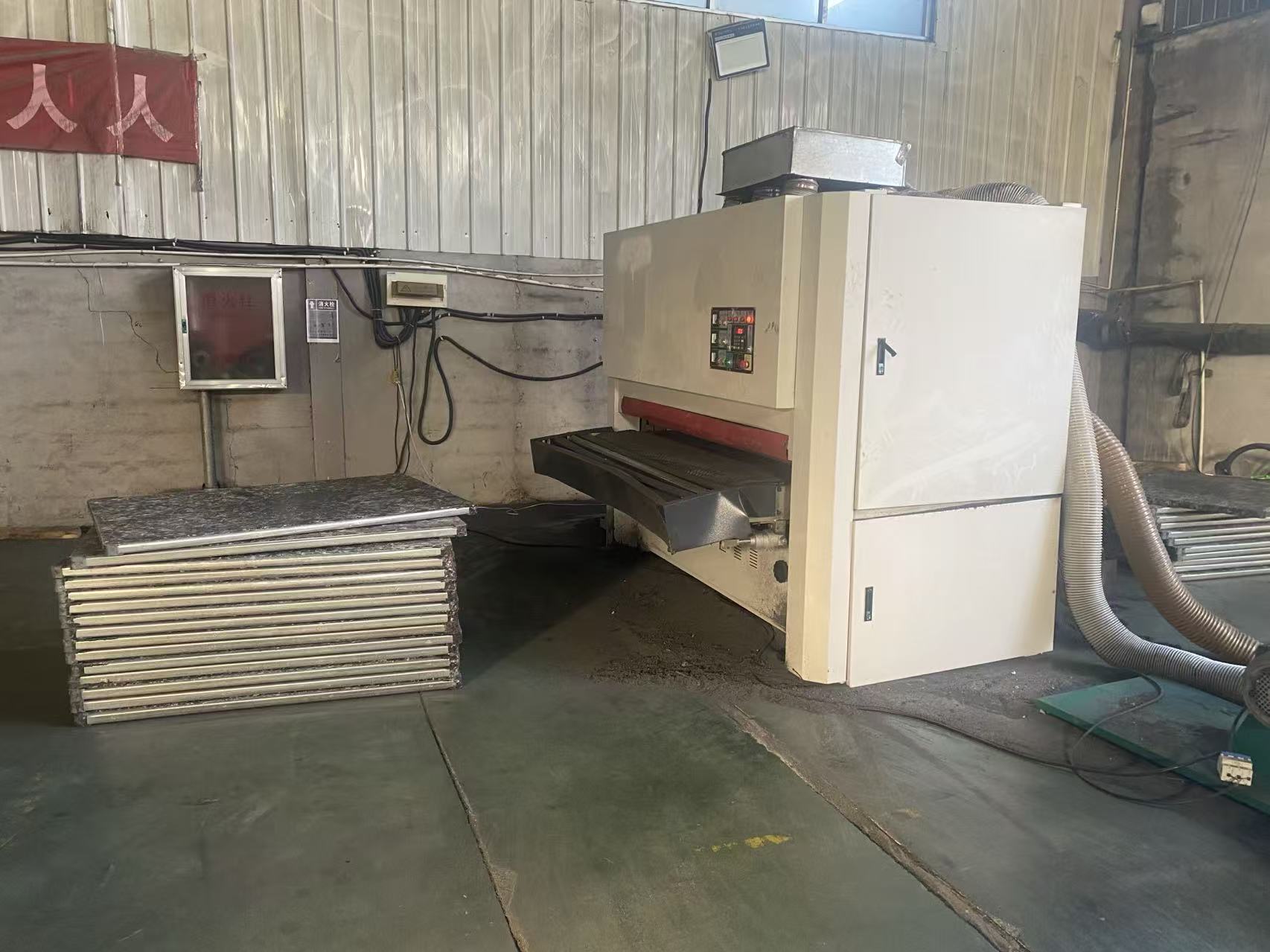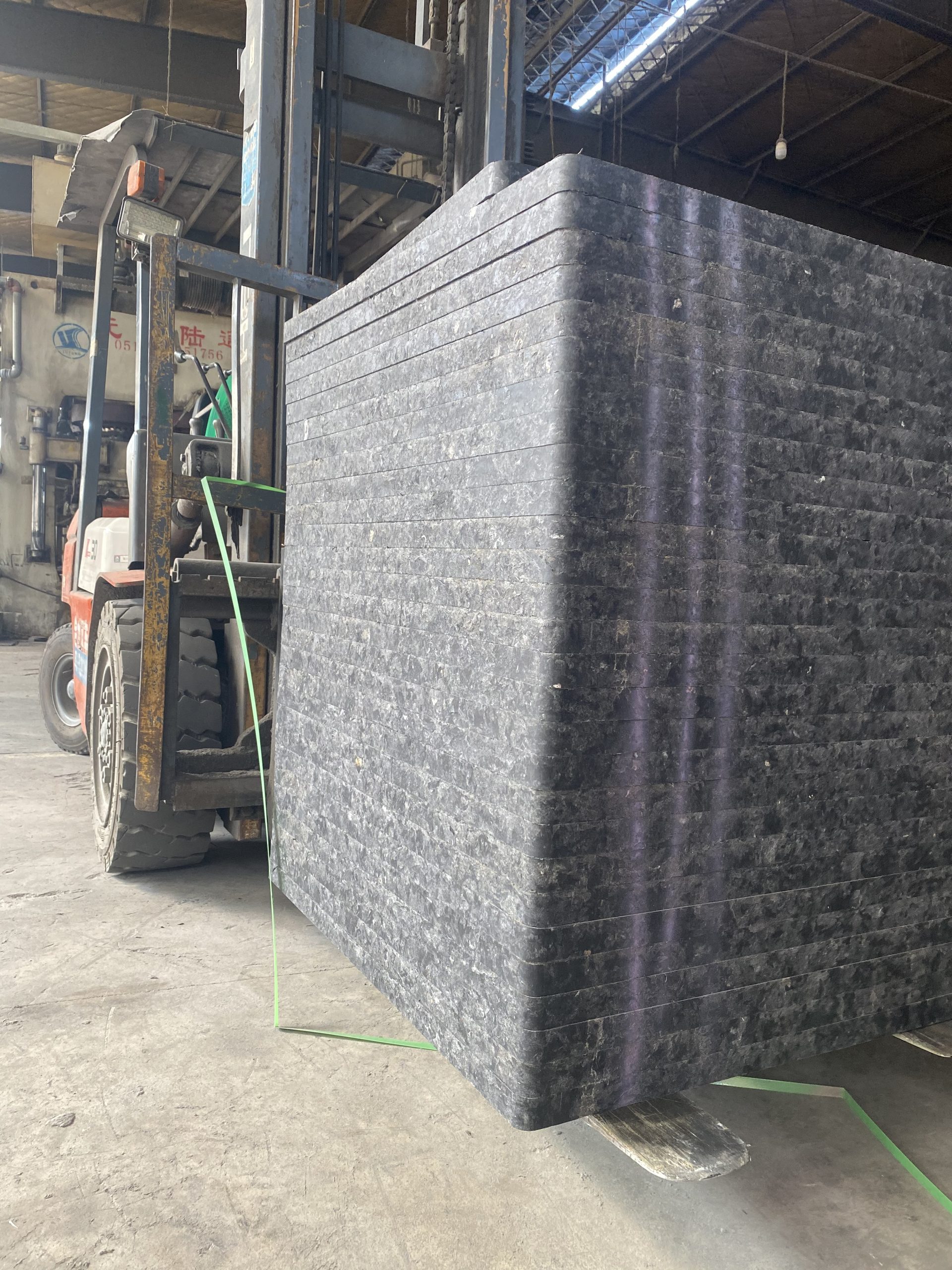
Composite waste from fiber-reinforced materials accounts for an estimated 40,000-50,000 tonnes annually in industrial manufacturing sectors, with proper end-of-life management becoming critical as environmental regulations tighten globally. For brick manufacturers using GMT pallets with 10-12 year service lives, understanding recyclability, disposal methods, and circular economy integration is essential for responsible operations and long-term sustainability planning.
Why End-of-Life Planning Matters for GMT Pallets
Environmental Responsibility and Regulatory Compliance
Manufacturing facilities face increasing pressure from environmental regulations governing composite material disposal. The European Union’s Circular Economy Action Plan and similar frameworks in Asia-Pacific regions mandate that industrial materials achieve minimum recycling rates and restrict landfill disposal of recoverable composites. Research shows that composite materials constitute an appealing choice in many sectors due to their durability, but their long-term environmental impact depends entirely on end-of-life strategies.
GMT pallets with glass fiber thermoplastic construction offer superior recyclability compared to thermoset composites. The thermoplastic matrix allows reprocessing through mechanical and thermal methods, recovering 85-95% of material value. High Quality GMT Pallet G-003 and other fiber-reinforced pallets meet environmental compliance requirements while capturing material value through proper recycling channels.
Material Recovery Economics
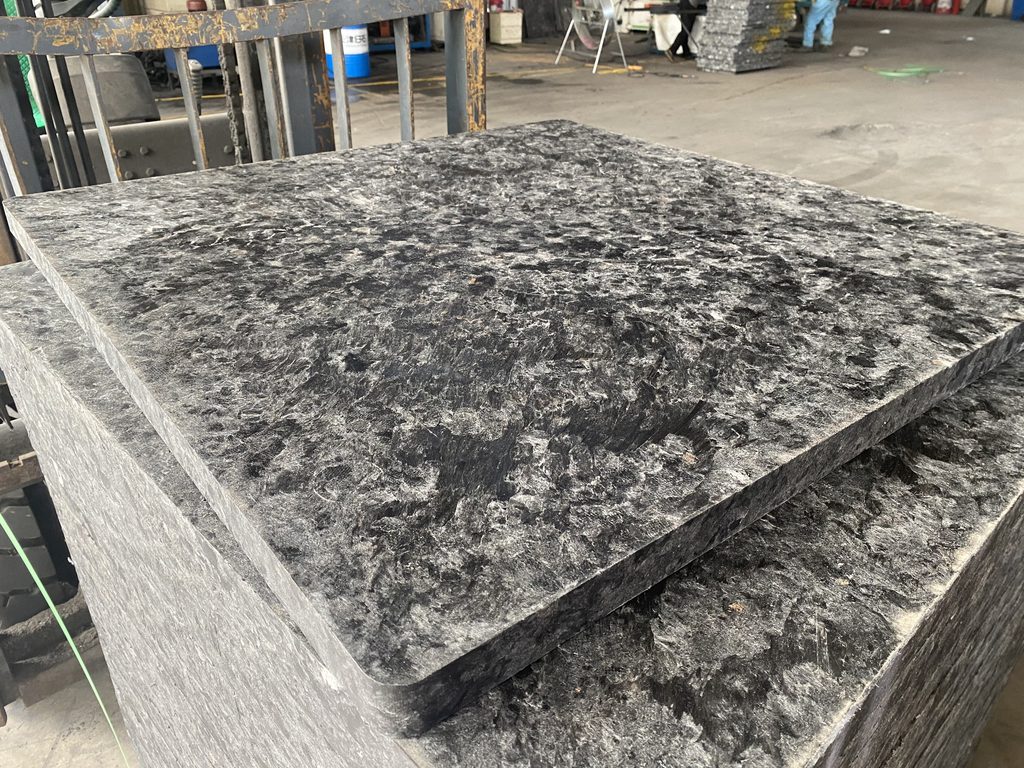
End-of-life GMT pallets retain significant material value. Recovered glass fiber-reinforced thermoplastic trades at $0.80-1.20 per kg in recycling markets. A facility retiring 1,000 GMT pallets (20 kg each) recovers 20,000 kg worth $16,000-24,000. This economic advantage favors material recovery over disposal costs of $80-100 per pallet.
Understanding GMT Pallet Material Composition
Glass Mat Thermoplastic Structure
GMT pallets consist of glass fiber mats (30-40% by weight) embedded in thermoplastic polymer matrix (60-70%), typically polypropylene or polyethylene. Unlike thermoset composites, the thermoplastic matrix softens at 160-180°C, enabling reprocessing. Glass fibers remain intact during thermal processing, maintaining reinforcement properties for secondary applications.
Recyclability Advantages Over Alternative Materials
| Material Type | Recyclability | Reprocessing Method | Material Recovery Rate | Secondary Applications |
|---|---|---|---|---|
| GMT Composite | Excellent | Mechanical/Thermal | 85-95% | Injection molding parts, composite panels |
| Thermoset Composite | Limited | Grinding only | 30-40% | Filler material, aggregate |
| Wood Pallets | Moderate | Chipping/burning | 60-70% | Mulch, fuel pellets, particle board |
| Standard Plastic | Good | Mechanical | 75-85% | Lower-grade plastic products |
| Glass Fiber Only | Poor | Fiber recovery | 40-50% | Insulation, composite filler |
The thermoplastic nature of GMT pallets enables closed-loop recycling where recovered material re-enters manufacturing streams. Studies on thermoplastic composites demonstrate zero-waste manufacturing potential through proper material recovery systems.
Recycling Methods for GMT Pallets
Mechanical Recycling Process
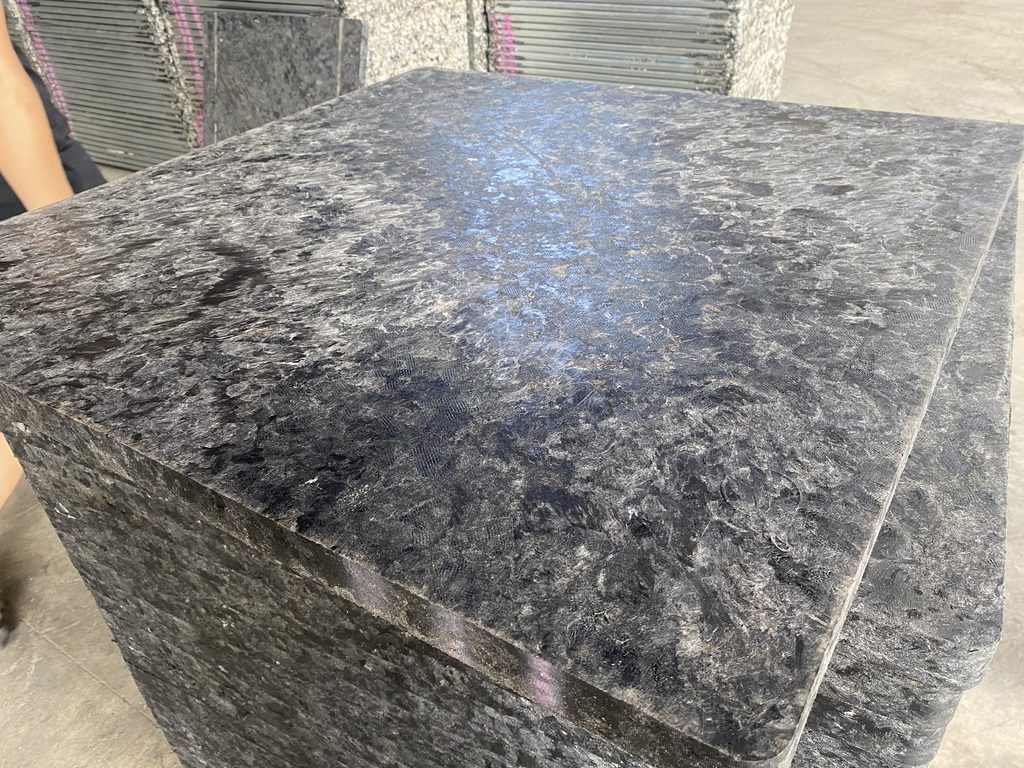
Mechanical recycling represents the most economical and environmentally favorable method for GMT pallet recovery. The process involves size reduction through shredding (25-50mm particles), contamination removal via density separation or washing, and reprocessing through injection molding or compression molding at 180-220°C. This method preserves fiber length and orientation, maintaining 70-80% of original mechanical properties in recycled material.
You can implement mechanical recycling for pallets showing surface wear, minor damage, or dimensional changes that don’t justify continued service. The shredded material integrates into injection molding operations producing automotive components, industrial housings, and secondary pallets for lower-load applications. Premium White GMT Brick Pallet G-002 and similar products demonstrate excellent mechanical recycling compatibility. Production facilities in Europe report mechanical recycling costs of $0.40-0.60 per kg, recovering $0.80-1.20 per kg in material value.
Thermal Recovery and Energy Conversion
Heavily contaminated GMT pallets unsuitable for material recycling undergo controlled thermal conversion. Glass fiber reinforced thermoplastics provide 18-22 MJ/kg heating value, comparable to low-grade coal. Cement kilns and industrial boilers accept GMT composite as supplementary fuel, with glass fibers integrating into cement clinker without ash disposal requirements.
Advanced thermal recycling methods including pyrolysis at 400-550°C recover both energy and fiber components. Recovery rates reach 88-92% of total material mass, though capital equipment requirements limit adoption to large-scale facilities.
Chemical Recycling for High-Purity Recovery
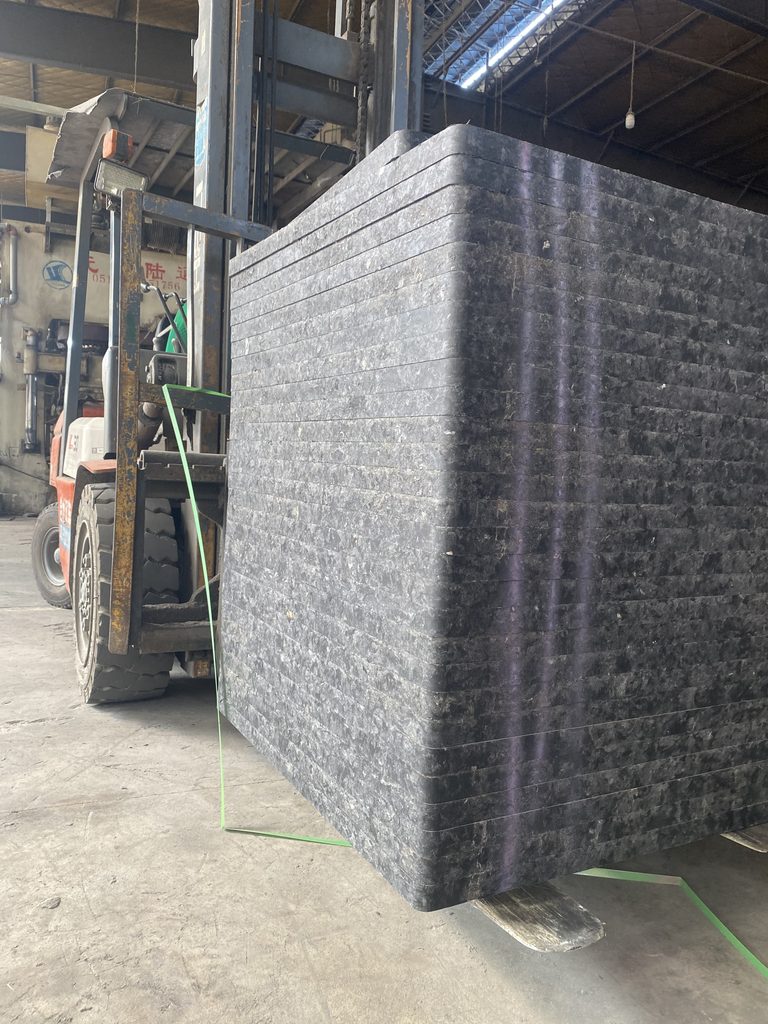
Chemical recycling dissolves thermoplastic matrix through solvents, separating clean glass fibers from polymer components. This method achieves 95-98% fiber recovery with properties matching virgin fibers. Processing costs range from $1.80-2.40 per kg, justified by premium pricing for recovered fibers ($2.50-3.20/kg). Regional facilities operate in Netherlands, Germany, and Japan.
Circular Economy Integration
Take-Back Programs and Extended Producer Responsibility
Progressive GMT pallet manufacturers implement take-back programs where end-of-life pallets return to production facilities for recycling. Rhinos Pallet offers material recovery services for facilities replacing pallet inventories, providing credit toward new pallet purchases based on returned pallet condition and quantity. Black Glass Fiber Pallet BG-005 and Pure White GMT Pallet G-001 are among products eligible for take-back programs. This closes the material loop while reducing customer disposal responsibilities.
You can negotiate take-back arrangements during initial pallet procurement, establishing return logistics and credit values. Yellow Fiber Brick Pallet Y-006 and White Yellow GMT Pallet GY-004 also qualify for material recovery programs. Typical programs offer $8-15 per returned GMT pallet in serviceable condition, $3-6 for damaged pallets requiring shredding. Volume agreements (500+ pallets) justify dedicated logistics, reducing per-unit transportation costs.
Cascade Use Applications
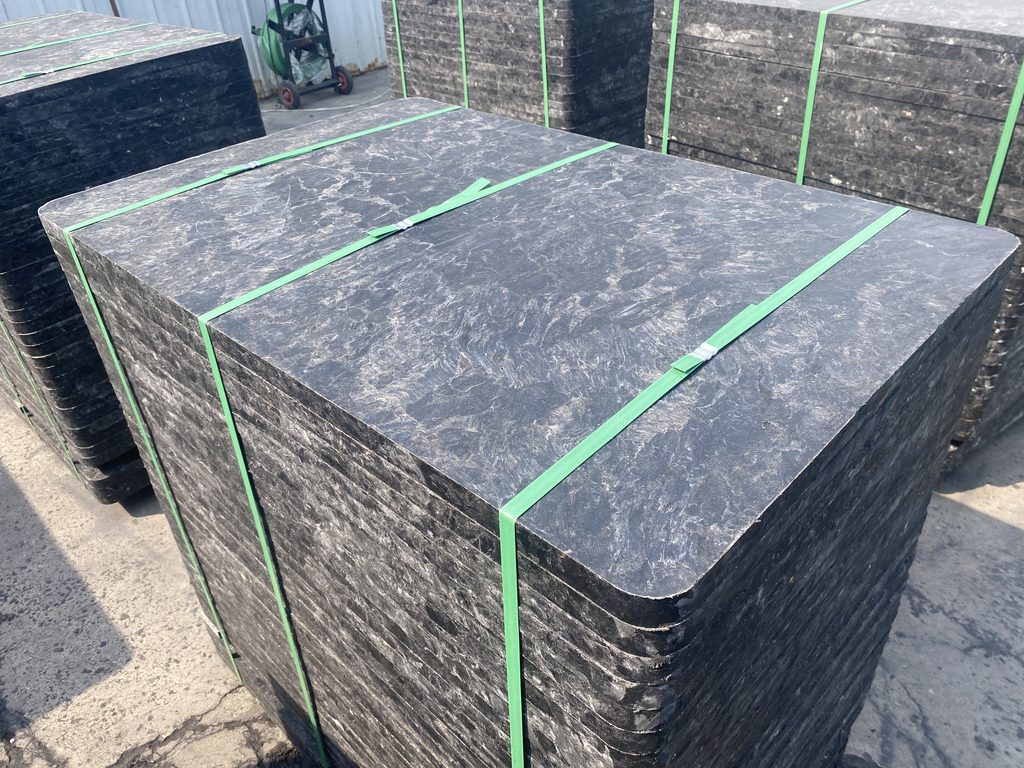
GMT pallets reaching end-of-life for brick production may retain 60-75% of original load capacity for lower-demand applications. Secondary markets include warehouse storage, landscaping borders, and equipment mounting bases, extending total service life to 15-18 years before final recycling. Regional refurbishment operations purchase used pallets at $20-35, perform repairs, then resell at $45-65 for general warehousing.
Regional Disposal Regulations and Best Practices
European Union Requirements
EU member states enforce Extended Producer Responsibility (EPR) directives requiring manufacturers to manage product end-of-life. The EU Waste Framework Directive mandates 70% recycling rates for non-hazardous industrial waste by 2026. Facilities must document disposal methods through waste transfer notes and maintain recycling certification.
Circular economy platforms document best practices where facilities achieve 85-92% recycling rates through integrated material recovery programs. You should engage certified waste management contractors holding ISO 14001 certification and providing chain-of-custody documentation for regulatory compliance.
Asia-Pacific Frameworks
China’s Solid Waste Pollution Prevention Law requires facilities to minimize waste and maximize recovery. Japan’s Resource Circulation Law incentivizes recycling through disposal surcharges. Southeast Asian nations increasingly adopt extended producer responsibility frameworks modeled on European directives.
North American Standards
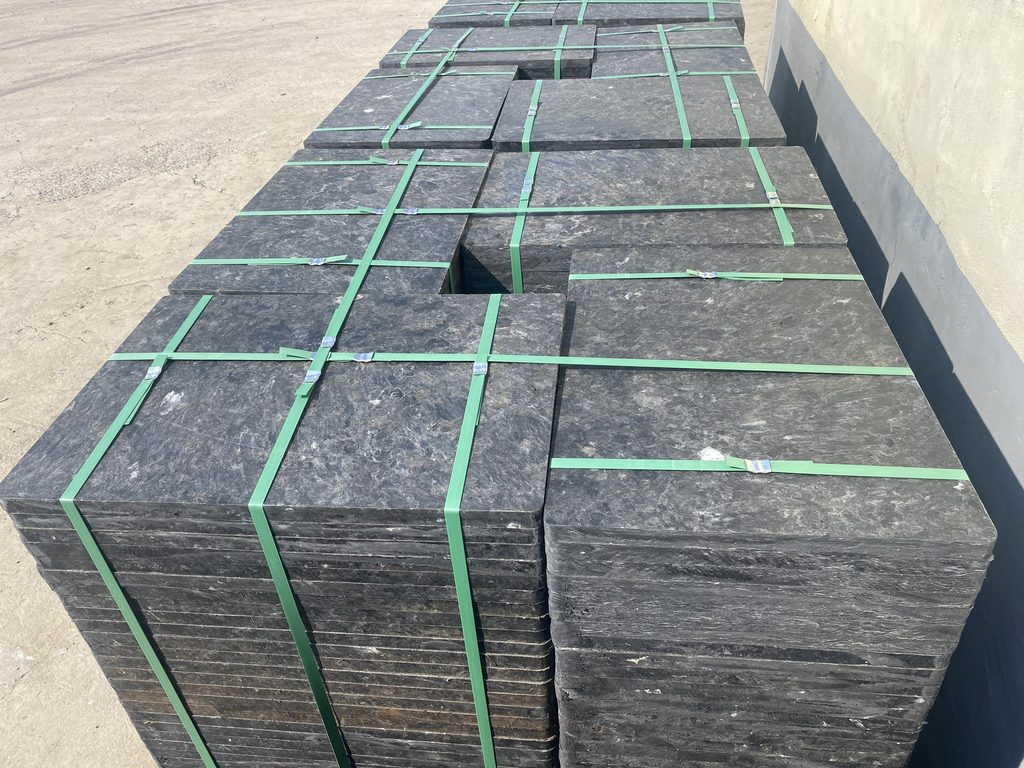
United States EPA classifies GMT composites as non-hazardous solid waste, regulated under RCRA Subtitle D. State-level regulations vary, with California, Oregon, and Washington implementing landfill bans for recyclable composites. Canadian provinces follow federal Waste Hierarchy principles prioritizing reduction, reuse, and recycling over disposal.
Preparing Pallets for Recycling
Contamination Removal Requirements
Recyclers require GMT pallets with <3% contamination for mechanical recycling acceptance. Remove concrete residue through pressure washing (2,000-3,000 PSI), separate metal reinforcements, and eliminate organic material. Clean pallets command $0.20-0.40/kg premium over contaminated material. Establish cleaning protocols including 48-hour drying, visual inspection, and batch segregation.
Sorting and Categorization
| Condition Category | Recovery Method | Material Value | Processing Requirements |
|---|---|---|---|
| Clean, Minor Wear | Direct remanufacturing | $1.00-1.20/kg | Surface cleaning only |
| Surface Contamination | Mechanical recycling | $0.80-1.00/kg | Washing, shredding |
| Heavy Contamination | Thermal recovery | $0.20-0.40/kg | Direct to energy conversion |
| Structural Damage | Mechanical recycling | $0.60-0.80/kg | Contamination removal, grinding |
| Mixed Materials | Separation required | $0.40-0.60/kg | Manual disassembly, sorting |
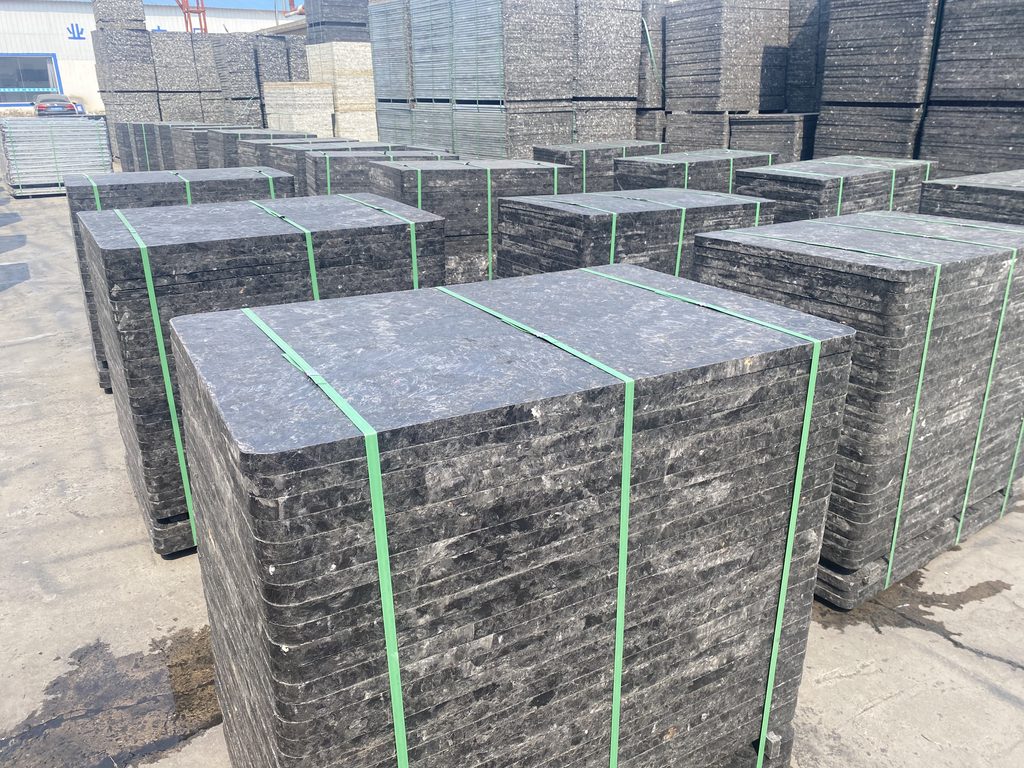
Sort pallets into these categories during retirement to maximize recovery value and streamline recycling processing. Facilities implementing formal sorting protocols report 25-35% higher material recovery revenues compared to mixed-batch disposal.
Alternative Disposal Methods
Controlled Landfill Disposal
When recycling infrastructure is unavailable or contamination prevents material recovery, GMT pallets require disposal in permitted industrial waste landfills. The glass fiber thermoplastic composition is chemically inert, posing no groundwater contamination risk. However, the non-biodegradable nature means pallets persist for 200+ years without decomposition.
Landfill disposal costs range from $80-150 per tonne depending on region and facility proximity. You should minimize landfill disposal through advance recycling planning and engagement with material recovery networks. Many regions now restrict or prohibit composite landfilling, making recycling pathways essential regardless of cost considerations.
Repurposing for Non-Production Applications
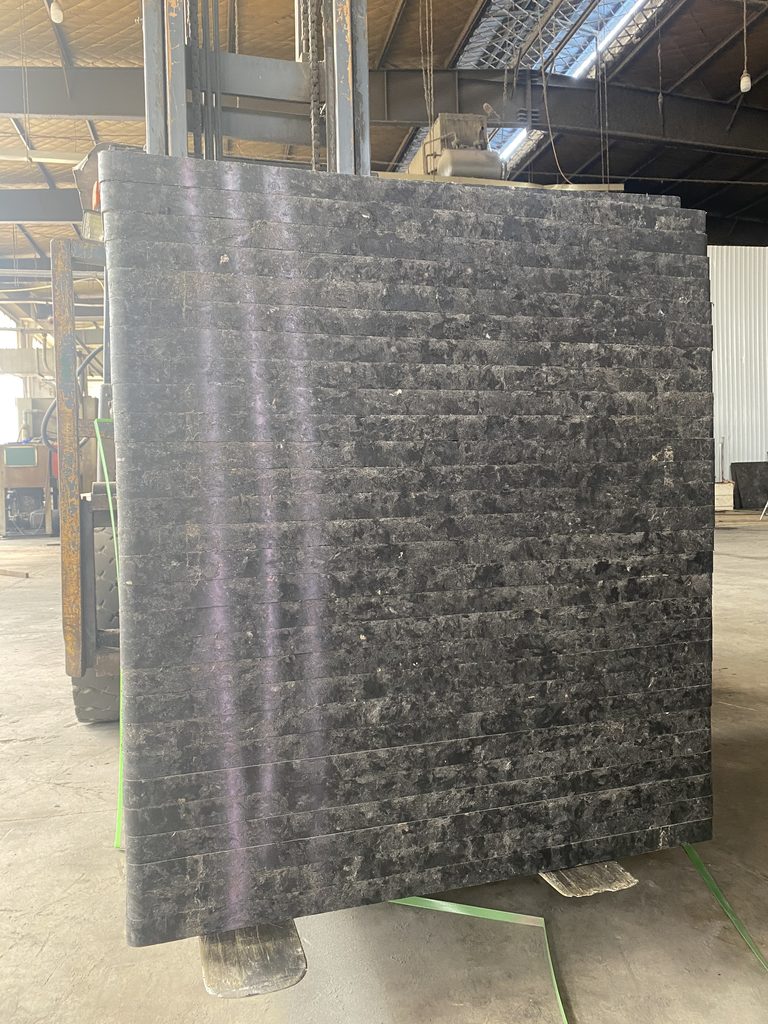
GMT pallets unsuitable for continued brick production often serve alternative on-site purposes. Common repurposing applications include equipment bases (supporting motors, pumps, compressors), protective ground covering in high-traffic zones, material handling pallets for finished brick storage, and temporary roadway surfaces for vehicle access. Fiber Brick Pallet F-008 and Half GMT Pallet HG-007 find secondary use in these applications, extending service life 3-5 additional years before final disposal.
Economic Analysis of Disposal Options
Cost Comparison Across Methods
| Disposal Method | Processing Cost | Material Recovery Value | Net Cost/Revenue | Environmental Impact Score |
|---|---|---|---|---|
| Mechanical Recycling | $0.40-0.60/kg | $0.80-1.20/kg | +$0.20-0.60/kg | 9/10 (excellent) |
| Chemical Recycling | $1.80-2.40/kg | $2.50-3.20/kg | +$0.70-0.80/kg | 8/10 (very good) |
| Thermal Recovery | $0.10-0.20/kg | $0.20-0.40/kg | +$0.10-0.20/kg | 5/10 (moderate) |
| Take-Back Credit | $0/kg | $8-15/pallet | +$0.40-0.75/kg | 10/10 (optimal) |
| Landfill Disposal | $0.08-0.15/kg | $0 | -$0.08-0.15/kg | 1/10 (poor) |
Material recycling consistently provides positive economic returns while meeting environmental responsibilities. A facility retiring 500 GMT pallets annually (10,000 kg total) generates $8,000-12,000 through recycling versus spending $800-1,500 for landfill disposal.
Long-Term Sustainability ROI
Corporate sustainability reporting increasingly values circular economy metrics including material recovery rates and recycled content integration. You can document environmental performance improvements of 40-60% through GMT pallet recycling programs compared to linear disposal models.
Implementing an End-of-Life Management Program
Internal Program Development
Establish clear protocols for pallet retirement based on objective criteria: load capacity reduction >25%, surface flatness deviation >3mm, visible cracks, or 10-12 year service age. Maintain records tracking serial numbers, service dates, retirement reasons, and disposal methods for regulatory compliance and sustainability reporting.
Partnering with Recycling Networks
Engage specialized composite recycling facilities through formal agreements specifying material acceptance criteria and pricing. Industrial recycling guides provide directories of certified facilities by location. Prefer facilities holding ISO 14001 environmental certification and providing material tracking documentation.
FAQs
Are GMT pallets fully recyclable?
Yes. GMT pallets achieve 85-95% material recovery through mechanical or chemical recycling methods. The thermoplastic matrix remelts for reprocessing while glass fibers maintain structural properties for secondary applications, enabling closed-loop recycling systems.
What happens to recycled GMT pallet material?
Recycled GMT material enters injection molding operations producing automotive components, industrial housings, and lower-grade pallets. Chemical recycling separates clean glass fibers (for composite reinforcement) from purified thermoplastic (for repolymerization). Both components re-enter manufacturing supply chains.
How should facilities prepare GMT pallets for recycling?
Remove concrete residue through pressure washing, separate metal reinforcements or edge protection, eliminate organic contaminants, and allow 48-hour drying. Clean pallets with <3% contamination command premium pricing and enable mechanical recycling. Heavily contaminated pallets require thermal recovery.
What disposal options exist without recycling infrastructure?
Repurpose pallets for lower-load warehouse applications, equipment bases, or ground protection extending service life 3-5 years. When recycling is unavailable, controlled landfill disposal in permitted industrial waste facilities remains an option, though increasingly restricted by regional regulations.
Do manufacturers offer take-back programs?
Leading GMT pallet manufacturers including Rhinos Pallet provide material recovery services, offering credit toward new purchases for returned end-of-life pallets. Programs typically credit $8-15 for serviceable pallets and $3-6 for damaged units requiring shredding, covering return logistics for volume agreements.
How do recycling costs compare to disposal costs?
Mechanical recycling generates $0.20-0.60/kg net revenue through material recovery value, while landfill disposal costs $0.08-0.15/kg. A facility recycling 500 pallets annually (10,000 kg) gains $2,000-6,000 versus spending $800-1,500 for disposal, creating clear economic incentives for recycling.
What environmental regulations govern GMT pallet disposal?
EU Waste Framework Directive requires 70% recycling rates for industrial waste. China’s Solid Waste Prevention Law mandates registered disposal facilities. US EPA classifies GMT composites as non-hazardous solid waste under RCRA, with state-level landfill restrictions increasing. Regional regulations vary significantly.
Can partially damaged GMT pallets be refurbished?
Yes. GMT pallets retaining 60-75% of original load capacity serve secondary applications in warehousing, landscaping, or industrial flooring. Refurbishment operations purchase used pallets at $20-35, perform repairs, and resell at $45-65 for general storage, extending total service life to 15-18 years.
Conclusion
Proper end-of-life management for GMT pallets combines environmental responsibility with economic value recovery. The thermoplastic composite construction enables 85-95% material recycling through mechanical, thermal, or chemical methods, far exceeding recovery rates for thermoset composites or traditional wood pallets. With recycling infrastructure expanding globally and regulations increasingly mandating circular economy practices, brick manufacturers can implement material recovery programs that reduce disposal costs while meeting sustainability obligations.
If you need long-lasting pallets designed for eventual recycling, Rhinos Pallet offers glass fiber reinforced GMT pallets with 10-12 year service lives and comprehensive end-of-life material recovery support. Our thermoplastic construction ensures maximum recyclability, and our take-back programs simplify material recovery logistics for facilities prioritizing circular economy principles.
Contact us today for GMT pallet solutions engineered for durability, performance, and responsible end-of-life management.