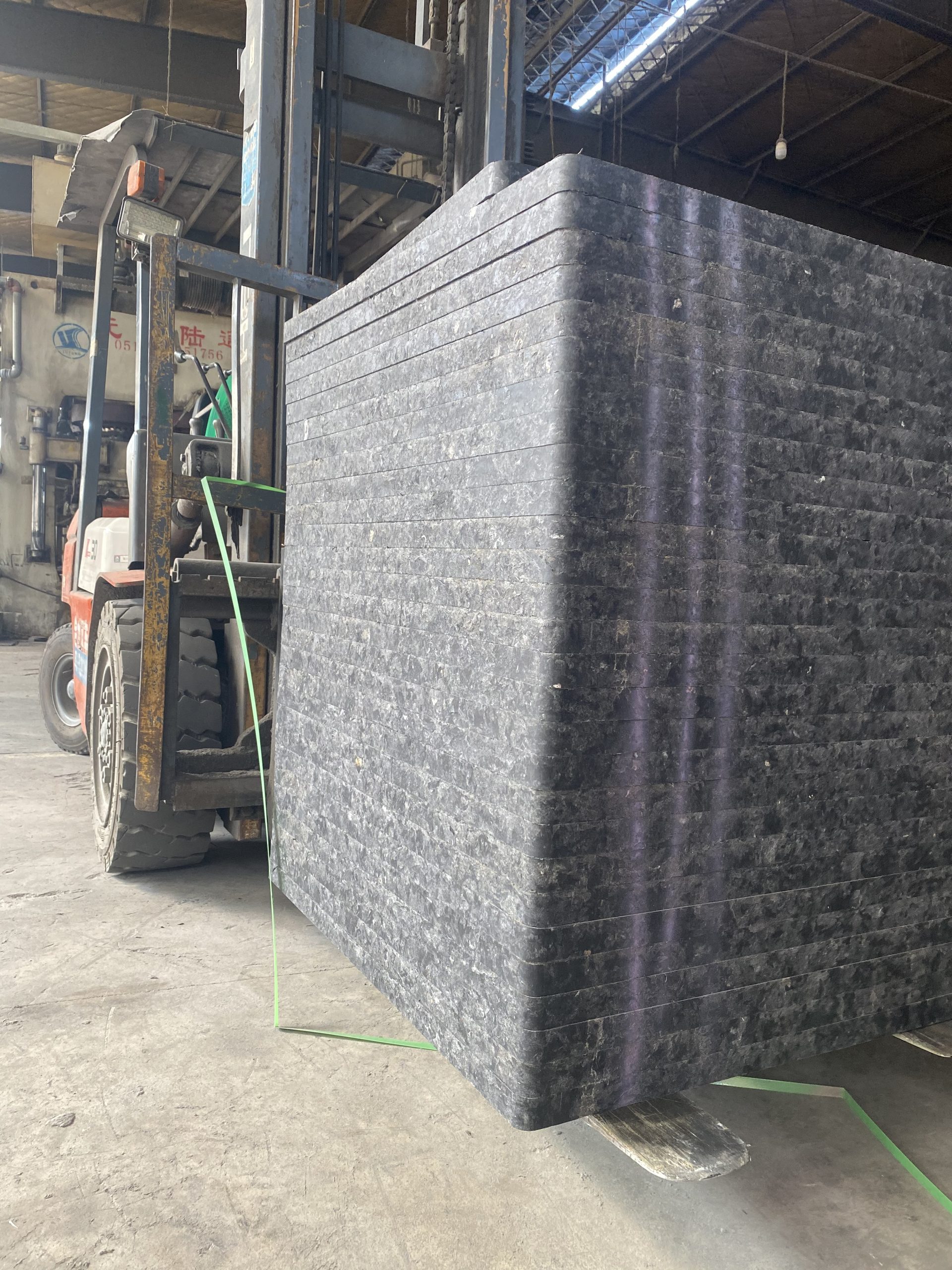
Smart manufacturing technologies are transforming brick production, yet many facilities still manage pallets manually without real-time visibility. Research shows that manufacturers implementing IoT-enabled pallet tracking systems reduce downtime by 18-25% and achieve 30-40% faster turnaround on production analysis. The difference between reactive repairs and data-driven optimization determines whether your facility operates at 75% or 95% capacity.
In today’s article, we will explain how Industry 4.0 technologies enable smart pallet management in brick manufacturing, including IoT sensor integration, predictive maintenance strategies, digital twin applications, and data-driven production optimization. This guide will help you understand how to modernize pallet tracking systems for maximum operational efficiency and reduced lifecycle costs.
What is Industry 4.0 in Brick Manufacturing?
Industry 4.0 integrates cyber-physical systems, IoT connectivity, cloud computing, and AI into manufacturing operations. In brick production, smart manufacturing transforms traditional processes through real-time data collection, automated decision-making, and predictive analytics that optimize production from raw material handling to finished product storage.
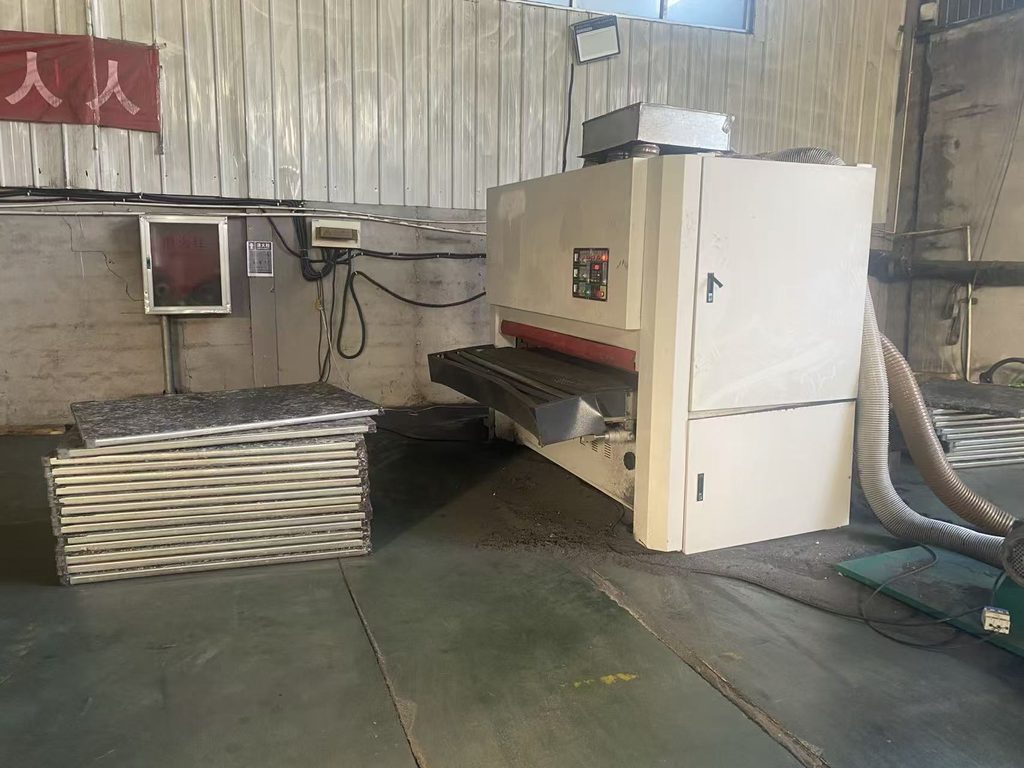
Traditional facilities track pallets manually through logbooks and visual inspections, creating information gaps 4-6 hours behind real-time conditions. Smart systems provide instant visibility into pallet location, condition, usage cycles, and remaining service life, enabling data-driven decisions that predict failures, optimize rotation schedules, and reduce operational costs by 18-25%.
Smart Pallet Management: Definition and Core Components
Smart pallet management systems integrate GMT pallets with digital tracking to monitor, analyze, and optimize pallet operations throughout their 10-12 year lifespan. Core components include RFID tags for identification, IoT sensors for condition monitoring, fixed readers at checkpoints, mobile scanners for inventory, edge computing for local processing, and cloud platforms for centralized analytics.
| Component | Function | Technology | Data Captured |
|---|---|---|---|
| RFID Tags | Unique pallet identification | Passive UHF RFID | ID, manufacturing date, specifications |
| IoT Sensors | Condition monitoring | Temperature, vibration, load | Operating conditions, stress levels |
| Fixed Readers | Checkpoint tracking | UHF RFID gates | Location, timestamp, movement |
| Mobile Readers | Flexible scanning | Handheld RFID | Inventory counts, spot checks |
| Edge Computing | Local processing | Industrial gateways | Real-time alerts, data filtering |
| Cloud Platform | Central management | SaaS dashboard | Analytics, reporting, visualization |
You can implement smart pallet management at three levels: Basic tracking (Level 1) uses RFID tags for location and cycle counting. Intermediate systems (Level 2) add temperature and load sensors to track conditions and predict maintenance. Advanced implementations (Level 3) integrate digital twins that simulate performance, predict failures 30-45 days ahead, and optimize rotation automatically.

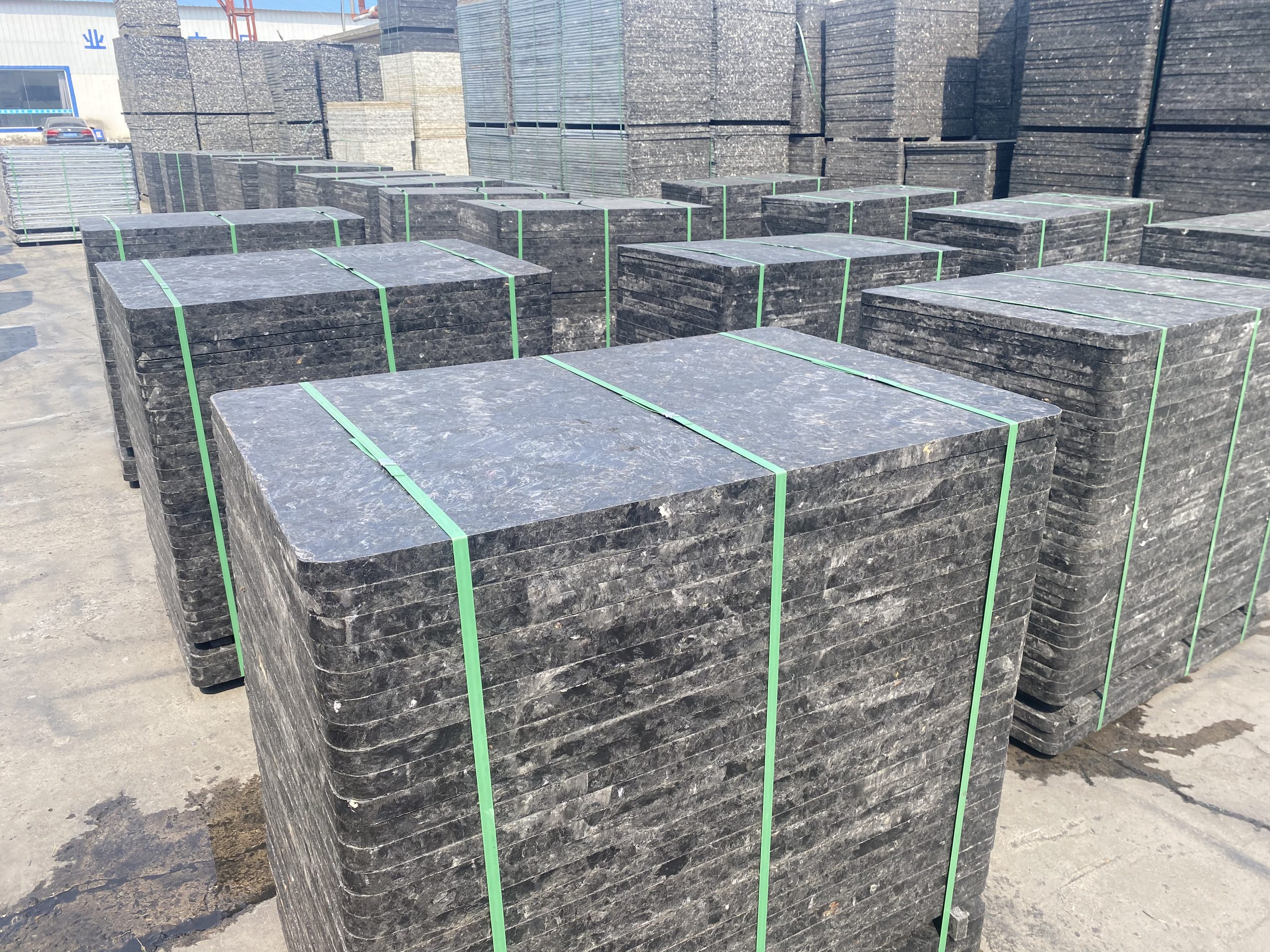
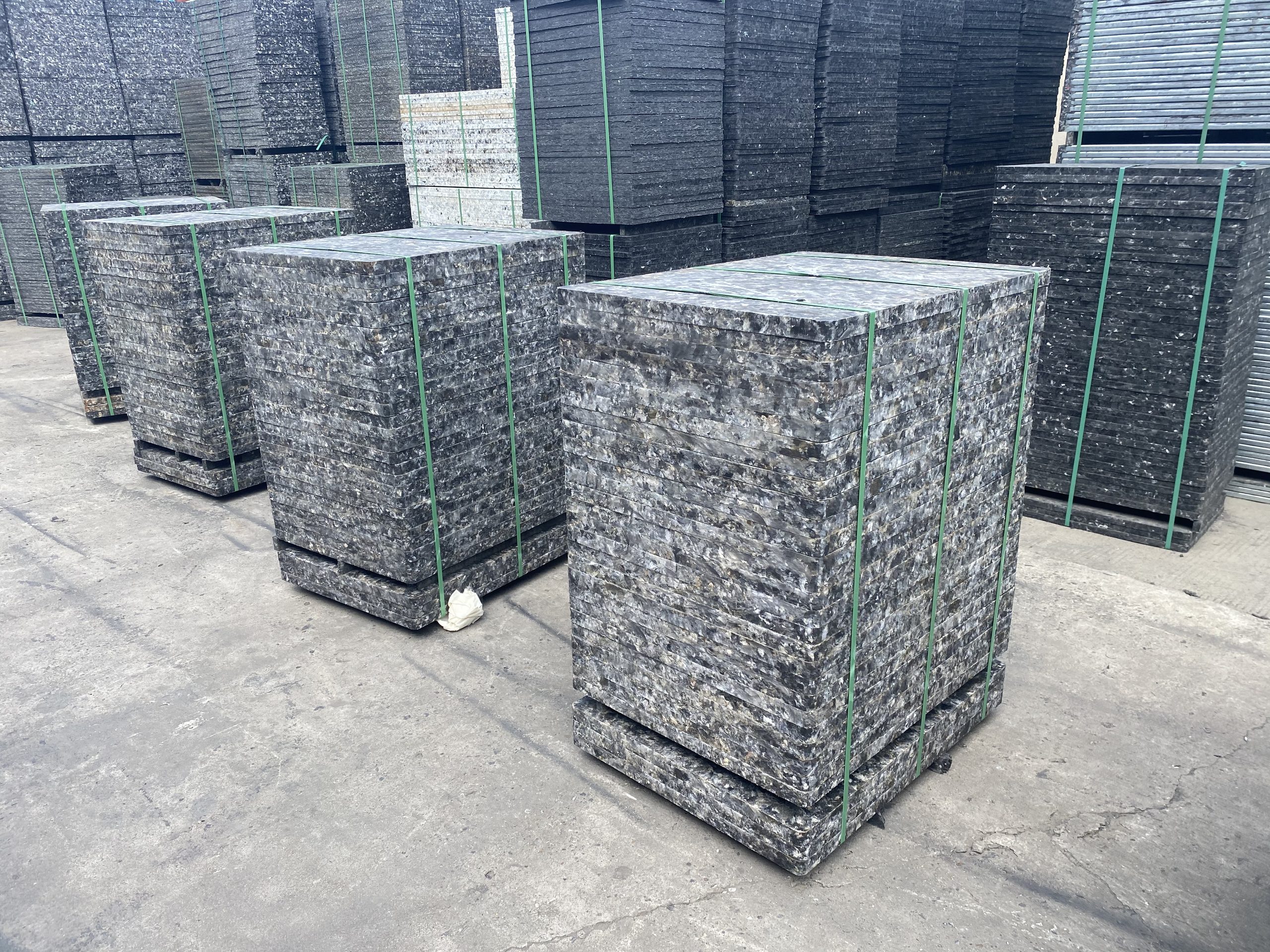
GMT pallets for smart manufacturing include embedded RFID tags, mounting points for IoT sensors, surface treatments compatible with sensor adhesives, and aluminum edge trim that doesn’t interfere with RF signals. Premium White GMT Brick Pallet G-002 accommodates sensor integration without compromising structural integrity.
IoT Sensors for Real-Time Pallet Tracking
IoT sensors transform GMT pallets from passive production tools into active data sources that continuously report condition and performance metrics. Modern sensor systems operate on low-power wireless protocols (LoRaWAN, NB-IoT, BLE) with 3-5 year battery life, industrial-grade durability (IP67 rating), and integration with existing facility WiFi or dedicated IoT networks.
Essential Sensor Types for Pallet Monitoring
Location Tracking: RFID pallet tracking uses UHF RFID tags with 10-12 meter read range. Facilities report 99.8% read accuracy at checkpoints, eliminating manual barcode scanning that averages 95-97% accuracy.
Temperature Monitoring: Embedded sensors track thermal exposure during curing (-10°C to +90°C). Excessive heat (>85°C extended periods) accelerates degradation. Thermal tracking enables predictive replacement before failures.
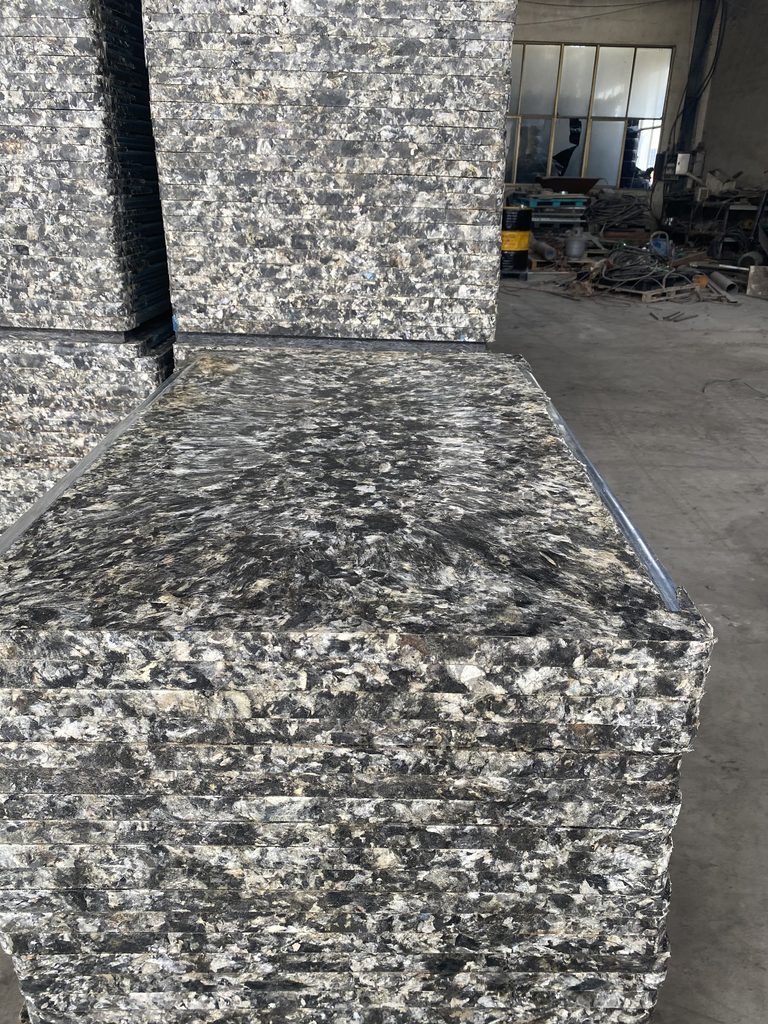
Cycle Counting: Automated counters record every production use. GMT pallets rated for 500,000+ cycles benefit from tracking that triggers maintenance at 100,000-cycle intervals.
Load Monitoring: Strain gauges detect overload conditions (>3,000 kg). Real-time alerts prevent structural damage. Facilities report 40-50% reduction in premature failures.
| Sensor Type | Measurement | Update Frequency | Battery Life | Cost Impact |
|---|---|---|---|---|
| RFID Tag (Passive) | Location, ID | On-demand | No battery | $2-5 per tag |
| Temperature Sensor | Thermal exposure | Every 5-15 min | 3-5 years | $15-25 per unit |
| Accelerometer | Impact, vibration | Continuous | 2-3 years | $20-30 per unit |
| Load Cell | Weight, stress | Real-time | 3-4 years | $45-75 per unit |
| Combined IoT Module | All parameters | Configurable | 3-5 years | $80-120 per unit |
You should select sensor configurations based on operational priorities. High-volume automated facilities (8,000+ bricks/hour) require real-time monitoring with combined IoT modules. Manual operations benefit from basic RFID plus temperature monitoring. Hybrid lines use tiered systems where critical pallets have full sensor suites while buffer inventory uses RFID-only tracking.
Predictive Maintenance for Pallet Fleets
Predictive maintenance uses sensor data and machine learning to forecast pallet failures 30-60 days before they occur, enabling scheduled replacement that eliminates unplanned downtime. Industry 4.0 predictive technologies reduce maintenance costs by 18-25% and extend equipment lifespan by 20-40%.
How Predictive Maintenance Works
IoT sensors capture operational metrics (temperature, cycles, loads, impacts) transmitted to cloud platforms every 5-30 minutes. Machine learning algorithms analyze historical failure patterns to identify degradation signatures. Models trained on 50,000+ pallet lifecycles achieve 85-92% accuracy in predicting failures 30-45 days ahead.
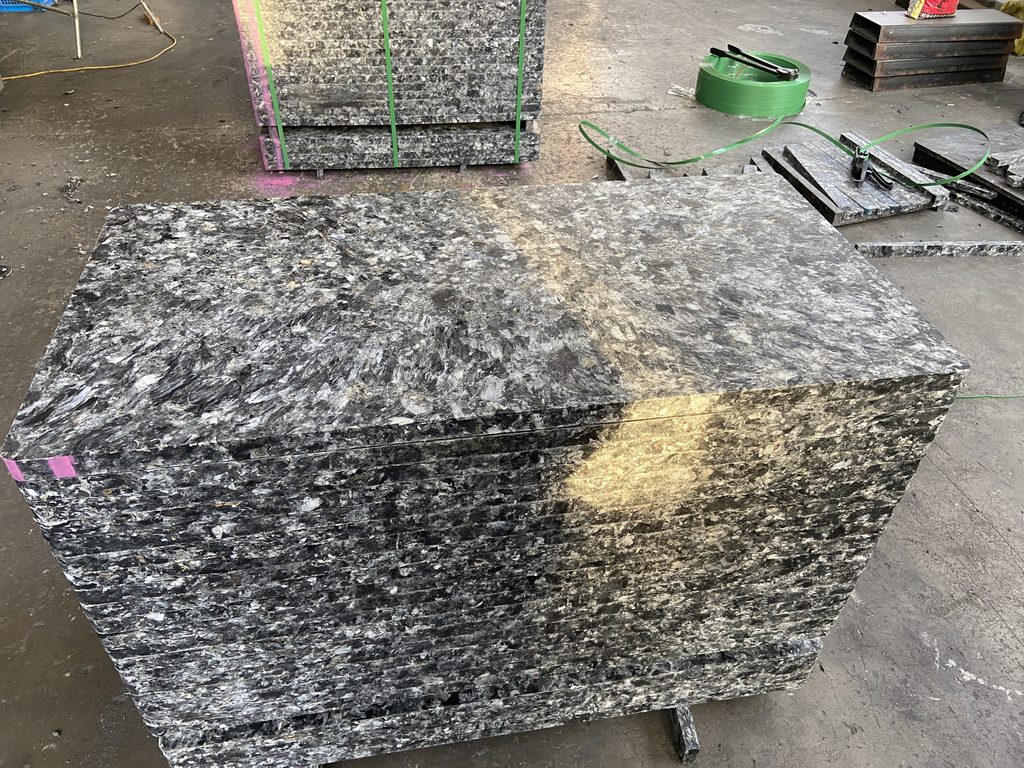
Systems generate maintenance recommendations when failure risk exceeds 25-30%. You receive automated alerts specifying pallet ID, predicted failure type (surface degradation, structural stress, dimensional warping), confidence level, and recommended action. Integration with CMMS creates work orders automatically at maintenance thresholds (100,000 cycles, 24 months service, thermal exposure >500 hours above 80°C).
Traditional reactive maintenance responds after failures occur, averaging 2-4 hours downtime per incident and $1,200-2,500 in lost production. Predictive maintenance reduces inspection labor by 35-45%, eliminates 60-75% of unplanned failures, and extends average lifespan by 18-24 months. Facilities managing 500-800 pallets report annual savings of $25,000-45,000.
Digital Twin Technology for Pallet Operations
Digital twin technology creates virtual replicas of physical pallet fleets that simulate performance, predict degradation, and optimize operations through continuous data synchronization.
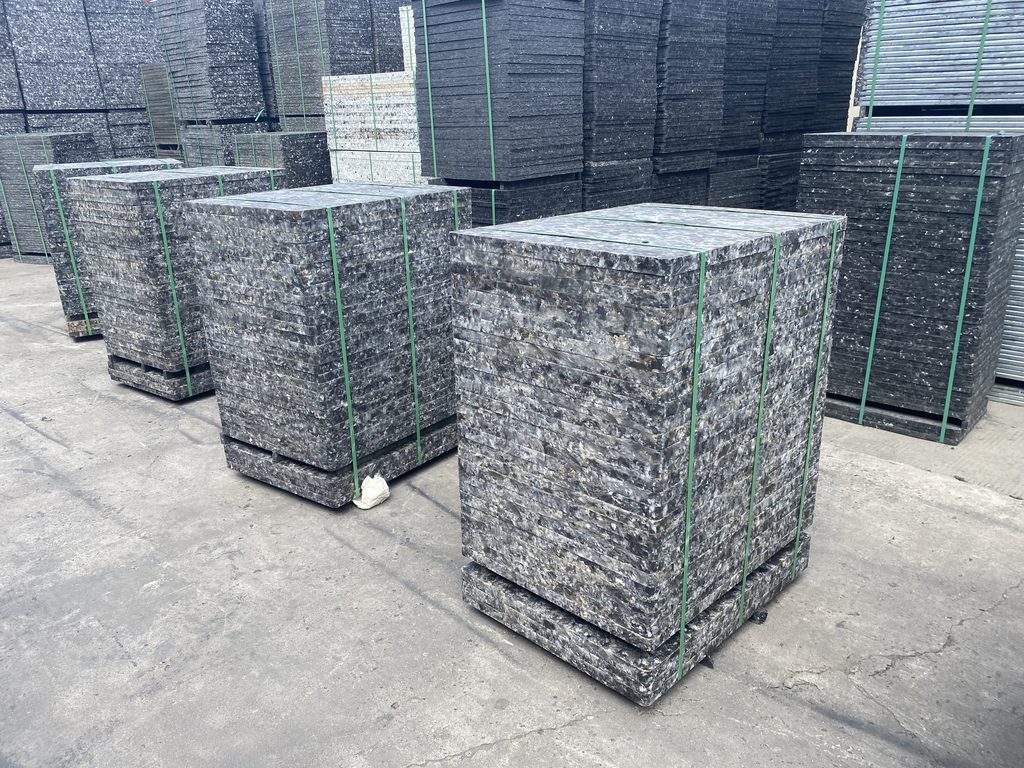
GMT pallets equipped with RFID and IoT sensors generate real-time data (location, temperature, cycles, loads). Cloud platforms maintain virtual representations including specifications, operational history (lifetime cycles, thermal exposure, load events), current status (condition score, remaining service life), and performance predictions (estimated time to next maintenance, failure probability).
Machine learning algorithms process sensor data to update digital twin status continuously. Simulation engines test rotation strategies to maximize fleet utilization—models analyze scenarios like prioritizing oldest pallets versus distributing wear evenly. Optimization algorithms identify strategies that extend average fleet life by 12-18 months while maintaining production throughput.
Digital twins predict failures before physical symptoms appear by monitoring degradation patterns. Systems provide early warnings 30-60 days ahead when patterns match historical failure signatures. Advanced implementations correlate pallet condition with brick quality metrics, identifying aging pallets that produce inferior bricks before visual inspection detects deterioration.
Data Collection and Analytics
Smart pallet systems generate 50-200 data points per pallet daily. Effective data architecture transforms raw sensor feeds into actionable intelligence through structured collection, intelligent processing, and focused analytics.
IoT devices transmit data via industrial WiFi, LoRaWAN, or NB-IoT to edge computing nodes. Edge devices filter routine readings locally (95-98% of data) and forward only anomalies to cloud platforms, reducing network traffic by 70-85%. Structured databases store pallet master data, operational data (location, cycles, sensors), and analytical results (condition scores, predictions).

Real-time dashboards show pallet location heat maps, zone utilization, condition distribution (excellent/good/fair/replace soon), and active alerts. Weekly reports quantify average cycles per pallet, thermal exposure, and utilization by zone. ML models forecast maintenance requirements (30-90 days), replacement needs, and fleet rebalancing recommendations.
Integration Strategies for Existing Production Lines
Implementing smart pallet systems requires phased integration that maintains production continuity while building digital capabilities.
Phase 1: Infrastructure Assessment (Weeks 1-4) — Evaluate network coverage, MES/ERP integration, and CMMS platforms. Pilot test 50-100 pallets to validate technology performance.
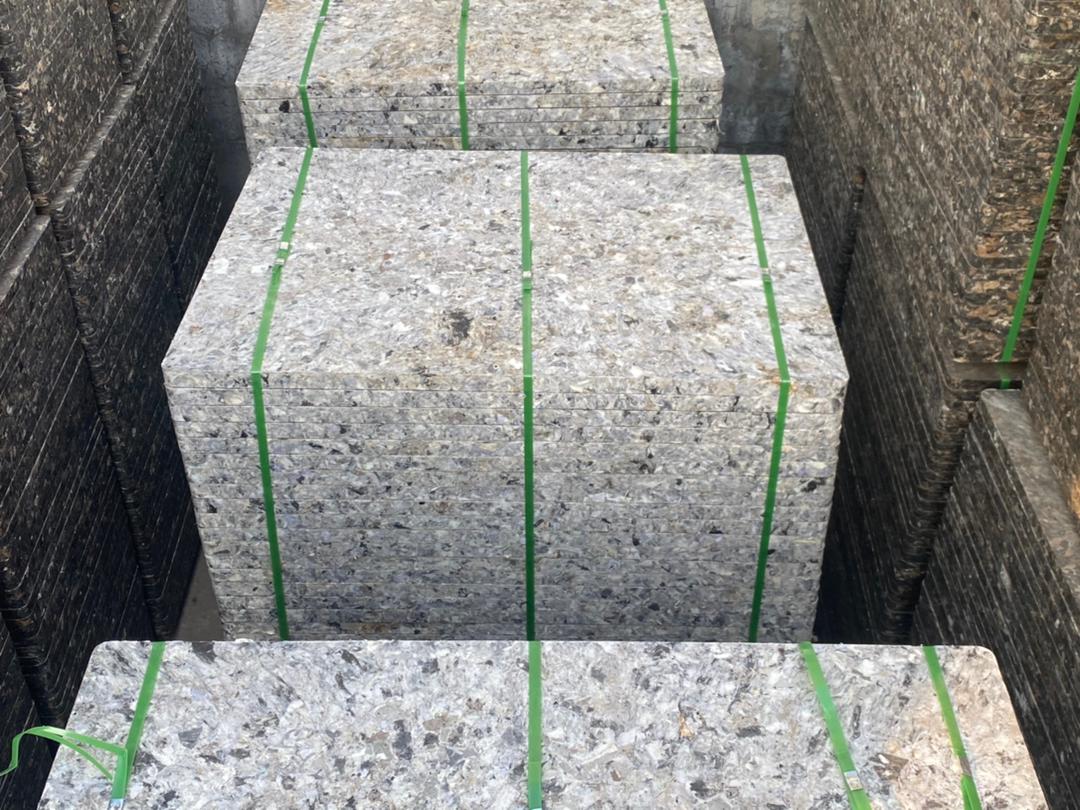
Phase 2: Basic Tracking (Months 2-4) — Deploy RFID tags, install readers at checkpoints, implement cloud platform, train staff. Pure White GMT Pallet G-001 accommodates RFID without affecting surface quality. Facilities report 85-95% reduction in inventory counting labor.
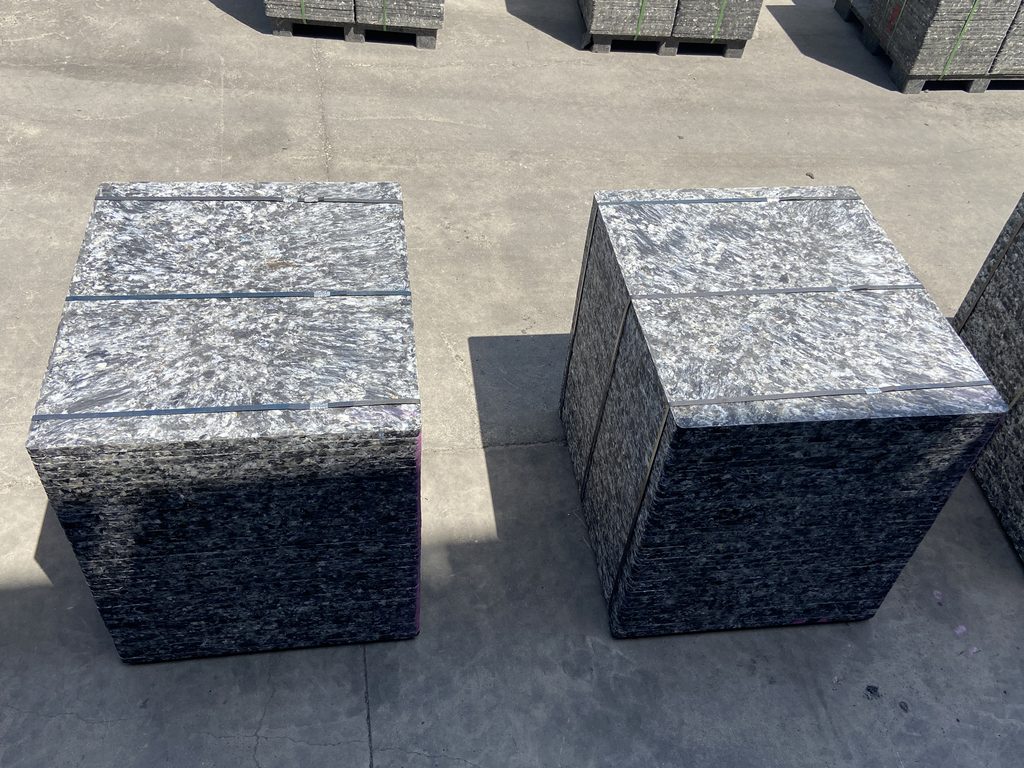
Phase 3: Condition Monitoring (Months 4-8) — Add IoT sensors to high-value pallets, deploy temperature and cycle monitoring. Data collection trains ML models for advanced analytics.
Phase 4: Predictive Analytics (Months 8-12) — Implement ML models, deploy predictive alerts, activate digital twins, integrate with CMMS/ERP. Reduce unplanned downtime by 60-75%.
Training should include hands-on operator training, analytical training for managers, and technical training for maintenance. Facilities investing 40-60 hours per staff member achieve 95%+ adoption.
ROI Analysis for Smart Pallet Systems
Smart pallet management requires upfront investment that delivers returns through reduced downtime, extended lifespan, and optimized fleet sizing.
Implementation Costs
| Cost Category | Per-Pallet | Fixed Infrastructure | Annual Recurring |
|---|---|---|---|
| RFID Tags (Passive) | $3-6 | – | – |
| IoT Sensor Modules | $80-120 | – | – |
| Fixed RFID Readers | – | $8,000-15,000 | – |
| IoT Gateways | – | $2,500-5,000 | – |
| Cloud Platform | – | $5,000-10,000 | $12,000-24,000 |
| Integration & Training | – | $20,000-38,000 | – |
For 500 pallets with basic RFID plus selective IoT monitoring, first-year investment ranges from $48,000-95,000.
Annual Benefits
Reduced Downtime: 60-75% reduction in unplanned pallet-related stoppages worth $35,000-55,000 annually for plants producing 8-12 million bricks/year.
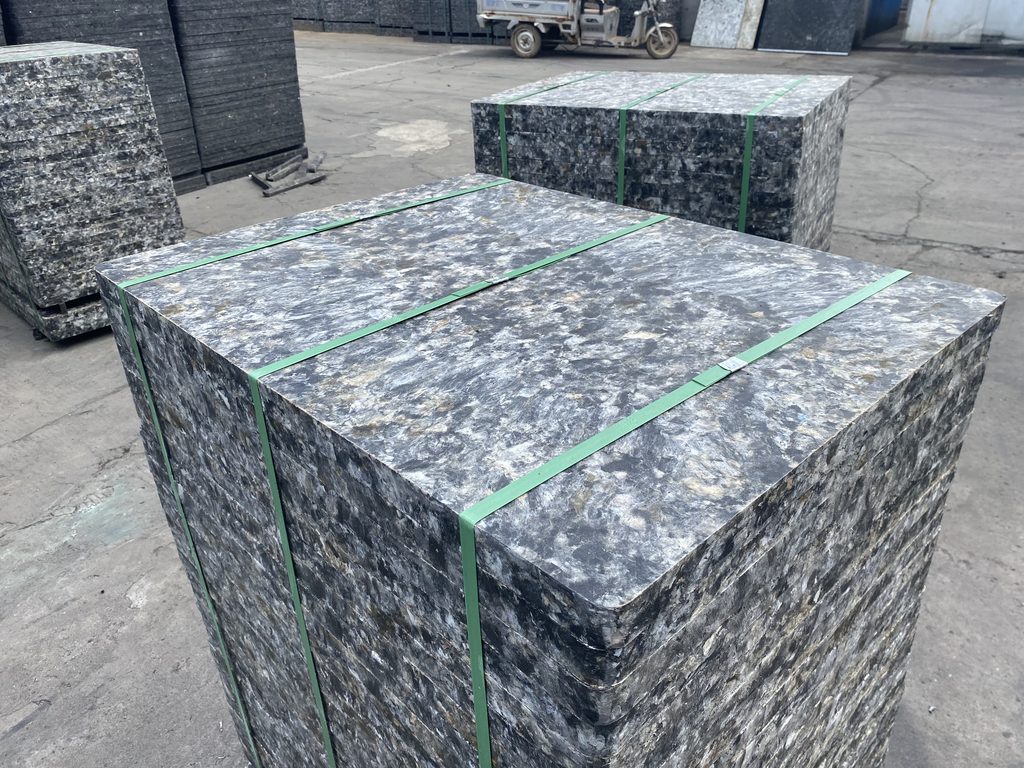
Extended Lifespan: Predictive maintenance increases average lifespan from 9-10 years to 11-13 years, delaying replacement worth $7,500-12,000 annually in net present value.
Labor Efficiency: Automated tracking eliminates 8-12 hours weekly counting, saving $20,000-30,000 annually. Digital work orders save $8,000-12,000 in planning time.
Fleet Optimization: Digital twins identify 10-15% excess capacity, freeing $5,000-9,000 in working capital.
Quality Improvement: 1-2% quality improvement from condition-based replacement worth $15,000-30,000 annually in reduced rework.
Combined benefits total $85,500-148,000 annually, delivering 12-24 month payback and 80-155% first-year ROI.
Implementation Roadmap
Successful deployments follow structured roadmaps that sequence technology implementation and value realization.
Month 1-2: Define objectives (reduce downtime, extend lifespan, optimize inventory) and quantify targets. Select technology partners and design pilot covering 50-100 pallets.
Month 3-4: Install pilot RFID tags, deploy readers, implement cloud platform, train pilot team. Collect baseline data and validate MES/CMMS integration.
Month 5-8: Expand RFID to full fleet, install permanent readers, complete staff training. Achieve 99%+ location accuracy, <5% missed reads, 90%+ user adoption.
Month 9-12: Deploy IoT sensors on high-value pallets, implement predictive algorithms, activate digital twins. Generate ROI report quantifying downtime reduction and cost savings.
Year 2+: Expand sensor coverage, integrate supply chains, implement advanced optimization. Machine learning accuracy improves 5-8% annually with increased training data.
FAQs
What is the minimum facility size for smart pallet systems?
Facilities managing 300+ pallets producing 5+ million bricks annually achieve positive ROI within 18-24 months. Smaller operations benefit from basic RFID tracking only.
Do GMT pallets require modifications for IoT sensors?
GMT pallets accommodate sensors through embedded RFID during manufacturing or retrofit installation using industrial adhesives. High Quality GMT Pallet G-003 features sensor mounting points without compromising structural integrity.
How accurate are predictive maintenance algorithms?
Mature systems trained on 12+ months data achieve 85-92% accuracy predicting failures 30-45 days ahead. Accuracy improves 5-8% annually as models refine predictions.
Can smart systems integrate with existing ERP platforms?
Modern IoT platforms provide standard APIs and pre-built connectors for major ERP systems (SAP, Oracle, Microsoft Dynamics). Integration requires 40-80 hours configuration.
What network infrastructure is required?
Basic RFID needs WiFi at checkpoints only. Advanced IoT uses LoRaWAN gateways (2-4 units) or facility WiFi. Cellular backup ensures continuous operation if primary network fails.
What maintenance do IoT sensors require?
Battery-powered sensors operate 3-5 years without maintenance. Battery replacement occurs during regular pallet inspections. Passive RFID tags require no battery and function 10-12 years.
Conclusion
Industry 4.0 smart pallet management transforms brick manufacturing through real-time visibility, predictive maintenance, and data-driven optimization. IoT sensors, RFID tracking, and digital twin technology enable facilities to monitor pallet condition continuously, predict failures 30-60 days ahead, and optimize fleet utilization.
Implementation delivers ROI within 18-24 months through 60-75% reduction in unplanned downtime, 18-24 month lifespan extension, and 10-15% fleet optimization. Combined benefits of $85,500-148,000 annually justify initial investments of $48,000-95,000 for 500-pallet facilities.
Successful deployment follows phased roadmaps beginning with basic RFID tracking, expanding to condition monitoring, and maturing into predictive analytics. Facilities investing in staff training achieve 95%+ user adoption and realize full system value within first year.
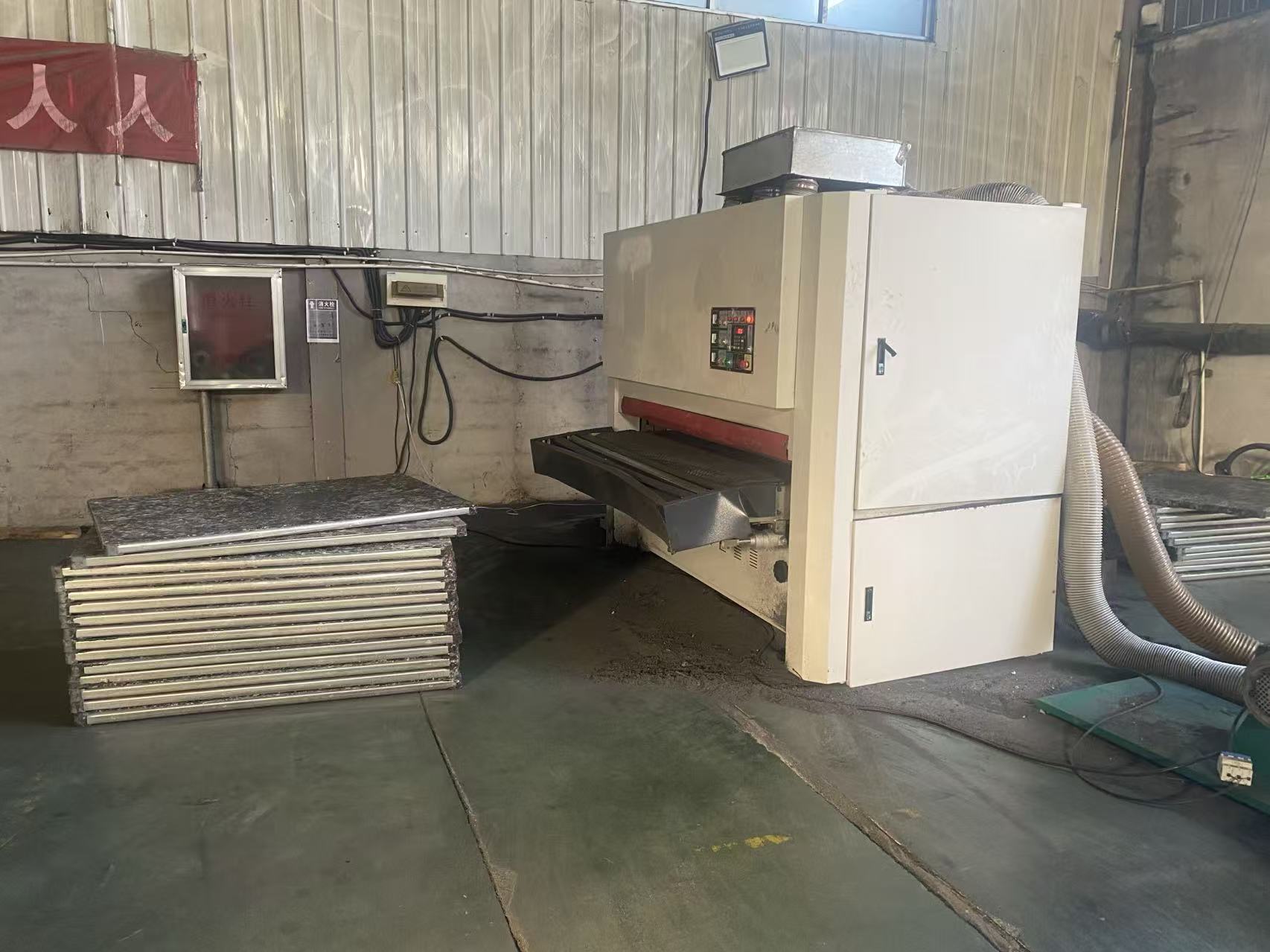
If you need GMT pallets engineered for Industry 4.0 integration, Rhinos Pallet manufactures fiber-reinforced composite pallets with embedded RFID compatibility and IoT sensor mounting. Our precision manufacturing maintains ±1mm dimensional tolerance through 10+ year service life.
Contact us today for smart pallet specifications and Industry 4.0 implementation support.